A docuseries by Pieter Numan, presenting local independent sonic scavengers
As our consumption becomes more calculatedly curated, a warm underbelly lies rampant and fertile. Where niche substrains sprout, develop, and blossom underground, roots form without restraint, away from the beaming light of our pocket computer companions. UNDERCURRENT arises, presenting a docuseries of our local independent sonic scavengers, whose daring persistence in their musical craft refuses to bend.
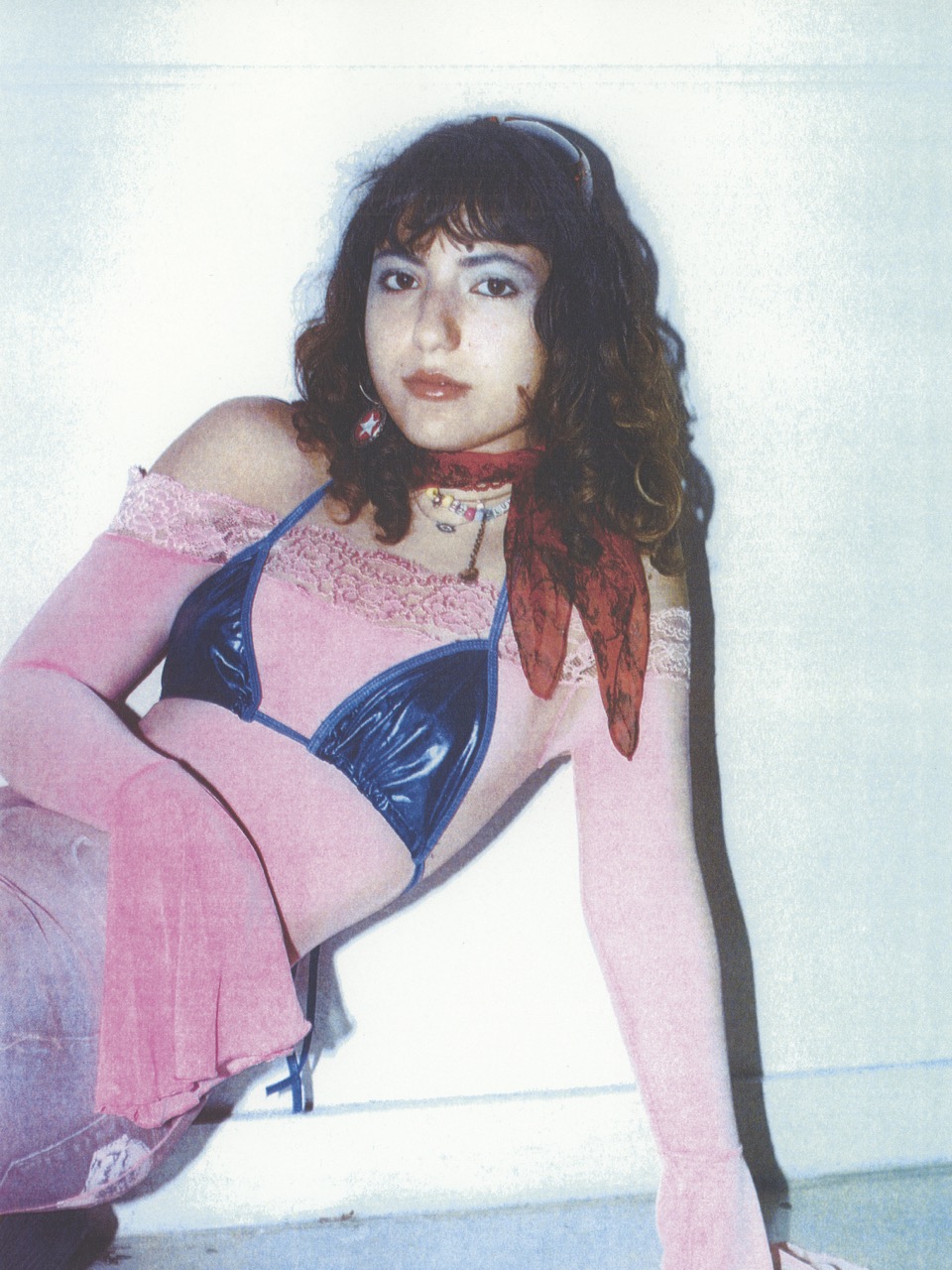
Powered by love, revolt, revenge, disgust, and peace, Burchhha’s music lives in an absurdist realm of her own, eclectic soundscapes reverberate against each other – fizzling collisions in and out. Experimenting with noise, image, and performance, Burchhha is a multidisciplinary artist; her vision manifests in multiple forms, from CD mixing to live performances. First finding her roots in the underground noise music scene, Burchhhha turned initial stage fright into power, rivalling in the unexpected, erupting to shake the audience awake. As Burchhhha explained, “You feel like you’re gonna die on stage, right? You have to do something. People are watching you.”. An admitted adrenaline junkie, her shows aren’t an easy ride, but then again, they aren’t designed to be — as she finds beauty and ecstasy in the moments of unease and disturbance. By embracing “loud music that’s surprising and strange”, Burchhhha “viscerally pushes” her audience, asking them to submit to disorder in a society that prioritises comfort. Burchhhha knows her music isn’t necessarily crafted for the mainstream, but she won’t let that stop her as she “dreams of a Las Vegas residency”. Till then, you can find Burchhhha disrupting dead crowds, maybe in a wolf mask, maybe as a part of her band Supermarkt, maybe making a room break out into dance, maybe scaring an audience for life — wherever wings take her next.
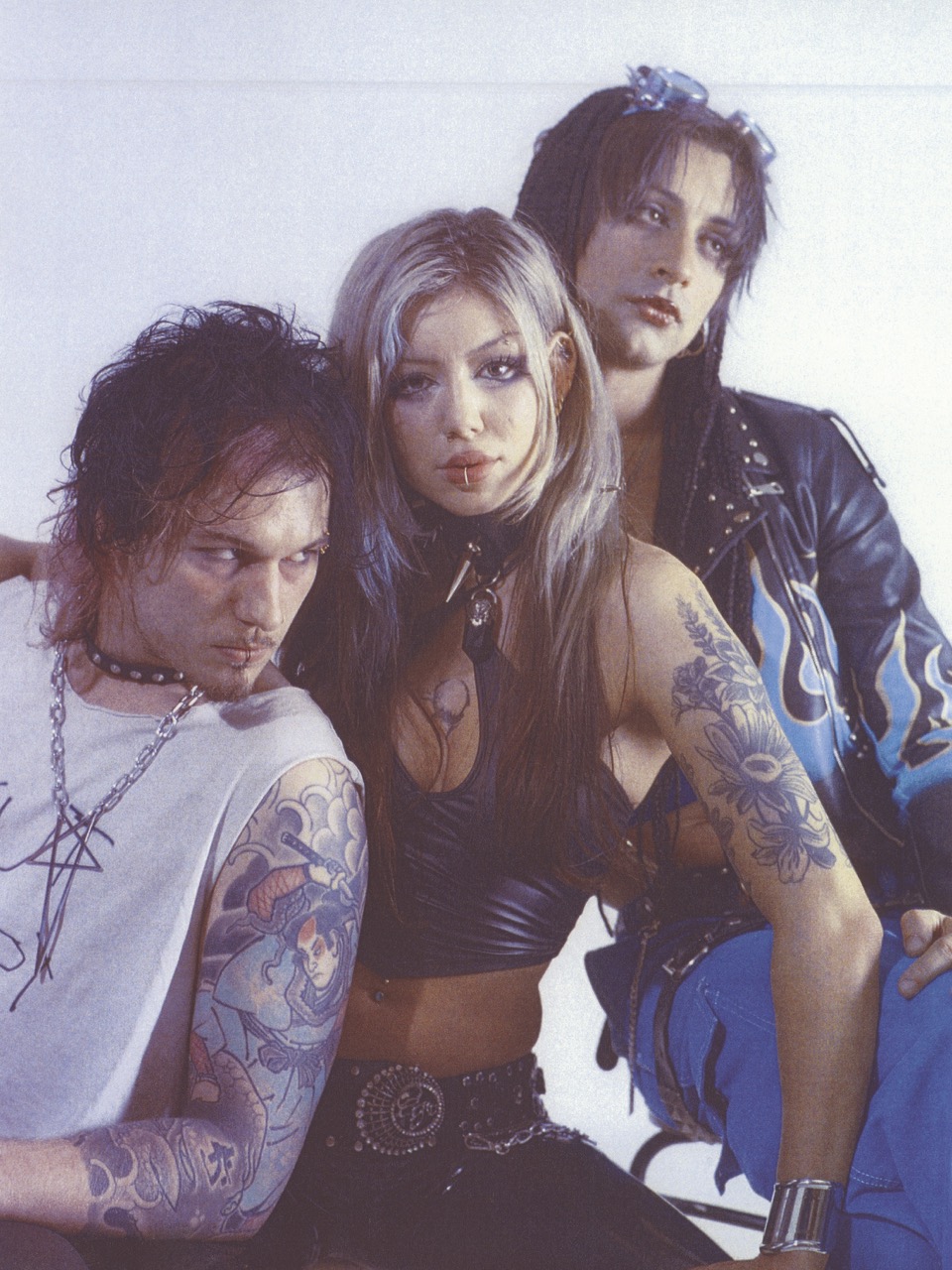

Glittering goth glam takes form in IDLEYES. Meeting somewhere in the middle of 80s glam rock and 00s gyaru, in an age where bands tend to be visually understated and nonchalant, IDLEYES teach us it’s cool to put on a show. The self-proclaimed “platonic throuple” is composed of H!D (guitar & vocals), LAMIAN.NN (vocalist) and ARTEMIS (bassist). Formed over a shared love of niche Japanese metal bands, IDLEYES came together to fill a gap in the scene they all felt was missing. As LAMIAN.NN expressed, “We were all kind of getting annoyed by the fact that every artist was either wearing a black T-shirt or a button-up…Because if I go to a show, I also wanna enjoy a show. I wanna see something. I’m not just listening to you.”. Crafting music and a visual identity under this approach, IDLEYES graces stages decked in melodrama, power chords and dynamic vocals. Visually strong and glitzy, IDLEYES is a far cry from their indie boy post-punk contemporaries. Of course, signing to a label would take some pressure off their backs, but ultimately, IDLEYES was founded on friendship, and they wish to continue as such.
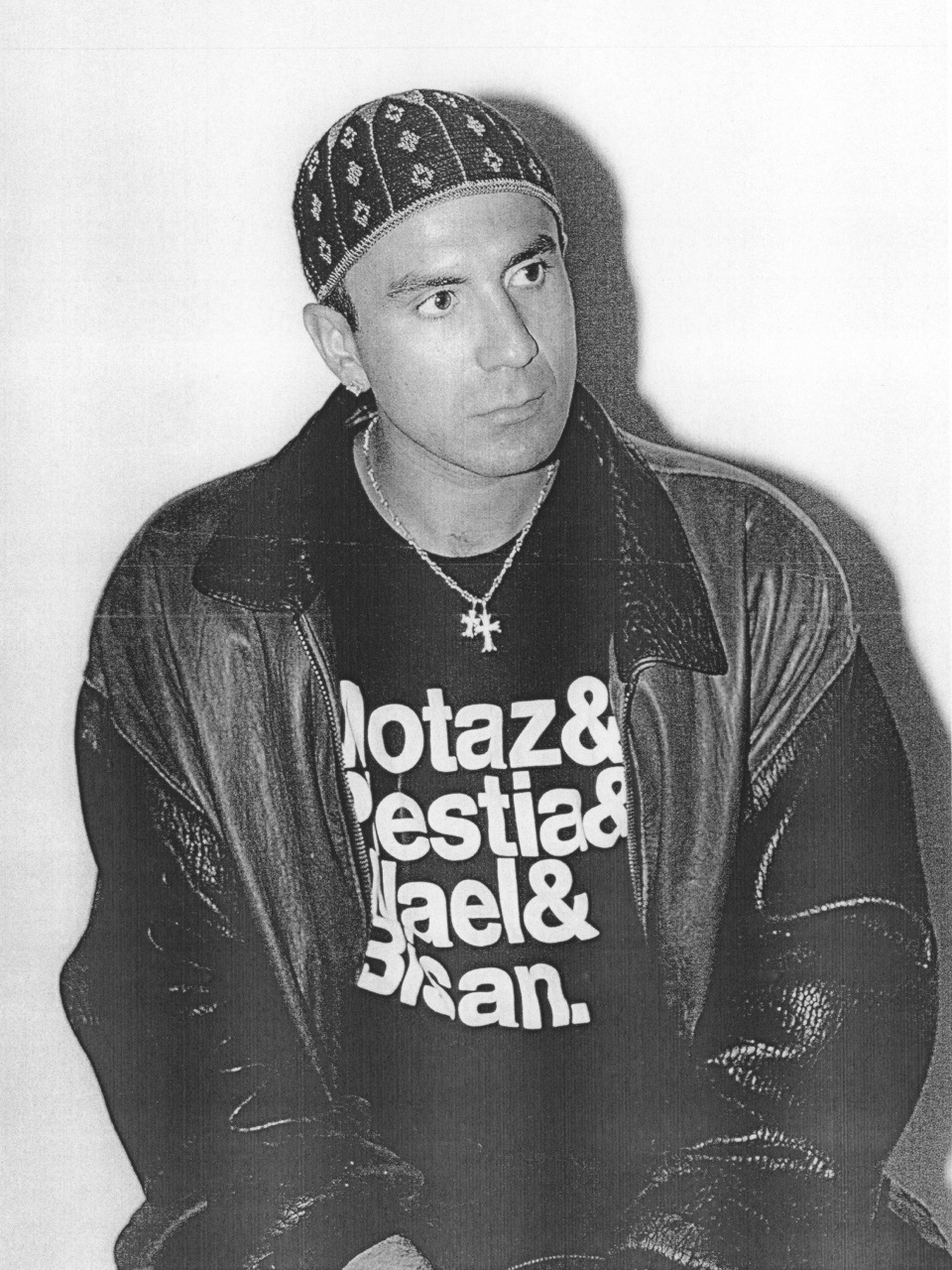
Broken beats meet beach babes, disintegratingly processed roars find themselves in desolate concrete mazes. Never sticking to one niche, Kourosh weaves together strains of pop, hip-hop, post-punk, and club, holding it together with his D.I.Y yet polished visual universe. The Iranian/Dutch musician entered music because nothing else spoke to him the way music does. Sonically fleshing out his emotions since the age of 12 via guitar, Kourosh feels an innate pull to music, expressing that “… even though [he] tried to run away from music, [he] never could.”. Despite being deeply committed to his craft, Kourosh often feels tension between “wanting to have a stable life” and navigating the music industry. Kourosh recognises that he has to “play around with mainstream shit sometimes” to make it, expressing, “I’m not one of those artists who really want to live a financially unstable, scruffy life and just focus on my craft, nobody does. My family and I have lived in real poverty, and I’m not going back there. I want to make music which is tasteful, but is also approachable by the bigger audiences.” Kourosh manifests this vision by making high-end music videos, think background dancers, set design, costumes — the whole nine yards, “all made with friends and super cheaply.” In the end, it will always be Kourosh pulling the strings, continuing to “bring quality while doing it himself”.
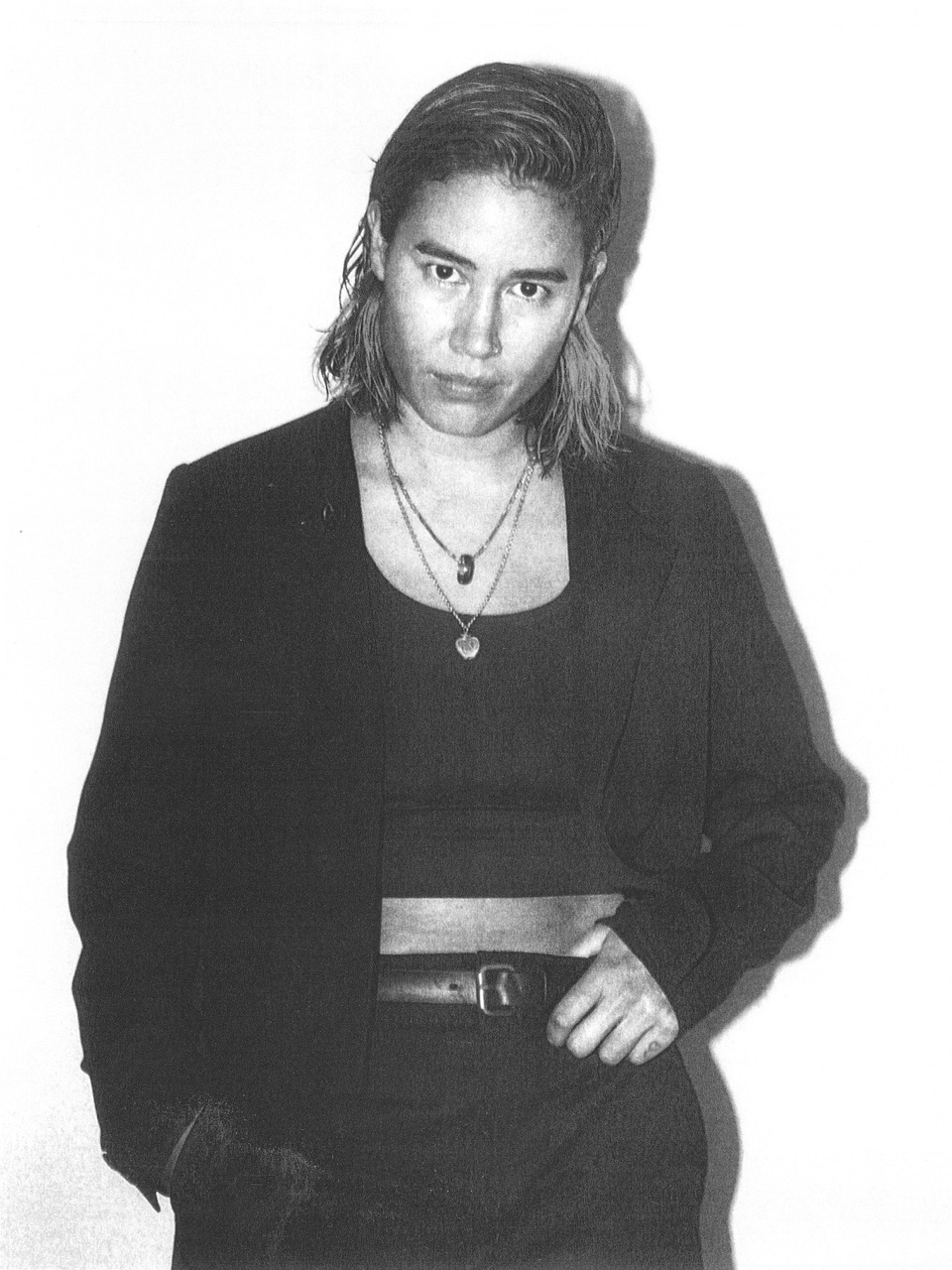
With the goal of “Making house music goth”, Amsterdam-based producer, artist, and DJ, Mayo pushes the boundaries of club music. Bauhausy vocals float hauntingly between buzzing synths, stylised in delicately macabre fashion. Entering music at 20 after stepping back from her professional snowboarding career, Mayo feels music was the only other way she could express herself, proclaiming “I don’t know what else I would do with my life, with myself, if I couldn’t express myself through music.¨. Not quite love songs, not quite hate songs, Mayo’s style is sustained with diversity, mixing and matching sonic worlds to create her own. By “pushing [her] own sounds into a space that doesn’t fit on paper”, Mayo’s music encourages the listener to stay curious and let go of expectations, placing those special ephemeral moments at the centre of her practice. When chatting about the underground scene, Mayo feels resistance to using the label “underground”, stating, “I don’t want that label. And all commercial artists want that label. That’s the struggle there. But it’s what happens when you put people in a box.” Underground or not, Mayo will continue to carve out space for herself, as boxes never suited her anyway.
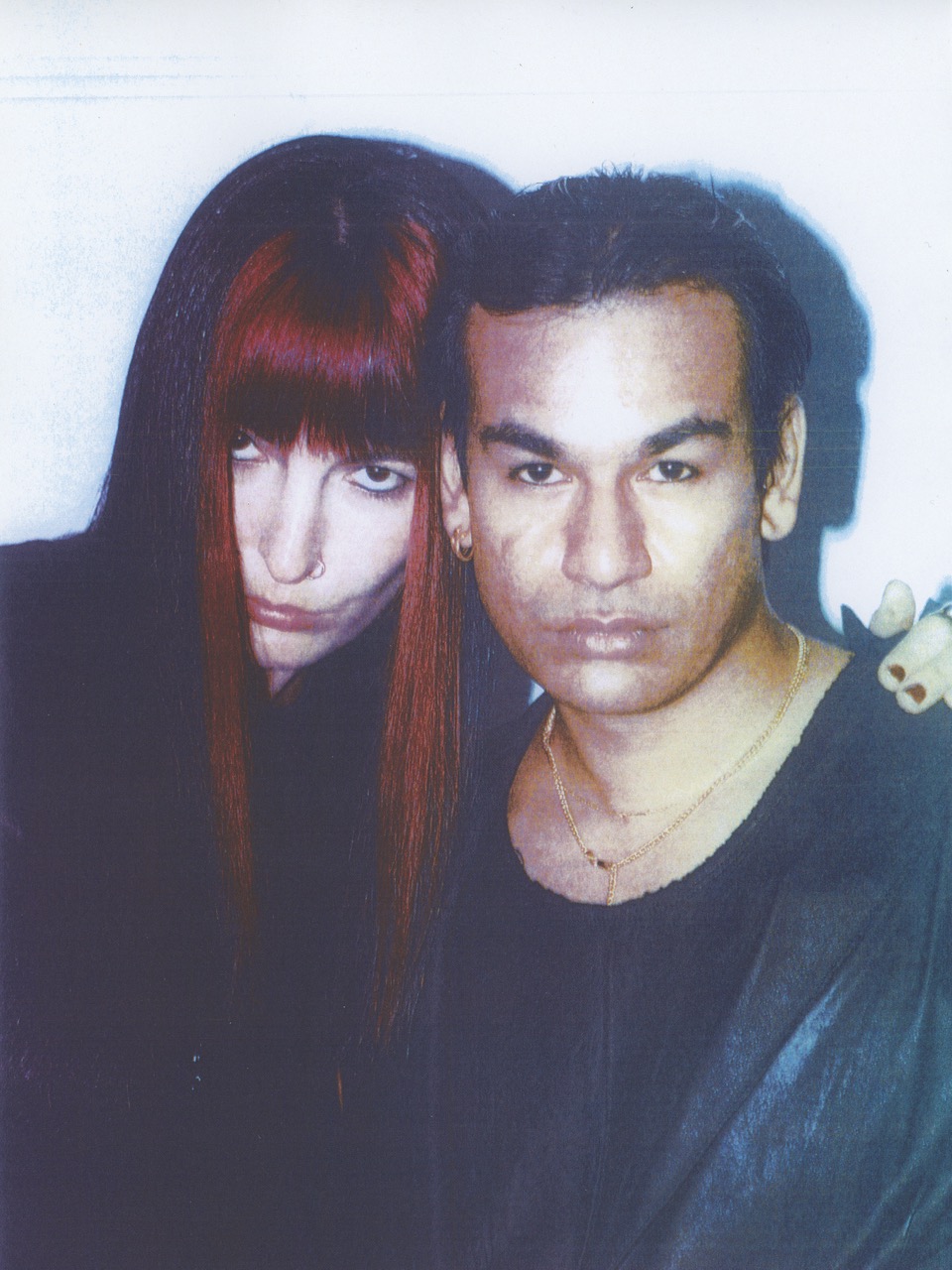
One part instinct, two parts music, three parts power…a Primal Baby is born. Finding their community in the early days on Myspace and Soundcloud, Primal Baby is the lovechild of artists and couple Mila V and Parrish Smith, developing “organically out of love and working together”. As a call to action, Primal Baby is inspired by the repossession of power, looking inwards at the innate and imminent feelings “we all sometimes detach from”. Never looking to narrow themselves down, the sound of Primal Baby meets at the intersection of EBM (Electronic Body Music), industrial electronic, and post-punk. Attracted to the darker and experimental sides of music, Mila and Parrish both had to discover the balance between trying out new sounds while staying true to their darker alternative style. When experimenting with more mainstream and pop-adjacent sounds, Mila says, “I find myself again in what I had lost in being a creative over the years… I felt like it wasn’t actually me.” Reflecting on Parrish’s position as a person of colour in the music industry, Parrish expressed, “Till this day, as a coloured person in the industry, I’m still finding that I still have to prove myself, which I shouldn’t have to.”. Ultimately, the two hope that their music will teach others to discover “by making mistakes and adjusting” in hopes of creating in “a more authentic way”.
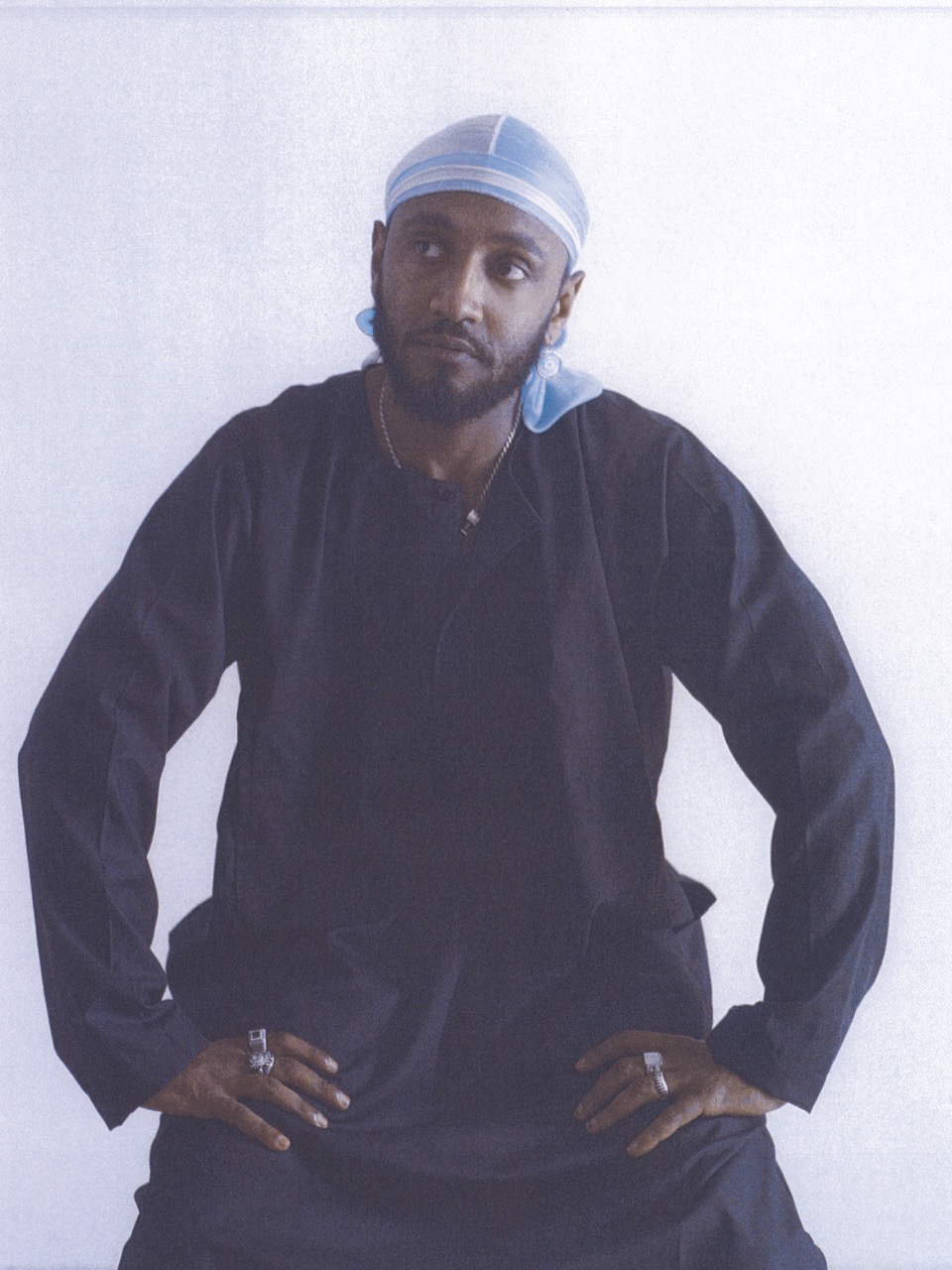
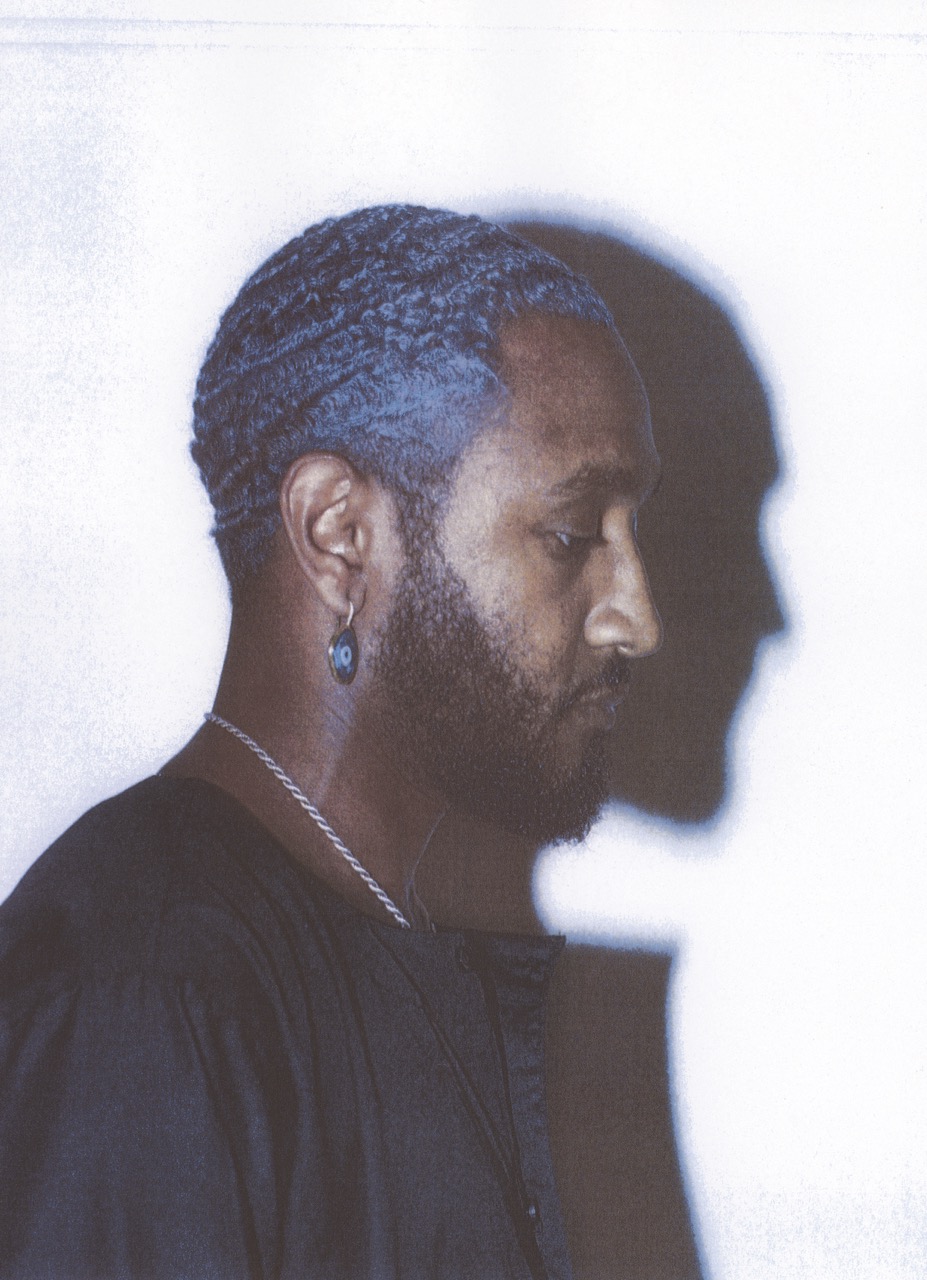
Razeen recalls the producer All1ne’s illuminating reaction to hearing his Uncle, Taha Suliman’s Sudanese music, “he just froze the laptop, paused it, looked at me. And he was like, this is where our strength lies. If you combine this with what inspired you here, that’s your authentic self”. Ever since, Razeen has navigated the road to reclaiming his Afro-Arabic identity through song. Sudan-born, Netherlands-bred artist, dancer, art teacher, and musician Razeen has been floating between beats of trip-hop, R&B, and neo-soul but is moving towards a more dance-centred sound, with his upcoming first Arabic album: “YALLAH NARGUS” (let’s dance), produced by Kevin van Bele. Innately poetic and emotive, Razeen’s prose tactfully rides pulsating drums and string instrumentation all the way downstream. Beginning his career in Dutch rap music as Creeper Mane, one illuminating studio session led Razeen to bring his roots to the forefront. Exploring themes of queer identity, religion, and diasporic heritage, Razeen aims to share an alternative perspective on Afro-Arabic culture, one that is varied, dual, and underrepresented in mainstream media. As a storyteller, Razeen navigates his sonic waters through tales, placing the good and evil not as opposites but as a connected pair. Razeen hopes that his music and message will travel beyond himself and his community. But, if it were up to him, Razeen would “change mainstream music to something more authentic”. Because to him, it’s what is authentic and close to the heart that holds the most power.
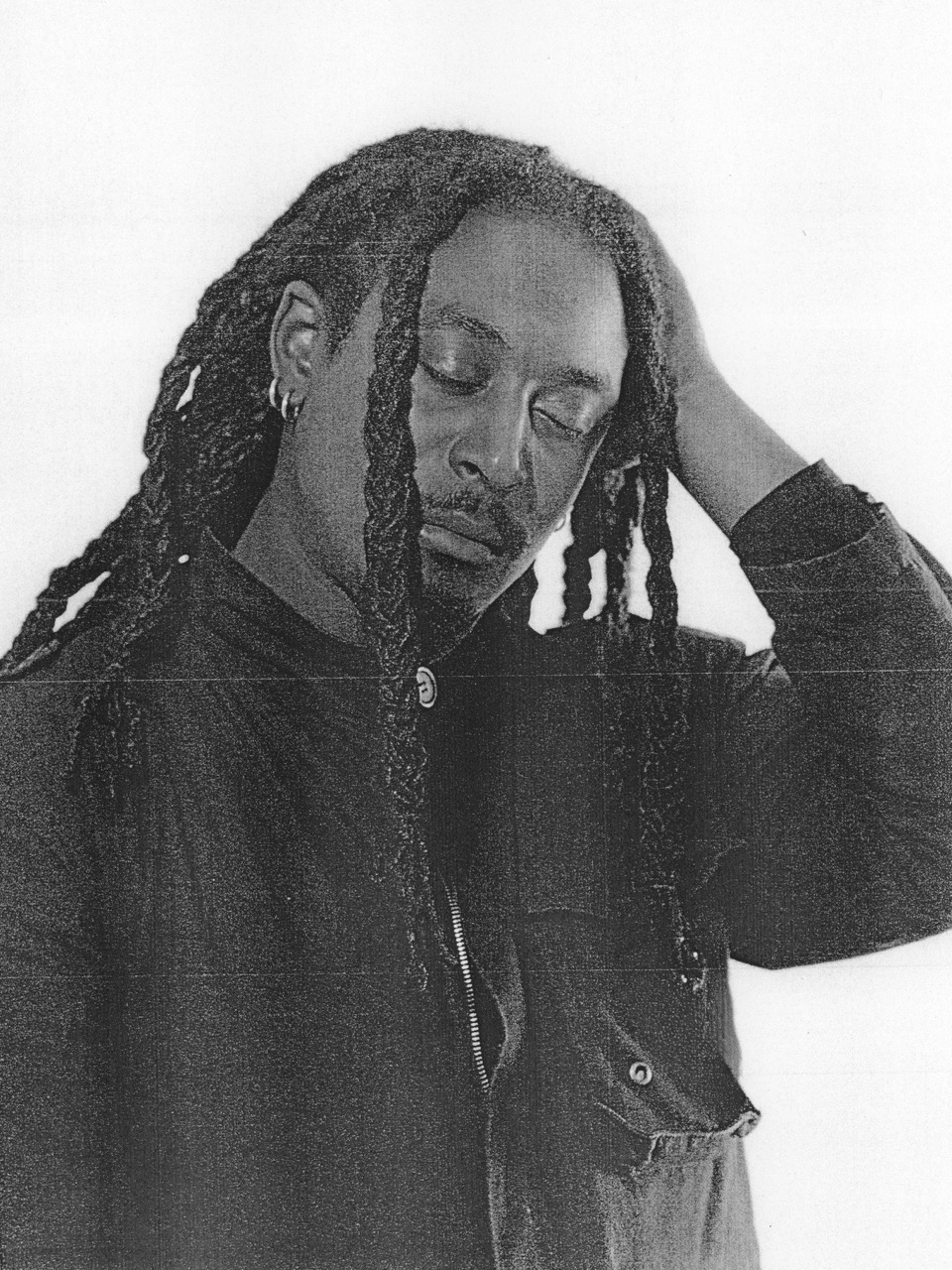
Bring your fucking earbuds. With verses that emerge like excorsistic chants, VALDO’s vulnerability is revealed through aggression, leaning into more hardcore, loud, and abrasive sounds to work through his personal traumas. VALDO explains, “That’s why my shit is so fucking loud now.” Self-admitted and unmistakably so, VALDO’s music is loud, sirens whirr behind bitcrushed beats, and VALDO’s coarse vocals take centre stage. Not quite rap, not quite skramz. VALDO began to explore sound after finding himself crashing in his friends’ creative studio. Navigating from illustration, sewing, and production, VALDO landed on music, learning through the process that staying true to himself is what matters most: “Don’t make something just because your buddies think it’s hard, but make what you’ve experienced, who you are, everything.” VALDO recognises he could reach bigger audiences if he experimented with other styles like house or pop, but that just isn’t him. Refusing “to grow out of [his] own style”, you won’t find VALDO “screaming on some random instrumental track.” Looking beyond plug and play, VALDO is continuing to expand his style, currently working together with composer and sound designer Kris McDonald to develop more live electronic aspects to his shows. Keeping his style the same, “just adding a little bit of steroids into it…an extra boost”.
Photography by PIETER NUMAN
Words by GABRIELLA MESHAKO