“Sometimes I’m deeply inspired by what’s right in front of me, and sometimes by imagination. But at the end of the day, I feel like it’s almost the same thing”

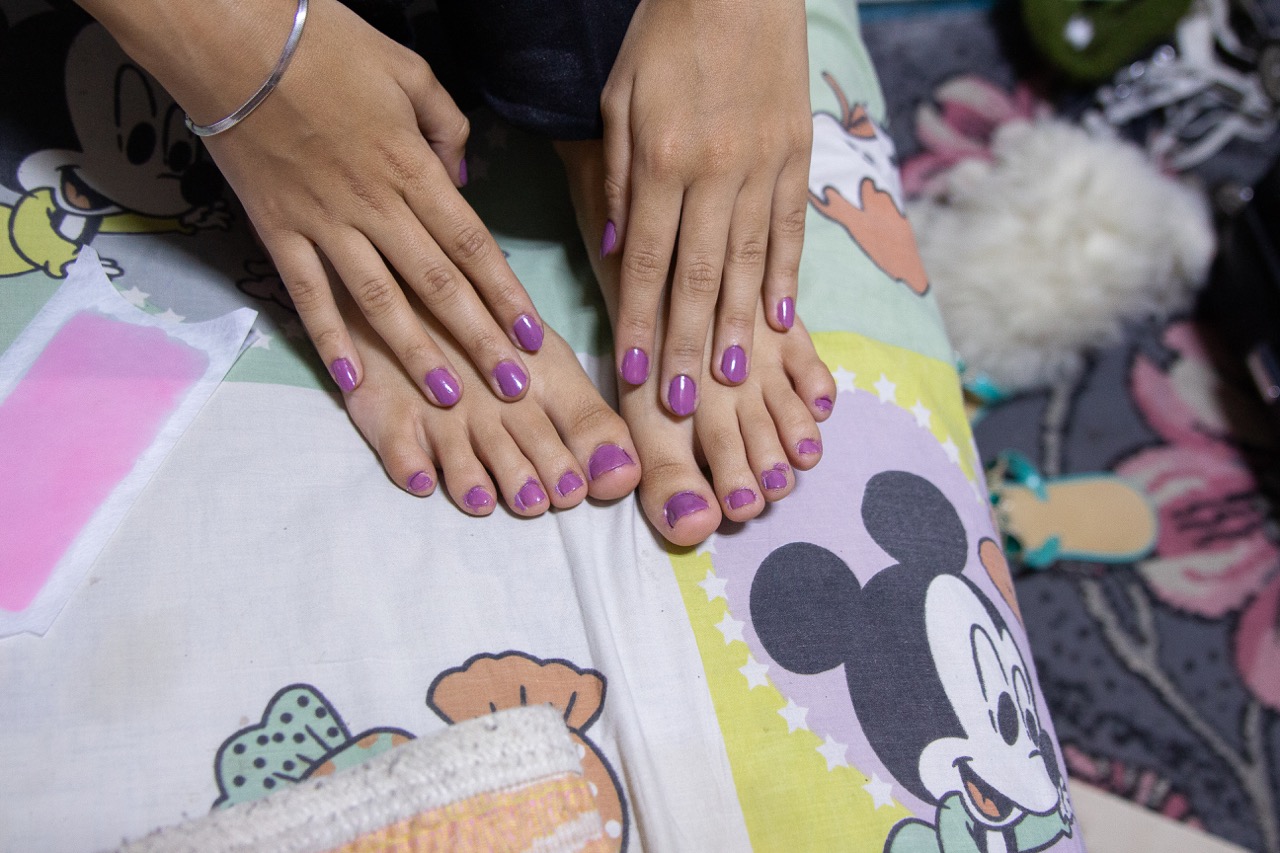
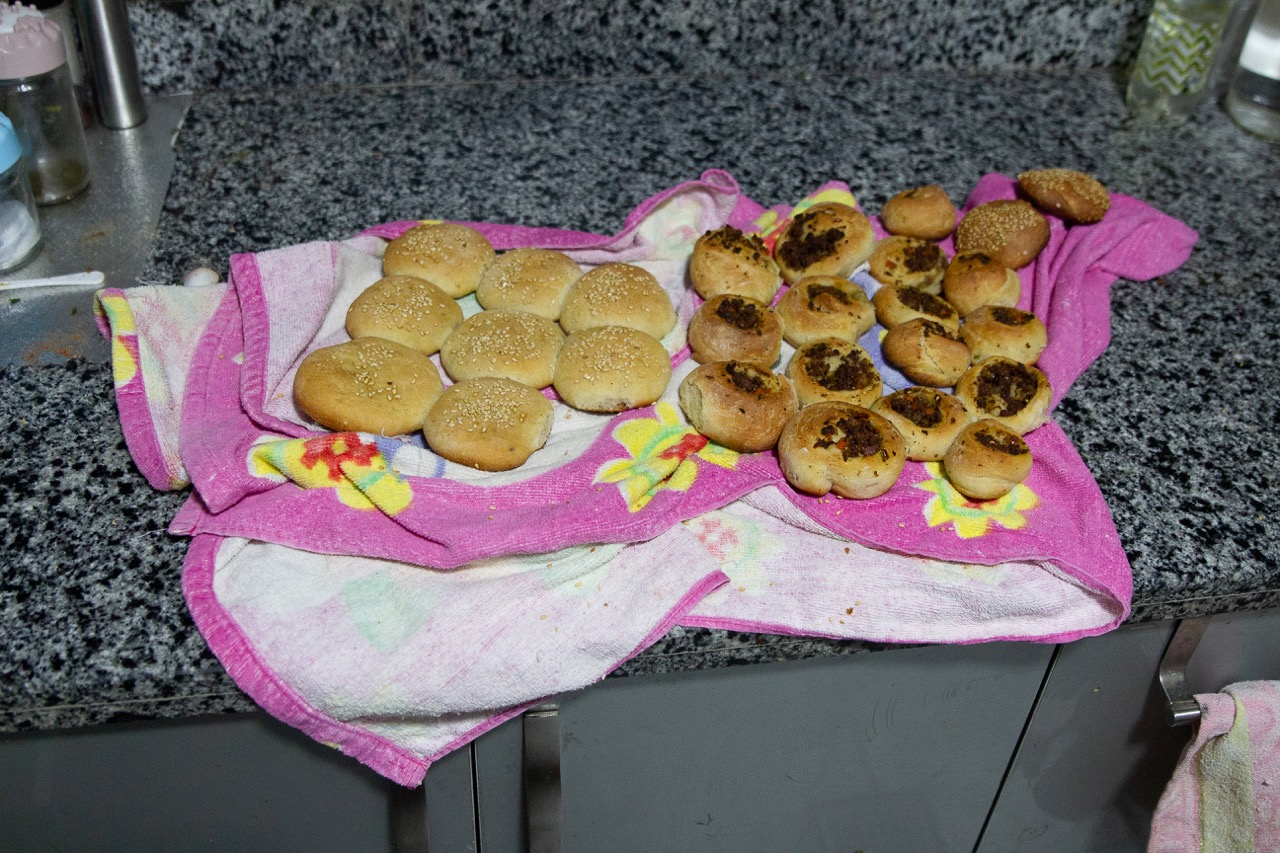
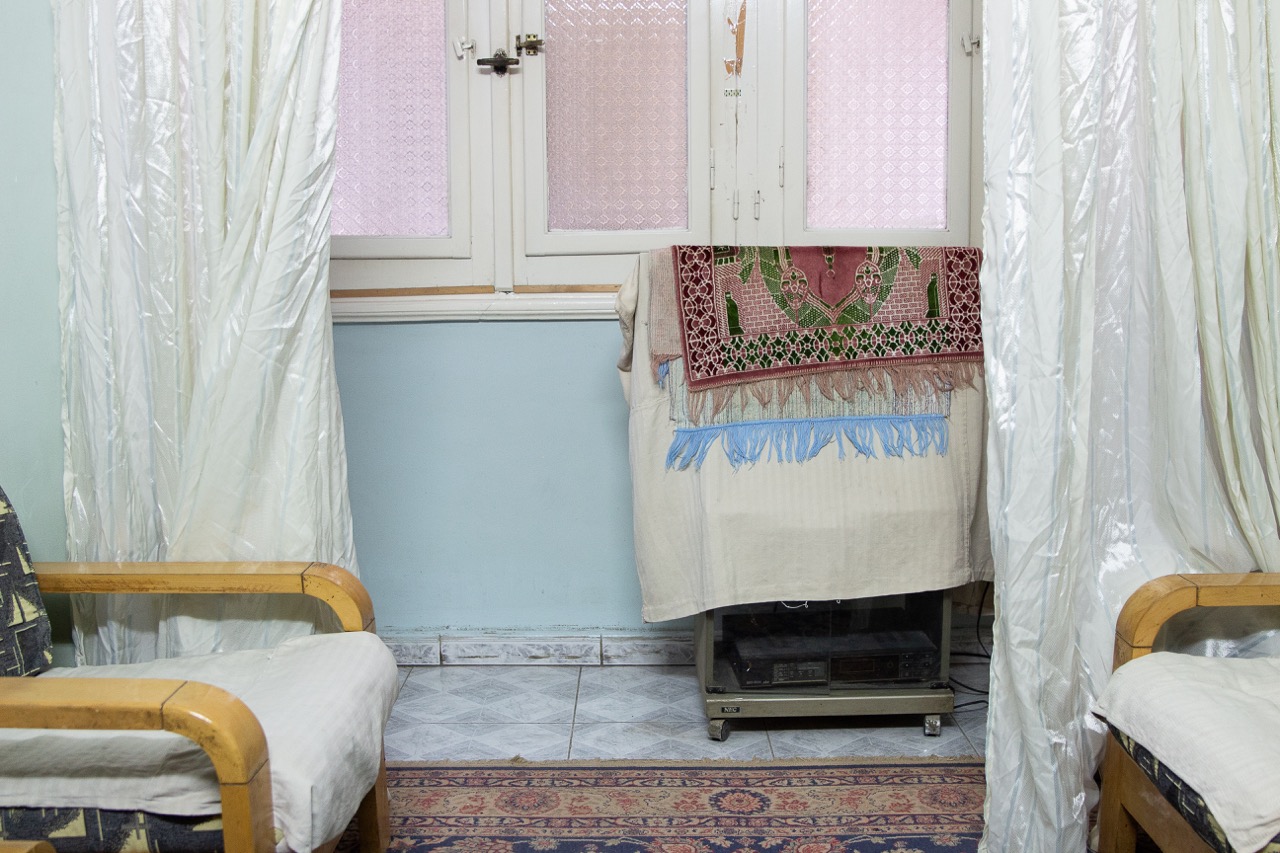
Yomna El Beyaly is a French-Egyptian photographer with an eye for the vernacular. She takes a lot of pictures (like, a lot), then lives with them for a long time before deciding what gets to exist. Her images feel like you’re with her—running errands, wandering, looking through her eyes—as she collects and archives fragments of girlhood, domestic intimacy, and ordinary routine.
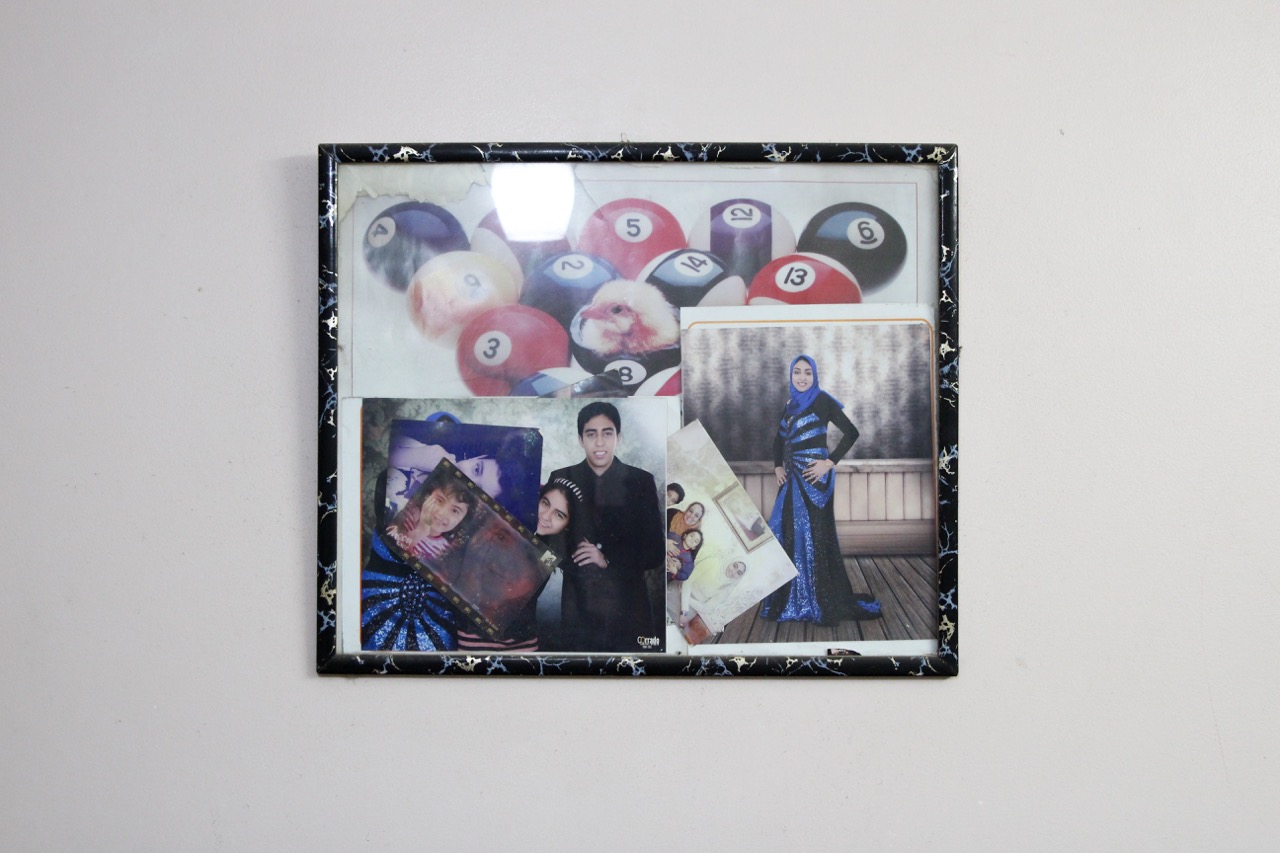
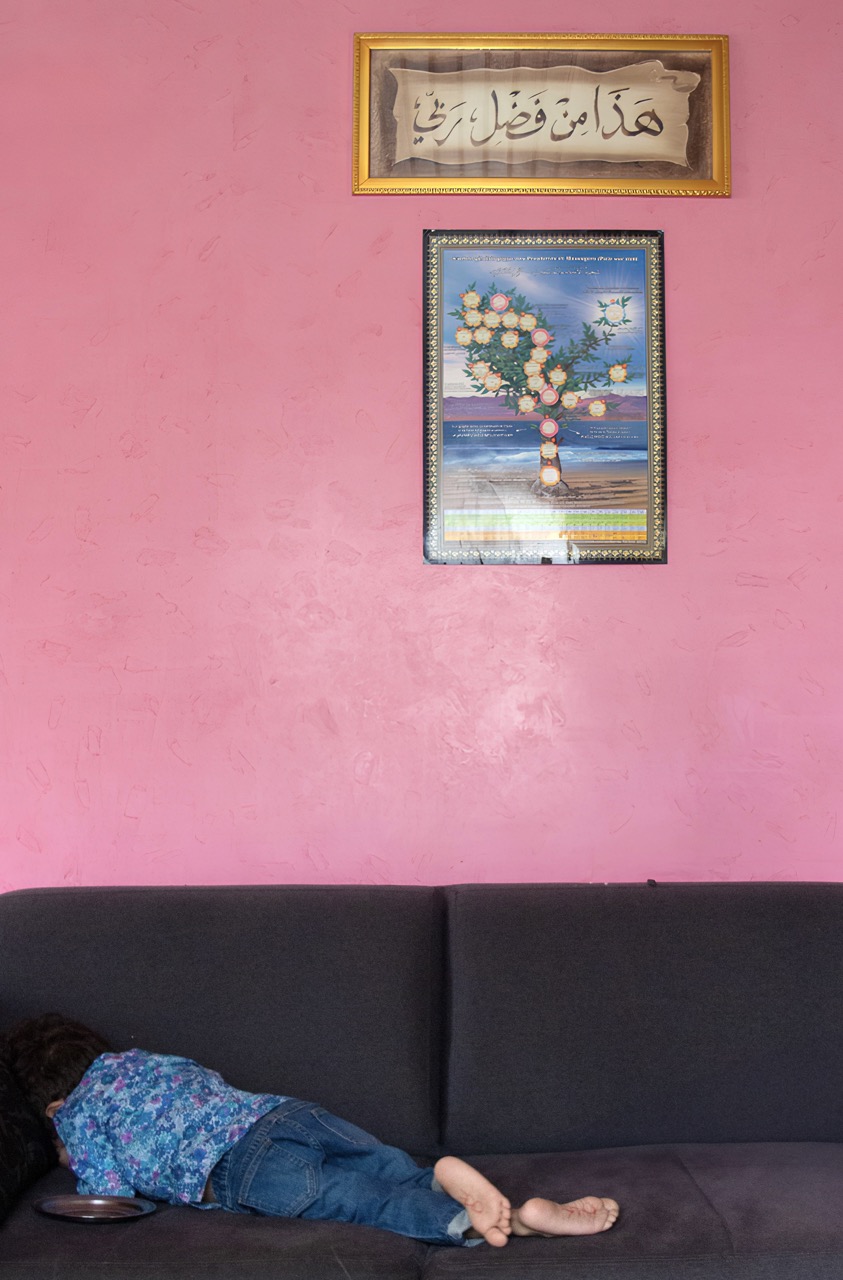
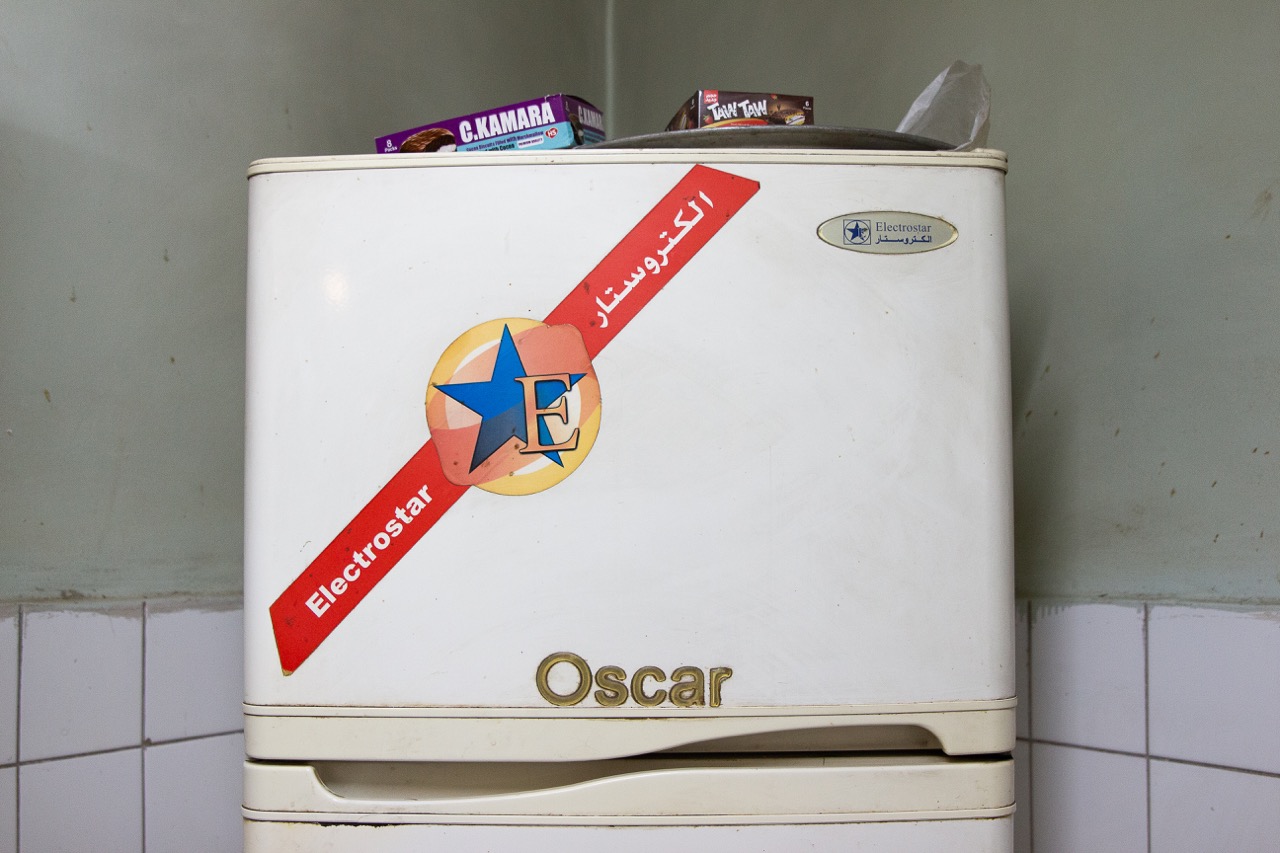
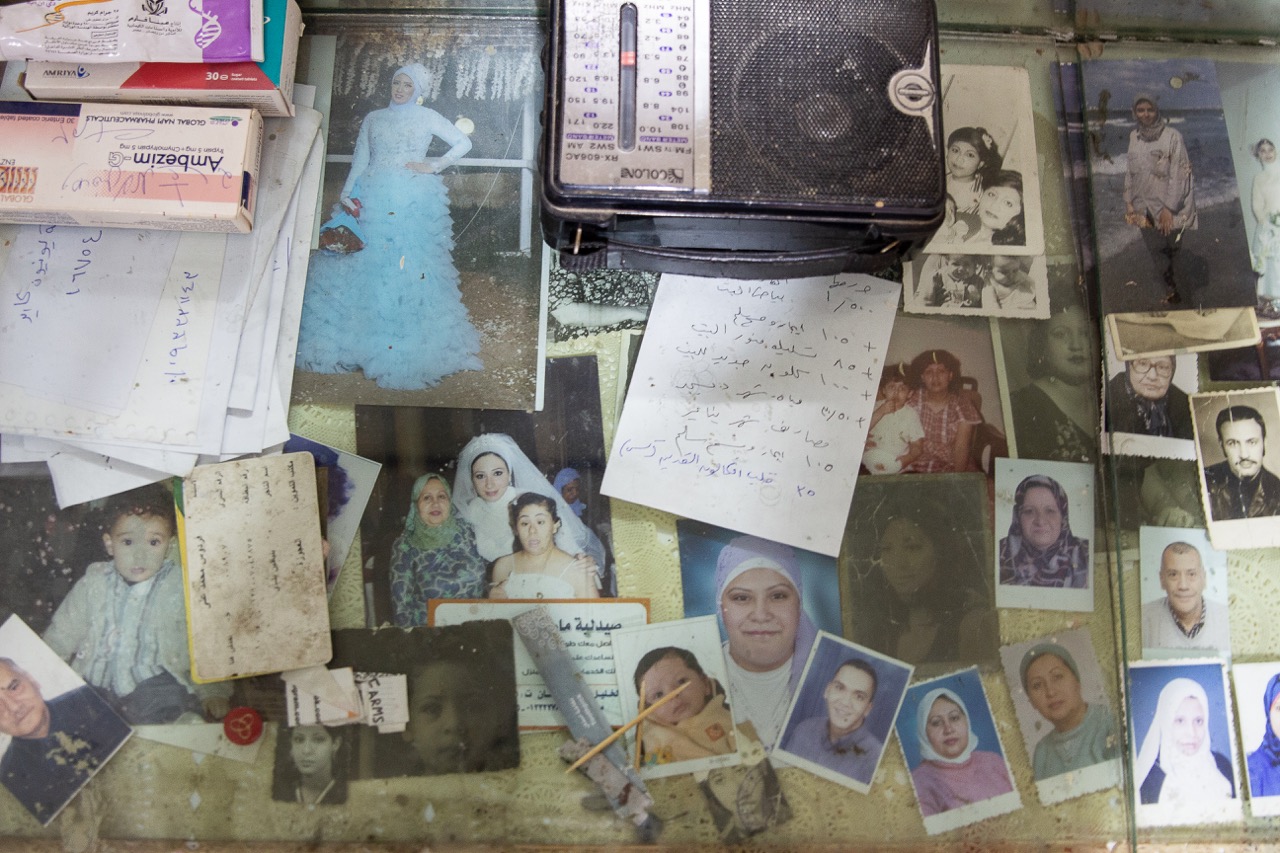
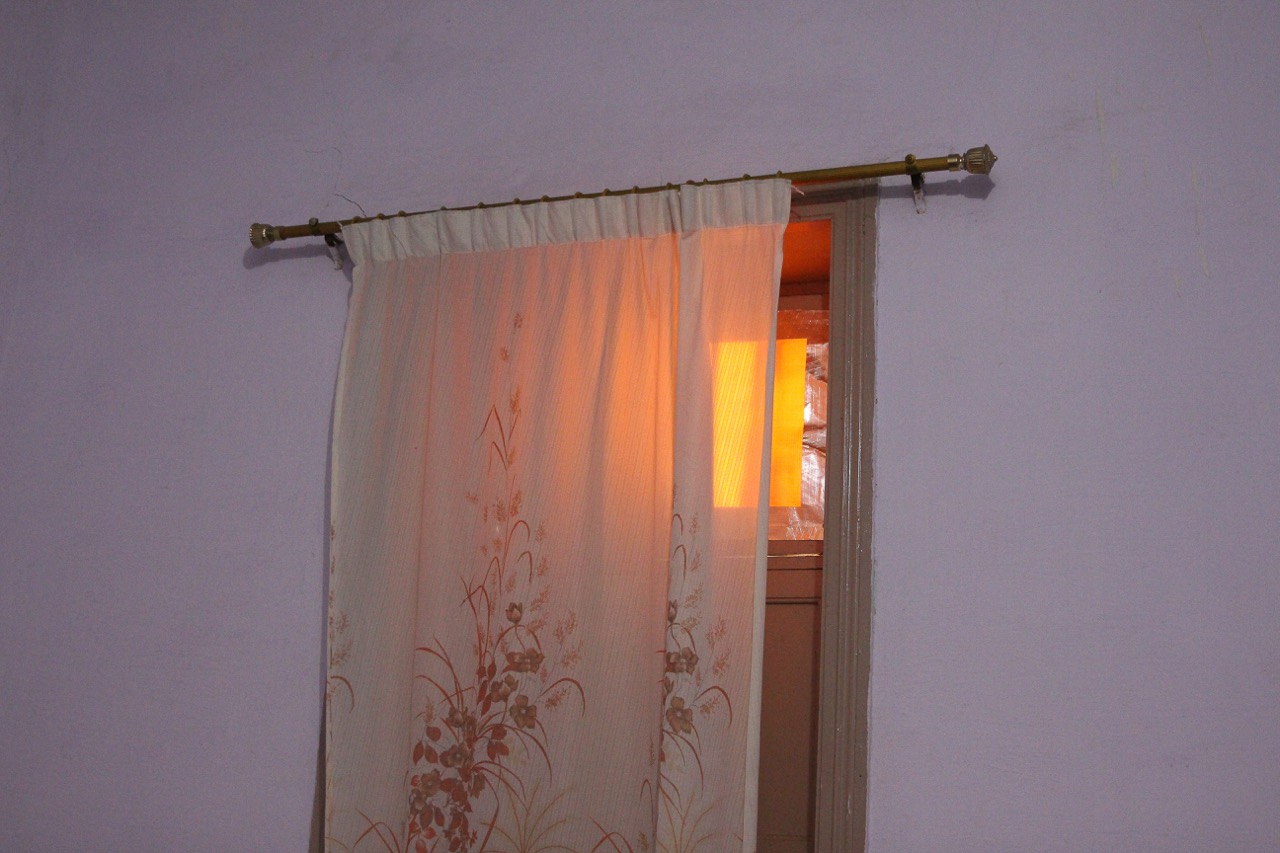
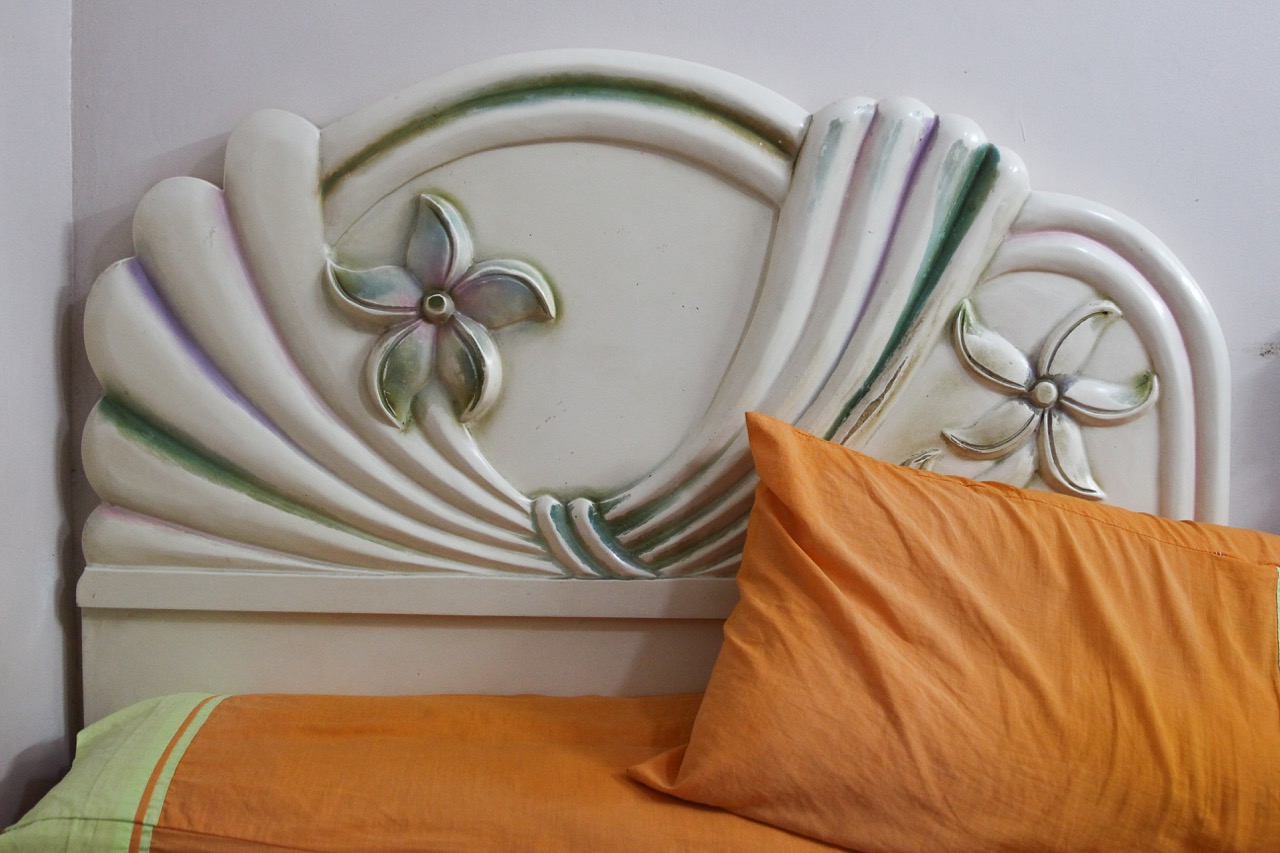
She creates what Mona Chollet once called a “harem of images”: an archive built through repetition, attention, and pleasure in fluorescent pastels. It’s guided by her almost compulsive need to gather and revisit images, and by her ability to notice what’s happening around her—even when nothing really happens at all. The weird parts of the wall you pass every day, the peculiar graphics on an old refrigerator.
Somehow, these small peeks into her universe make us want to follow her wherever she goes, to see what she sees, and have her lens point out the magic that lives in plain sight. Here’s what she had to say.
How are you, and what’s been on your mind lately?
I’m doing well because I sleep eight hours a night — and I’ve realised how important that is for my emotions to actually reflect who I am. Being comfortable in your body is essential to think, reflect, create, organise yourself. In high school I thought it was cool to sleep very little, but actually… no.
Lately, I’ve been thinking a lot about my current artistic practice and how I can make it my main activity in the long run — something I can actually live from. How to do what I love and make a living doing it. It takes up a lot of mental space and energy.
How would you describe your art practice in your own words?
My practice revolves around photography, video and printed editions, questioning memory, family archives and the circulation of images. At its core, it’s a practice based on collecting memories — or fragments that are often very vernacular. Everything depends on how I decide to treat these images afterwards. The process is almost always the same: taking thousands of pictures, selecting them, editing them, and then figuring out whether an edition should emerge from them or if they should remain as part of my personal archive. Sometimes I feel like my practice is simply about drawing images from my own data banks. I often rediscover images on my hard drives that I don’t even remember taking, and that moment of rediscovery becomes part of the work. So far, my projects have mainly existed in 2D and on screens. Today, I want to move this research towards space and materiality: thinking of the image as an object, confronting it with other materials, and pushing beyond these boundaries to open up a sculptural language and a dialogue between my mediums.
Can you tell me about how you grew up? The places, moments, or people that shaped you creatively?
I was born in a small village near Paris to two Egyptian parents — and I think that’s exactly what shaped me. These constant back-and-forths between France and Egypt. Every summer holiday, we would go there to see family in the broadest sense: on my father’s side, my mother’s side, cousins of cousins living who knows where. It’s always intense, but those are the moments I cherish the most and that inspire me the most. Like the unlimited love they give me even though sometimes we barely know each other. My family is a very strong pillar for me — they constantly support me to create, even if they never really understand what I do.
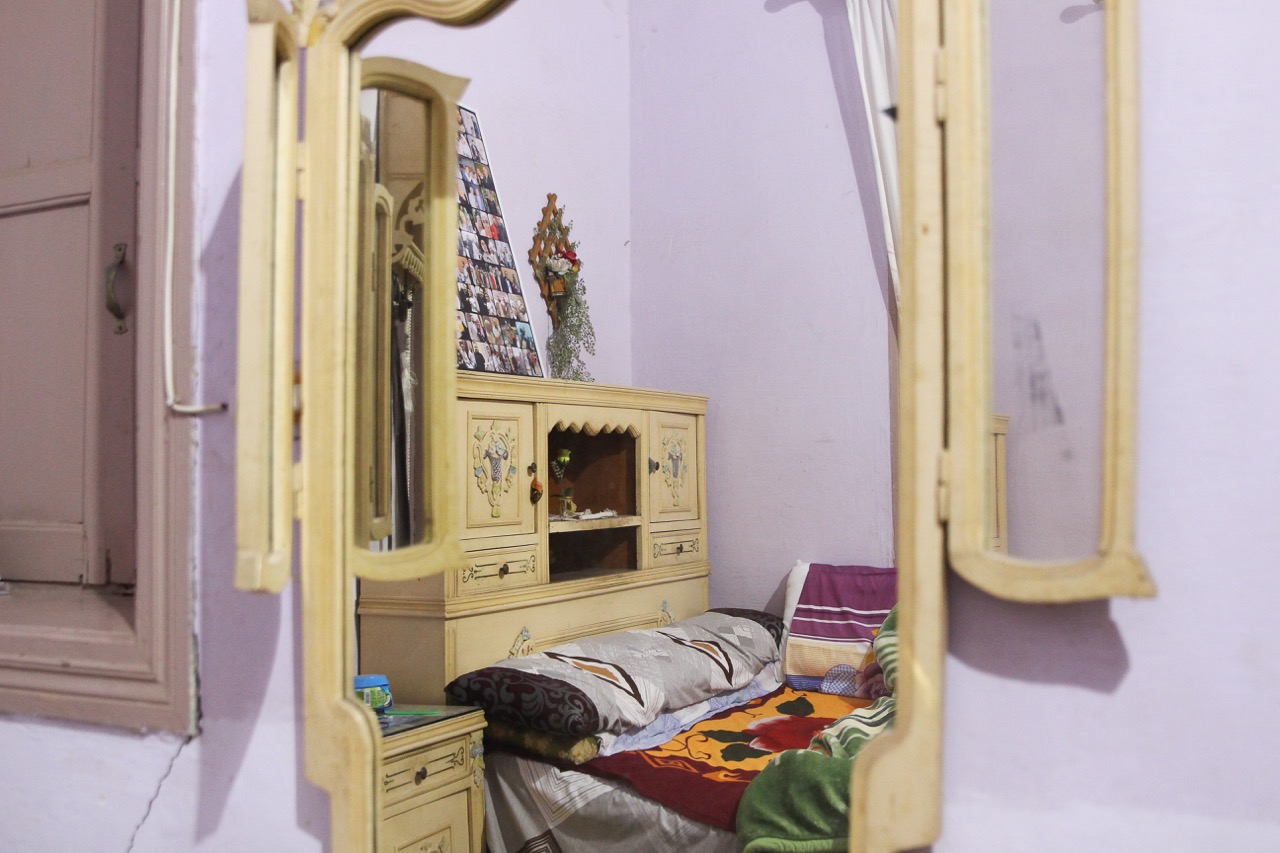
A real turning point, both psychologically and creatively, was when I decided — after my Bachelor in Fashion Image at Duperré — not to apply to any school and instead leave on my own for the first time to live in Cairo with my grandmother, in her apartment, last year. It completely transformed the relationship I had with her since childhood. I learned her habits, adapted to her rhythm, what annoyed her and what made her happy. Saying goodbye at the end was very hard — we had become a bit dependent on each other.
During that time, I spent a lot of time wandering through accessories stores and markets in Cairo — places like Koll Shai2 or Akher El Ankoud — initially to source materials, textures and small details for pieces I was working on. But very quickly, my attention shifted. I became fascinated by the people inhabiting these spaces, especially young women and girls. I started documenting moments of girlhood and everyday shopping in Egypt, often discreetly, using my phone as if I were on a call.
This research eventually took the form of a documentary edition titled Koll Shai2, which evolved alongside my image and clothing practice. It archives that period as a collection of gestures, rituals and visual fragments encountered during a time when I was living alone with my grandmother. It was also the first time I placed my still and moving image practice outside of an academic context: no limits, no constraints, no deadlines imposed by a professor. It helped me a lot to understand what I want — and what I don’t — for what comes next.
“I can take forever choosing between two images that look almost identical.”
Do you ever look back at things you made as a kid and realise your voice was already there?
Oh yes. Very much. I don’t even remember wanting to do anything else.
In high school, I hesitated a lot — thinking maybe this should stay a hobby and I should study business or law. But now when I think about it, I’m like: wtf, of course not. When I look through my drawers, I realise it was always there. Old TOPModel sketchbooks, binders full of manga drawings copied from Pinterest. I even found clothes I had sewn to dress my Monster High dolls and my Zhu Zhu Pets. I was going to say it’s completely different from what I do today — but that would be a lie. My dream was to be a fashion stylist without really knowing what that meant, and I still make clothes from time to time. Everything I consumed as media shaped who I am today and still lives in my references: the anime Mermaid Melody, the Avata Star Sue dress-up game on the computer, my ultimate crush: Rowan Blanchard. All of that is still very present.
Do you take more inspiration from your immediate reality, or from imagination and dreams?
It really depends on the moment I’m in. Sometimes I’m deeply inspired by what’s right in front of me, and sometimes by imagination. But at the end of the day, I feel like it’s almost the same thing — imagination pulls its images from reality. I made a project called Stomping Grounds where I explored this tension between reality and imagination. It’s an edition that reconstructs my childhood using my real mother and a cast meant to represent my sister and me, shot in the actual places of our childhood: my old school, my former dance studio, the city centre. I thought of these images as scattered fragments of my memory, playing out memories that are at the same time blurry and incredibly precise.
I had to remember how we dressed, our physical attitudes, what we liked. On set, I felt like I was in a dream — like a ghost returning to its own traces. It was very strange to come back and make this project. It all feels a bit confused — but I don’t mind, it actually suits me. I don’t think I’ll ever be able to remove the documentary dimension from fictional images — or the fictional dimension from documentary ones.
What’s keeping you excited lately? An artist, a book, a sound or something that you’ve experienced?
I recently watched a documentary called Apolonia, Apolonia available on ARTE, directed by Lea Glob. It follows Apolonia and her friend Oxana from their studies at the Beaux-Arts in Paris to graduation and post-school life. It really hit me hard. Apollonia goes through so many states — she constantly expresses her desires, doubts, fears, anxieties, crises. She’s a painter, but throughout the film I deeply recognised myself. There’s a scene where she’s sitting on the sand by the beach, crying, talking about the difficulty of being unstable, not knowing where you’re going, while also wanting total freedom. In the end, she manages to anchor herself in the art world, to show up and fully embrace her own style. The ride looks very fun, although it can sometimes be painful. It reassured me a lot and gave me hope. I felt like doing a million things afterwards. It’s raw, but it felt good to see someone being so honest about the life of someone who creates. Nothing fantasised. It was just so real.
What do people often assume about you that isn’t true?
A lot of people who don’t know me think I’m high all the time — even though I’ve never smoked anything in my life. They say they never know if I’m happy, sad, angry, or what I’m thinking about. I feel kind of sorry for that. My face just looks jaded and doesn’t really show emotions that align with my thoughts. I daydream a lot, and there’s constantly a lot going on in my head. But it makes my friends laugh, so that’s fine.
Do you ever struggle with comparison, especially on the internet? How do you deal with that?
Of course. If you’re on social media — and especially if you post your art — comparison is always there. Why does it work for this person and not for me? Why do they get more likes? When will people see my work? Why doesn’t the algorithm like me? It’s totally normal. Sometimes I think it would’ve been better if I had never downloaded Instagram or Pinterest — but that would be lying to myself. I love consuming images. I’m iconophagic. I love scrolling through my saved sections. There’s a book called D’images et d’eau fraîche by Mona Chollet, where she writes that browsing platforms like Pinterest, Tumblr or Flickr — visiting her saved image galleries, which she calls “her harem of images” — gives her a “visual orgasm.” I love that expression.
I’ve learned so much on the internet and discovered countless references that shaped who I am today. Thanks to social media, I’ve been able to contact people to collaborate, interview them, meet them, discover their work. You have to take the good with the bad.
I try to use Instagram as a blog for myself — to build an archive of my own work that can be seen by professionals, friends, or strangers, as long as it feels coherent and pleasurable to me. It just takes a lot of patience. I struggle with that patience — but this isn’t a race. I do it for myself first. Have fun, and people will understand who you are.
What don’t people see about the amount of work it takes to do what you do?
My biggest problem is selecting images. I can take forever choosing between two images that look almost identical. It’s extremely time-consuming — I end up with SD cards and hard drives full of images I haven’t managed to sort through. I want to keep everything, but when it comes to making a printed edition, for example, you often have to keep “the best ones” — and that part really hurts.
I hesitate between saying I’m icono-crazy or just very indecisive. Probably both.
But yeah — people really don’t see that part at all.
Is there something you’re trying to unlearn in your practice right now?Holding back. I really want to learn how to be less stressed and to let go more. It’s hard right now, but I want to be in a phase of experimentation — testing things, pushing my images beyond their usual frame. I want to be freer, more confident in my thinking, and less closed in on myself. Not having specific expectations, not even waiting for results. I’m happy because I’ve just joined the Beaux-Arts this year, where there’s so much freedom, so it feels like I’m moving in the right direction. Now it’s just about doing it and daring.
What’s something you’d like to explore further?
I’ve just finished a capsule collection of around 16 looks, made from hand-sewn and hand-knitted pieces. I’m very excited to see what comes next and whether stylists and photographers would be interested in collaborating with me on editorial shoots. As for photography, I’m currently questioning the “around” of images — what frames them, supports them, or displaces them. I want to push this reflection further through a more plastic and experimental approach.
I really want to go through a phase of exploration: testing materials, surfaces and modes of assembly, eventually developing an installation where the image appears as volume, contour or structure. I know how to lay out images on a page, but I’ve never fully invested myself in how they are arranged or installed within a space. I’m currently experimenting with image transfers onto different materials — and honestly, it’s not really working yet, haha.
How do you cope with how the world is looking right now, and what gives you hope at the moment?
I always feel guilty about doing anything with the current situation because I just can’t be out here pretending to live a normal life while people are being bombed, starved and erased. But I see more and more people starting to realise that all the values the Western word promotes are just lies to hide their endless colonial crimes and that they don’t want to live between colonial lies anymore. That’s making me really hopeful.
The more I grow up, the more I realize how lucky I am to have been raised by parents who always explained to me how the media can be a tool of control and propaganda, to always question what is written in history books and to always think about who wrote them and for whom. We have a roof, food, water and we’re reading all these sad news on our phone from our comfortable place. Enjoy your privileges to speak up. Educate yourself, always question the source of the information. Don’t be neutral, share posts that encourage contributing to a fund to help children, denounce brands to boycott because it really works, or simply educate. Please always keep all these martyrised people in your prayers and in your heart.
Free Congo
Free Sudan
Free Palestine
Free the world.
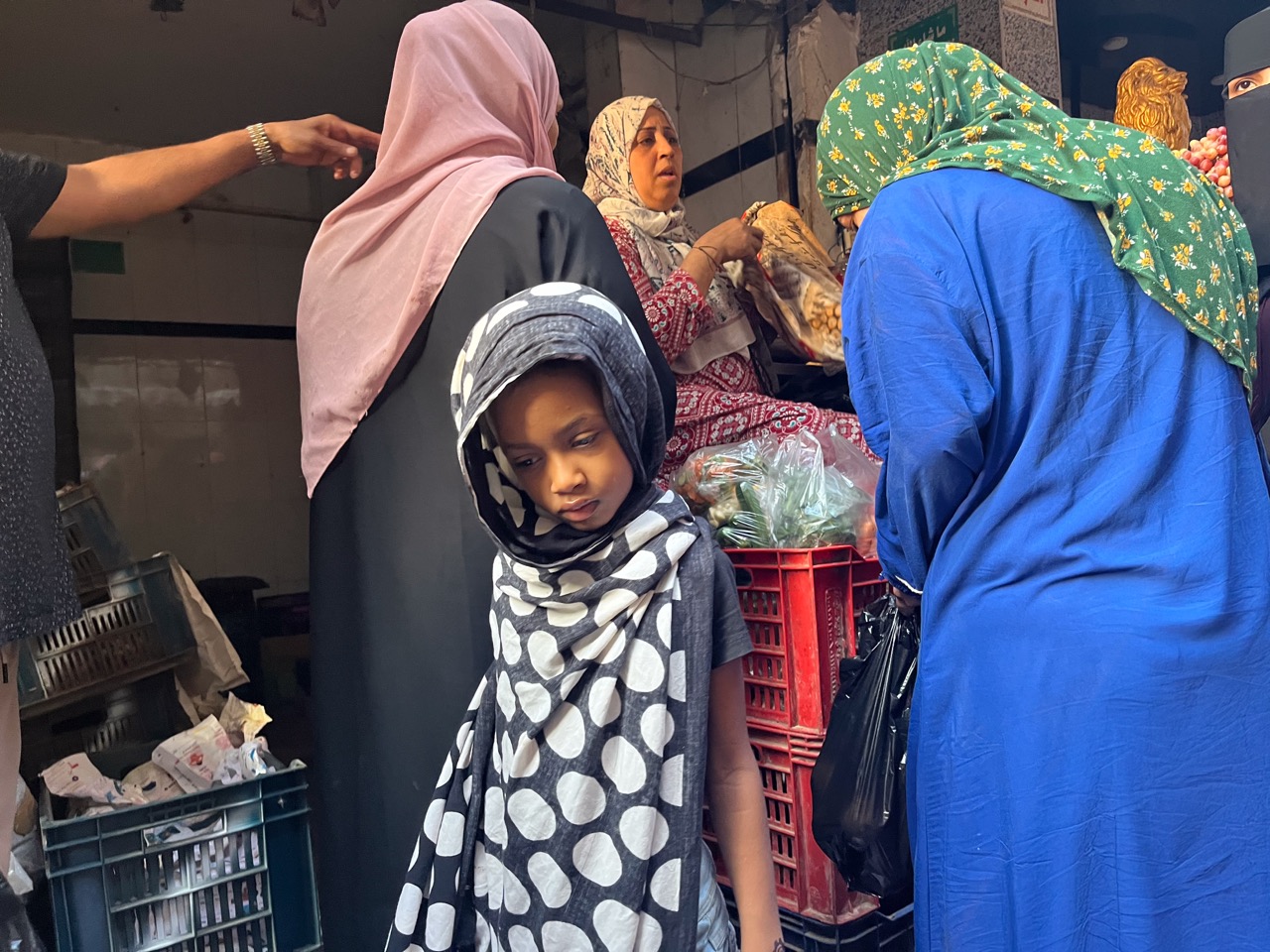
Images by Yomna El Beyaly
Words by Pykel van Latum