Fashion as a narrative practice

Sevaria is a Kenyan-based fashion practice exploring how history, tradition, and spirituality can be reconfigured into new expressions of identity. Afro-nostalgia becomes the central philosophy, seeping through both re-imaginative visual language and an expansive conceptual world. From deep research into East African culture codes to material innovation through upcycling and unconventional material sourcing (nothing is off-limits — think crocheting fringe from Maasai metal chains), Sevaria reclaims cultural authority, while simultaneously canonising ancestral practices and celebrating African creativity of today. In this visual essay, Sevaria’s founder, Jamie Bryan Kimani, and photographer Kim Erich come together to sit with the tension between memory and invention, documenting a process of continual renewal that remains deeply grounded, tender, and alive.
Hey Jamie! Where are you answering these questions from?
I’m seated just outside my studio, working under the open sky, with the quiet of the night and the moon above me.
You started as a makeup artist before fully diving into fashion. How did that journey begin, and what made you decide to pivot back into fashion?
I’ve always loved beauty, hair, makeup. All of it started really early for me. But by high school, I knew fashion was what I truly wanted, so I went to fashion school. At the time in Nairobi, though, it was hard to fully make a living in fashion, so I was also thinking about stability. Through friends, I heard about an opening at MAC and applied. I got the job, and in my mind, it felt like a smart entry point. I’d seen MAC backstage at New York Fashion Week, and I thought, whether I get there through makeup or fashion, I’ll find my way. I worked at MAC for three years, saving up while still staying close to the creative world. That gave me the space to finally focus deeply on what I really wanted to do — building Sevaria, my fashion brand.
Are there any tricks from makeup that sneak their way into your fabrics, finishes, or shapes?
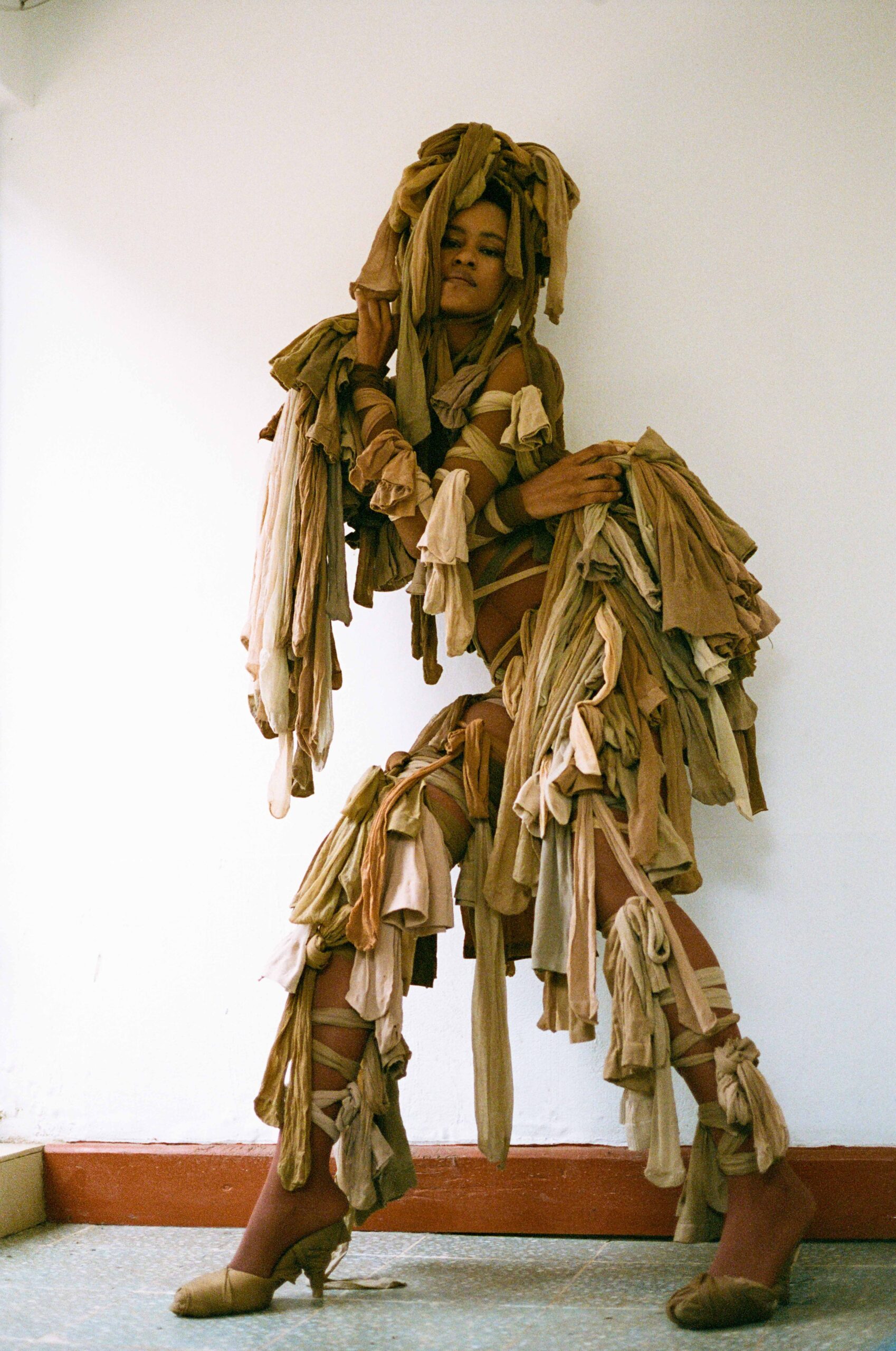
That’s actually a really interesting question. I’ve never fully thought about it before. But reflecting on it now, I think colour plays a big role. Colour palettes and colour theory definitely translate from makeup into fashion for me. I also use makeup as a storytelling tool. Once the clothes are done and the vision is clear, makeup helps me push the narrative further, almost like building a character and bringing the story to life.
How did your latest collection, SAFARINI, start?
SAFARINI started very organically. I was on a shoot in Singita, Tanzania, for Industrie Africa with creative director Sunny Dolat, where we were exploring what safari means from an African perspective. That really sparked the idea. Being surrounded by the savannah, the textures, wildlife, and color palettes naturally influenced the collection, especially since texture is such a big part of Sevaria’s DNA. Around the same time, there was also a safari-themed ball in Nairobi, so I was fully immersed in that world, and it all came together.
Your work dives deep into East African cultural codes — from Akorino and Lejo Maria attire, to Surma markings, to Maasai ceremonial dress. These aren’t just clothes, but carriers of memory, spirituality, and social belonging. How do you take those traditions and translate them into contemporary fashion without losing what makes them so alive?
It always starts with respect and research. These traditions aren’t just visual references; they carry history, spirituality, and a way of life. I spend a lot of time understanding where they come from and what they mean before thinking about how they translate into clothing. When I design, I’m interested in extracting the essence, telling and starting stories, the silhouettes, the symbolism, the feeling — and reinterpreting that in a contemporary way. It’s about honouring the source while allowing it to live in the present, so the culture remains alive.

You work with discarded materials and local fabrics — what’s the most unexpected thing you’ve been able to turn into a garment?
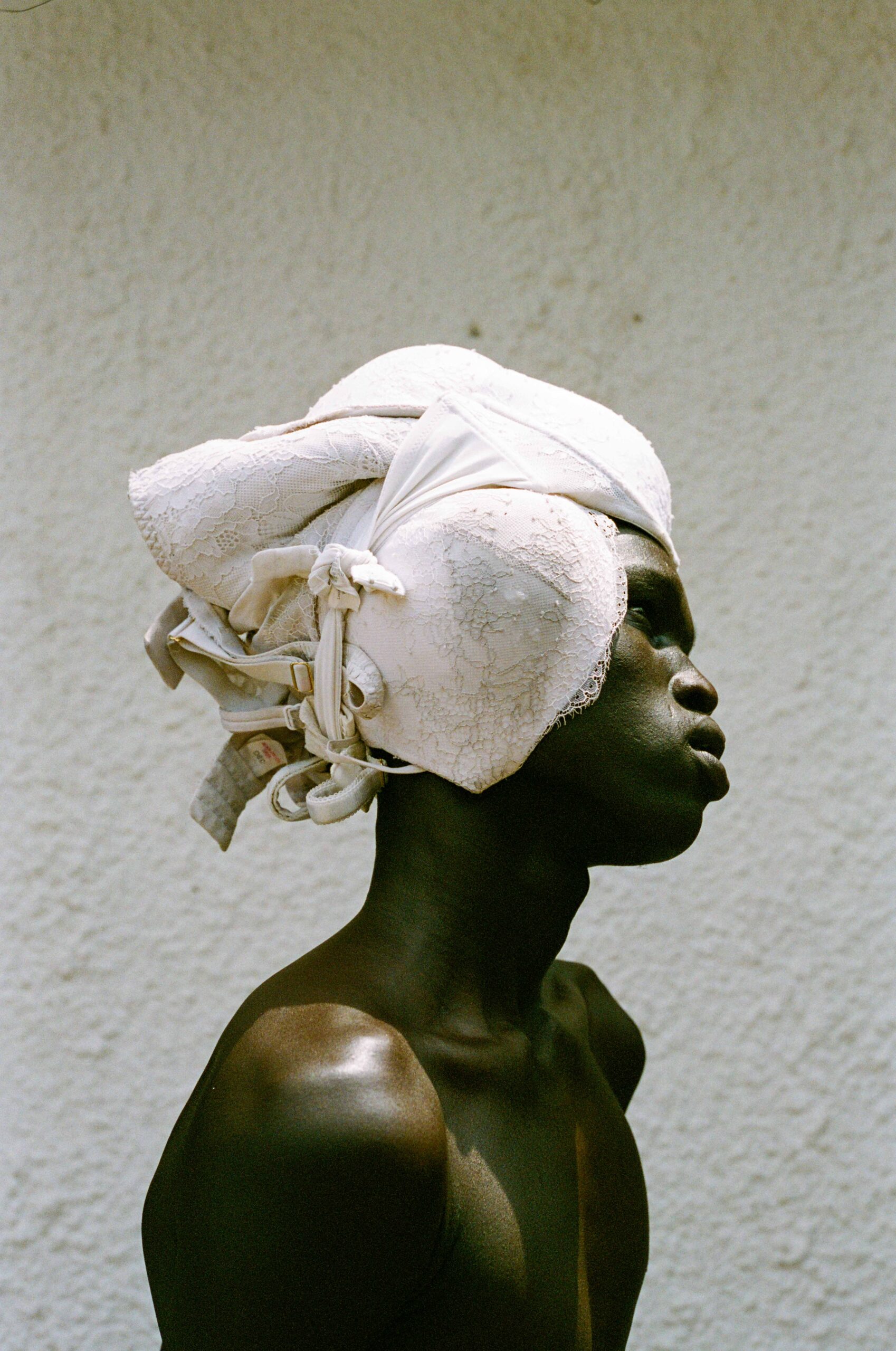
The most unexpected/unconventional thing I’ve worked with are the polypropylene bags, which I upcycled from second-hand markets. We hand-wove them with cotton, and it turned out pretty well. It catches light beautifully.
The strangest thing you’ve ever collected or kept for inspiration?
This is tough because I collect a lot. The most recent one was some seaweed from the beach. I was inspired by the colour combination of the old dried ones, which were more of a darker brown, paired together with the fresh green ones.
Can you tell me more about how you incorporate fabrics or craft techniques from Gikomba, Maasai, or Surma communities?
I work closely with Maasai community leaders, and that connection deeply informs my work. I’m especially inspired by Maasai beadwork, which I reinterpret through metal chain detailing in my designs. It’s a contemporary translation of the weight, rhythm, and symbolism of traditional adornment
Looking at it from a Western lens, what are the things we could really learn from these communities — about fashion, identity, activism, or even just being bold with what we wear?
I think there’s a lot to learn, especially around confidence and intention. In many of these communities, what you wear is deeply tied to identity, status, and belonging. It’s not about trends, it’s about meaning.
In your process of reinterpreting heritage garments, have there been moments where tradition surprised you — or even challenged your assumptions about gender or identity?
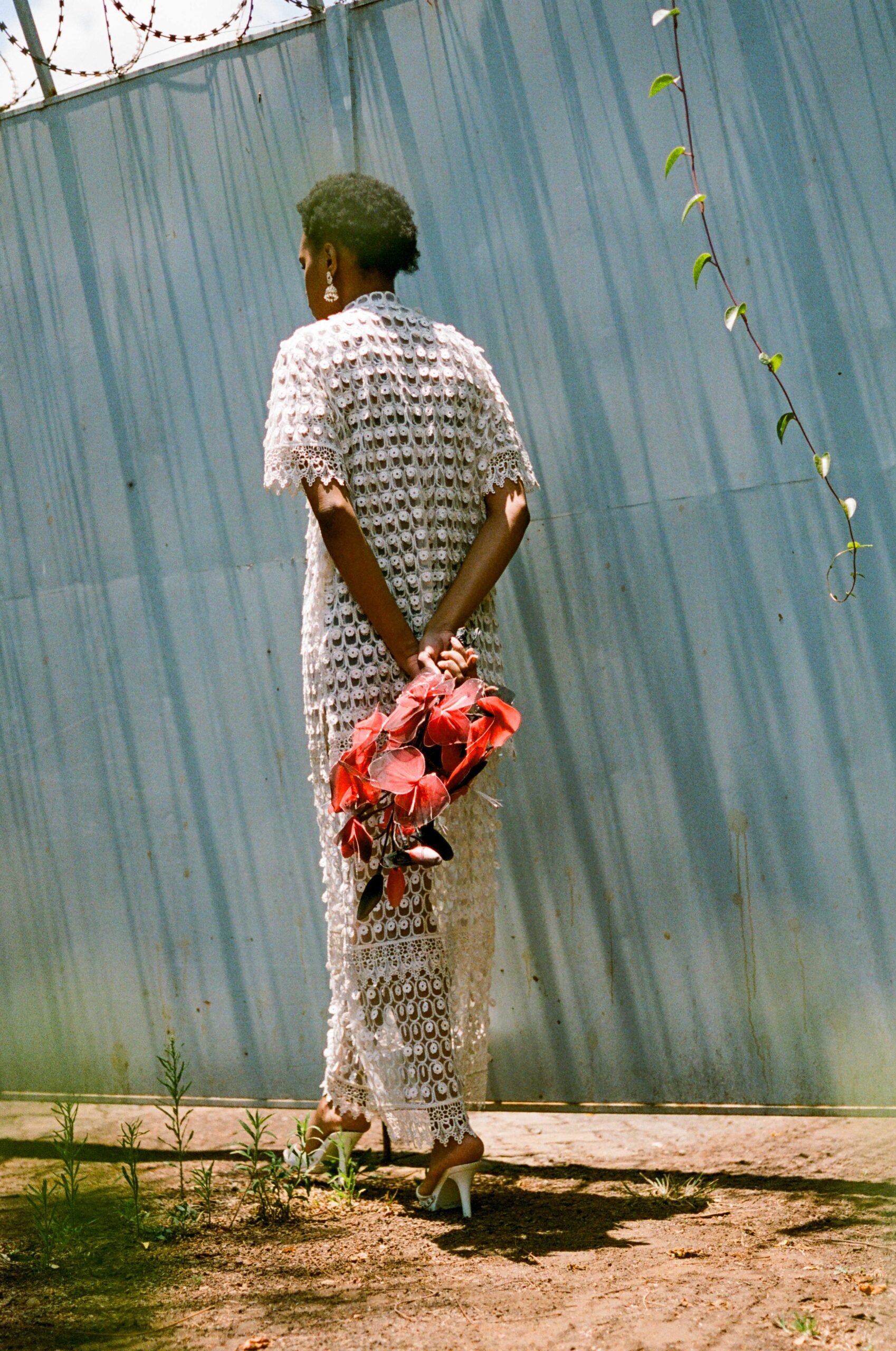
Definitely. When I research nomadic communities in East Africa, I’m often struck by how intentional and elegant they are. The way shukas are draped is incredibly refined, and there’s a real attention to beauty and self-presentation. It challenges the idea that elegance or adornment is tied to gender in a fixed way. In these traditions, dressing well is about identity, pride, and presence — and that perspective continues to inform how I think about gender and expression in my work
What’s the last thing that genuinely made you laugh in the studio?
A recent brainstorm session in the studio with my friend Michael. He suggested the title for my new capsule collection, and it was so unexpected I laughed for almost five minutes straight — then immediately knew it was crazy enough to be perfect.
If you could invite three people — dead, alive, or fictional — to a Sevaria fashion dinner, who would they be and why?
Patience Ozokwor, she’s Nollywood royalty. Jean Paul Goude, because he’s a creative genius. I’m torn between Erykah Badu and Dominique Jackson. I think I would learn a lot from them.
Your work has been showcased at international platforms such as Portugal Fashion Week and Africa Fashion Week London. Does being in Nairobi vs. say Paris or London change the rhythm of your work, your inspiration, or even the kind of clothes you want to make?
Nairobi keeps me close to lived experience, culture isn’t something I have to reference, it’s happening around me every day. When I’m showing internationally, I become more aware of how the work is read globally, but the core doesn’t really change. If anything, being in Nairobi gives me clarity and confidence in the stories I’m telling. It grounds the work and keeps it honest, no matter where it’s shown.
And finally, outside fashion, what keeps you going these days?
Spending time with close friends. Those hangouts always turn into a good time and keep me laughing.

Photography by Kim Erich
Styling by Jamie Kimani
Modelled by Karen Kelechi Okey and Chiang Jock Ruach
Words by Pykel van Latum and Evita Shrestha