The photographer who is looking at you looking at her
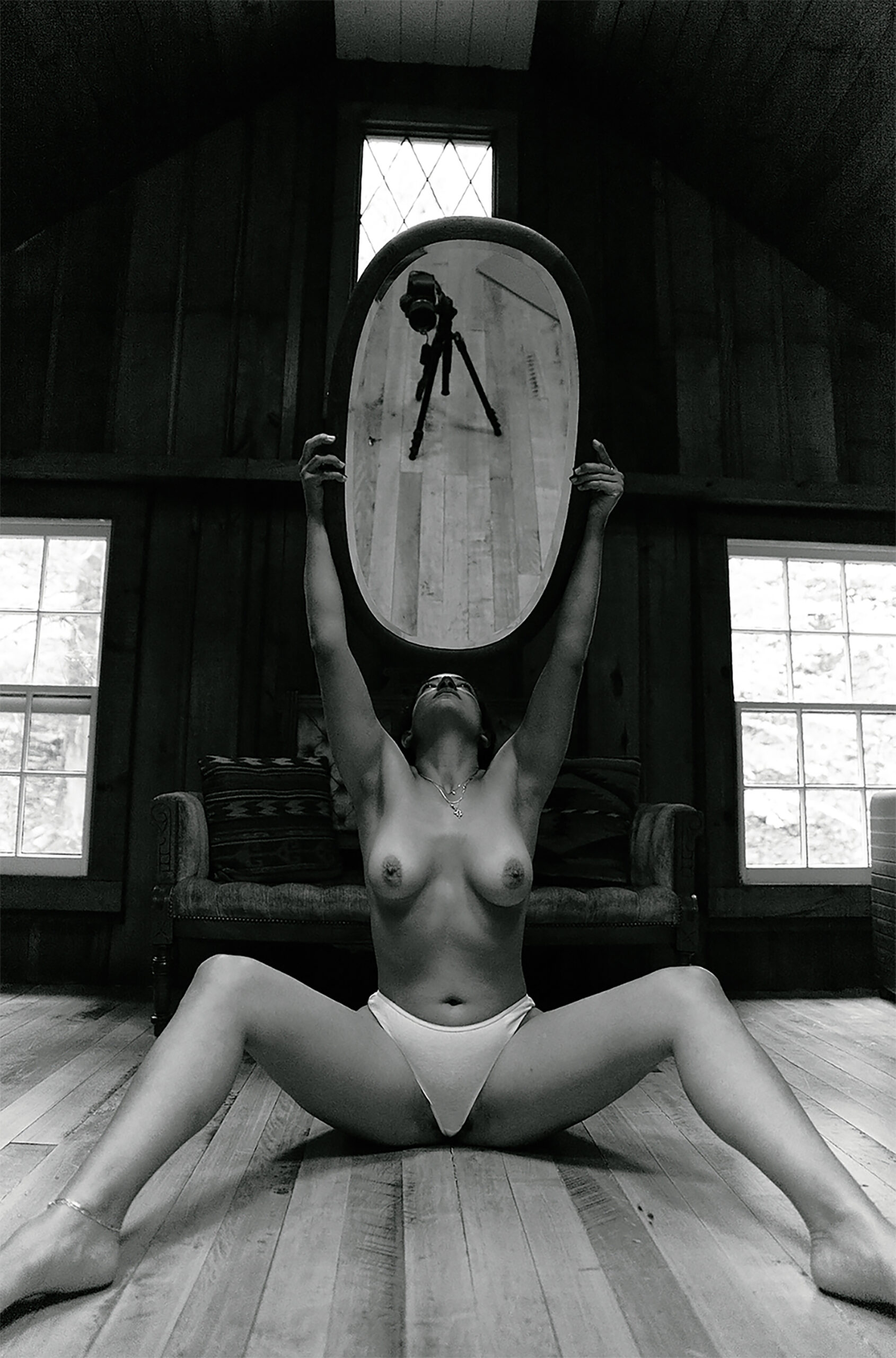
Women’s bodies are constantly made to carry meanings that are not their own. They become symbols of morality, liberation, fragility, tradition, nationhood. Within the constant aesthetic scrutiny, they are weaponised in political rhetoric, used to justify invasions, wielded as evidence of progress or decline. Much of Yumna Al-Arashi’s work begins from this observation.
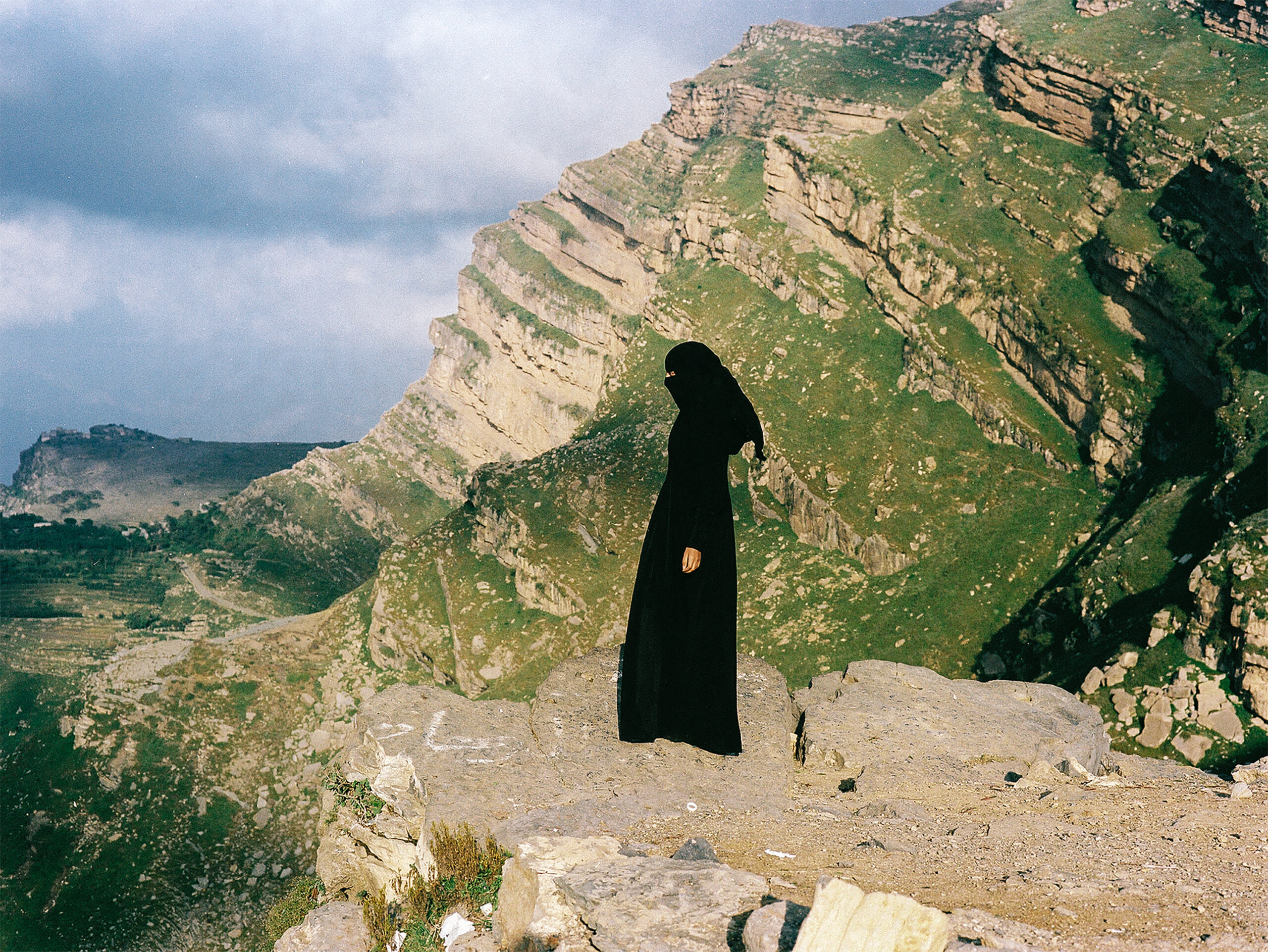
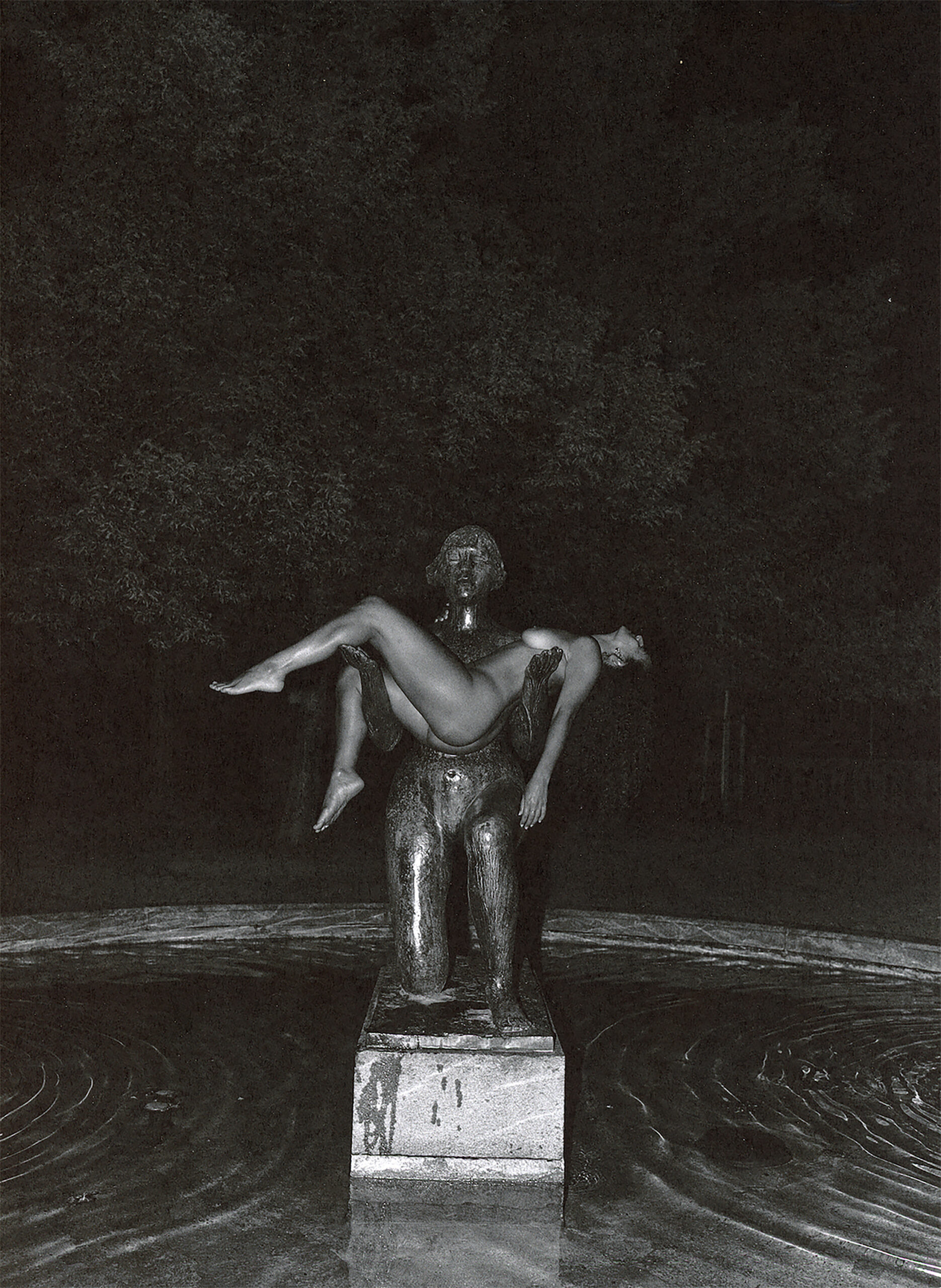
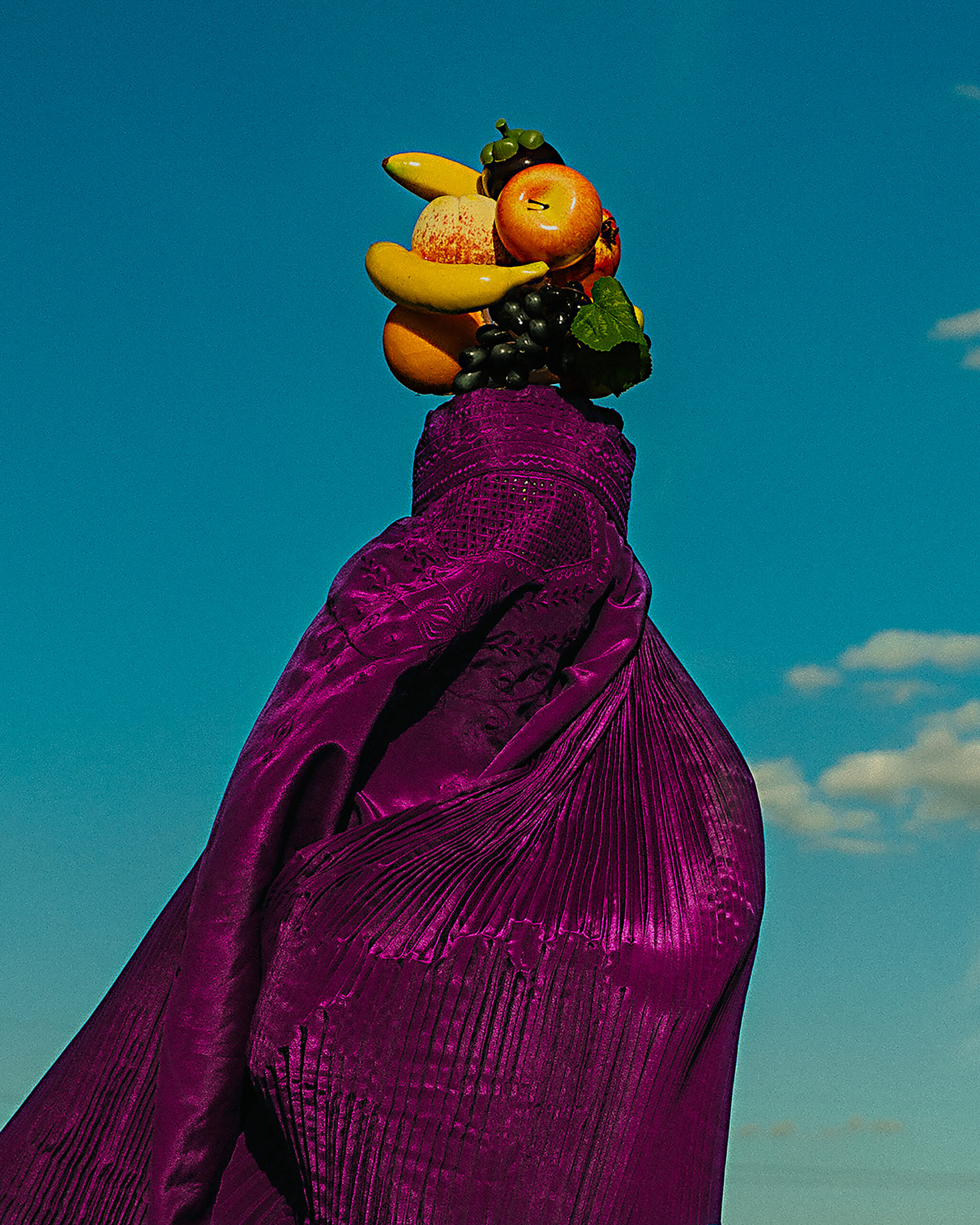
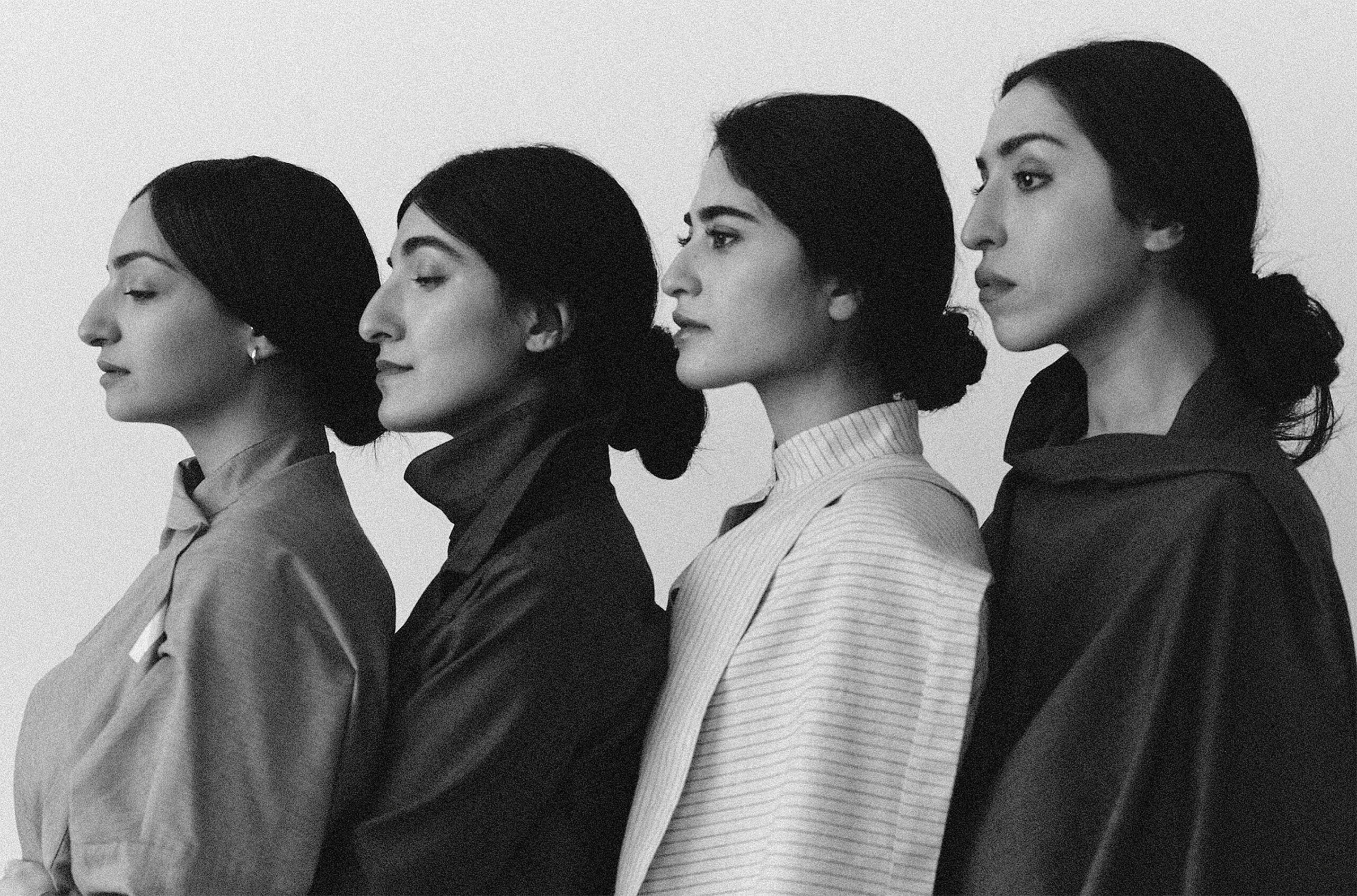
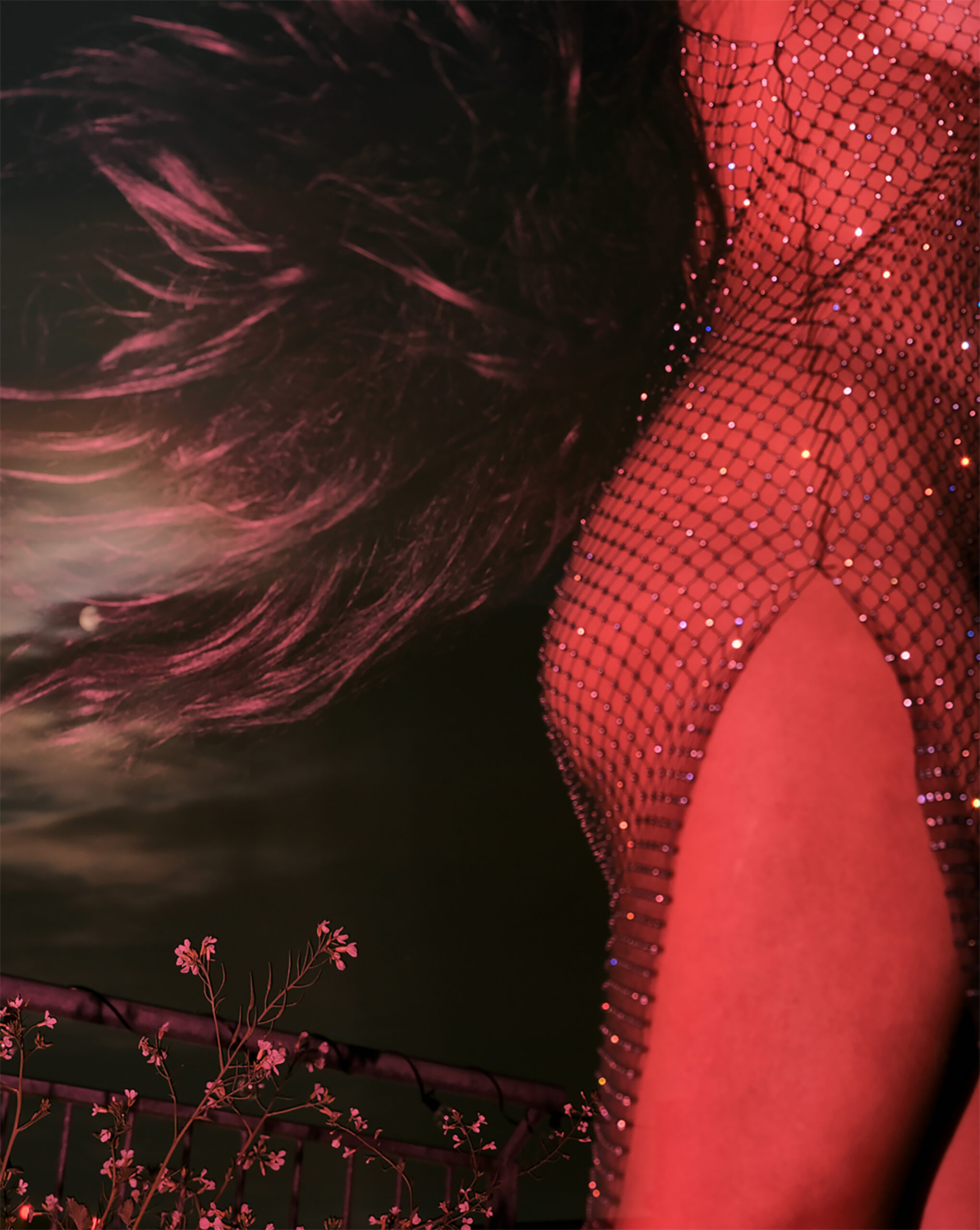
The Yemeni-Egyptian-American photographer moves between documentary and conceptual art, working with images that feel at once familiar and slippery. Hammams, veils, rituals and naked bodies recur throughout her practice as living, contested terrains. Drawing viewers in through intimacy, her photographs steadily unsettle the fantasies and projections that so often cling to representations of West Asian and North African women. What began as a deeply personal reclamation of her image after experiences of sexual violence has evolved into a wider reckoning with the politics of colonial-patriarchal possession — of bodies, histories and narratives. Again and again, her work returns to the same provocation: not simply to look, but to become aware of oneself looking. Her subjects always return the gaze, transforming it from an act of consumption into an inner confrontation.
As her solo exhibition at Huis Marseille draws to a close, we’ve had the pleasure to peel off a few layers of her work. We spoke with Al-Arashi about building (counter)archives, Orientalist fetishisation, and femininity as a gendreless force.
Lovely to talk to you! How are you doing? How was the Biennale?
It was really intense, but very beautiful and rewarding. We worked on a performance piece for dear friend and collaborator, Kelsey Lu. I worked on the visual elements of an installation, making a photographic fresco in the space, which is going to stay there until the end of the biennale in November. It was a very special experience — it was my first time working with live performance.
I feel like your photography already has this embodied, performance quality to it. What was it like to translate it into a live experience?
Kelsey Lu and I are longtime collaborators — I’ve made all of the artwork for her latest album. I really love documenting her and the way she works, and our collaboration has evolved to actually doing work within the space of her performances organically. We thought that it would make sense to bring that into the live realm.
I always thought I would be on the sidelines taking photographs as she’s performing, but it actually turned into her asking me to be in costume alongside the performers — becoming an integral part of the performance itself. So I was a performing photographer, which also made me think about what happens in a live space when art is being consumed in real time, and then how an audience reacts within the framework of documentation. When you go to any art space at all — whether it’s music or visual arts — people are always taking out their phones and taking photos. And it really started to get my mind running in terms of how we consume. What is it that we’re looking at when we are experiencing art in its real-life iteration?
We feel this need to ‘capture’ it in terms of our capacity to understand something or to know that it existed, to know we were there to leave a trace. Also, when it comes to Brown and Black bodies, so much of what we do has, for both me and Kelsey, has to do with our backgrounds and our histories. We bring that into our artwork, but it’s not necessarily up for consumption. It’s all still being processed in my head.
How do you avoid making it up for consumption?
A lot of our histories are a part of why we create what we create, and it’s so much about healing from past traumas. Most artists understand that these narratives are a part of our story. It’s one thing to understand and to use those histories within the framework of your artwork, and it’s another thing, on an audience or societal level, to box you into that narrative.
There’s definitely a tension between why we make what we make and not wanting to be consumed on that level. I’m a Muslim woman, and there’s a tension between the audience’s perception, especially among white audiences in European contexts. We are wary of all of those things. For my personal work, most of the people who consume it are European or of a diaspora. So, there’s a tension that lies between the consumer and the consumed. It’s natural.
Do you feel that you have a certain European or Western gaze in mind when you create or exhibit work?
Definitely. I’m really fascinated by the context in which my work is placed based on my identity. I think it’s really more of a reflection of society. I love to play with it. It’s mischievous in a way. And I like to be mischievous. I’m a Scorpio.
Haha, love it. Could you tell me more about what it reveals to you, the way your work is consumed?
The reason why I put a lot of myself into my work was that I felt extremely betrayed by images of me when they were an object of sexual violence. Having images of me circulated without consent. And so, I used photography and self-portraiture as a way to combat that, like taking ownership back of my image.
And then, there was another part of me who wanted to be a documentary photographer and work in West Asia and North Africa to tell the stories of my ancestral lineage and what’s happening in the world right now politically. Those things both evolved simultaneously, and for most people, it was very strange that a woman has the capacity to talk about both politics and sexual violence. Because it’s like you must only do one thing.
As if they’re separate…
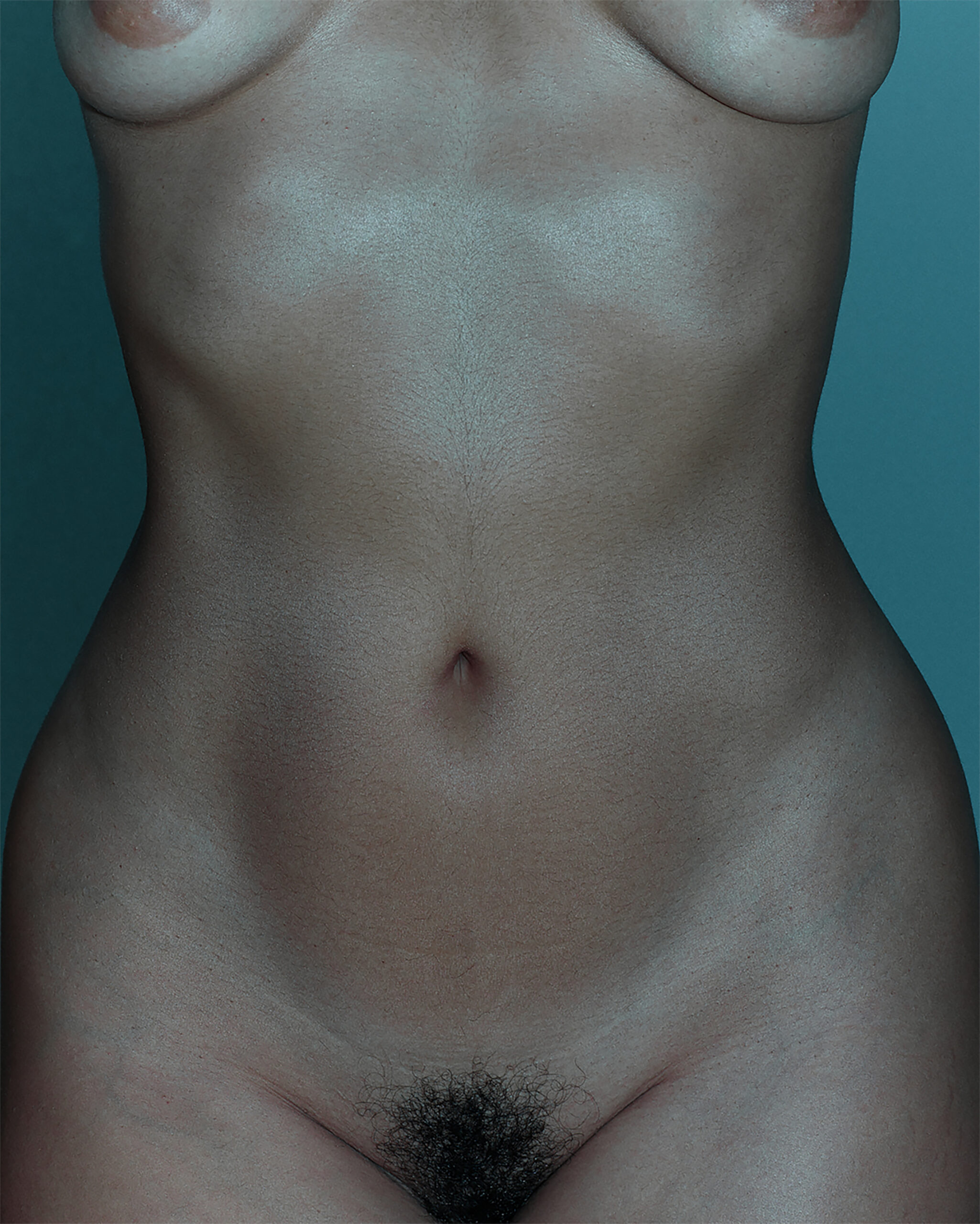
Yeah, exactly. And so the narrative that naturally started to flow was that I was the naked Muslim photographer who was combating the oppression of the Muslim world by being naked. I was like, ‘Actually, no.’ I faced sexual violence in the United States, and it has nothing to do with my heritage or my background. And I use my body as a form of trying to reclaim ownership of that image of me from my own historical experiences of being exploited. But I never dared to talk about that because I know how society works, where when a woman does anything as a response to her sexual violence history, she becomes a ‘survivor’, you know? And that’s the narrative around her. I don’t want to be that. Fuck that.
I’m so much more than that. It’s interesting how, over the years, that narrative formed first and foremost around me using my body. That just goes to show the world we live in. It’s like this war machine, which uses women’s bodies as a way to justify invasions and “liberation”, as a format and a reason to create war. My body has been used in this framework, even though it has nothing to do with that. So I always found that to be very, very fascinating, and I like playing with it.
Thank you for sharing. I’m really sorry that this happened to you. It is so infuriating how narratives around our bodies and experiences just get so hijacked, in a way. It’s like this autonomy gets stripped away yet again.
Definitely. There’s something important that we all need to start thinking about in terms of how many women we know who come forward in a public space, either commit suicide afterwards, or disappear from the public realm because they lose their career. They often lose their entire family life. They lose so much because everyone looks at them as tainted. How horrible that not only do we have to survive sexual violence, but then on top of that, if we do speak up about it, we are excluded from society, and we get boxed in.
And what a shame that I had to deal with all of these things outside of the public eye. I’m really grateful that I had art as a way of healing and empowering myself in many ways, but I had to hide the real reason behind what I did it for. We’re still living in that narrative, and it has not changed. Even when we talk about the Epstein files, it’s the same thing.
And it’s always the victims’ names that are not redacted, so they get scrutinised and have to relive it again and again.
A few years ago, there was a suicide of one of the survivors, and she was one of the most outspoken ones for years. We haven’t gone far as a society when it comes to these conversations. Now I feel ready to actually start having a public dialogue around these things. I do feel very protected in a way that I can actually converse and not boil down to that. And I do it in a very particular way that I don’t think I embrace my victimhood. It’s more around pointing a finger at us as a society, generally, and not about me anymore.
I’m really glad to hear you’ve found this safety. But it’s just so sad, I imagine that protection was something you had to build for yourself, not the world becoming safer or kinder.
Exactly.
It’s so important to talk about these topics, so thank you again for speaking on them so openly. Coming back to your practice, could you tell me about the interaction of the two pillars you described in your work — the documentary part and the one reclaiming your own image?
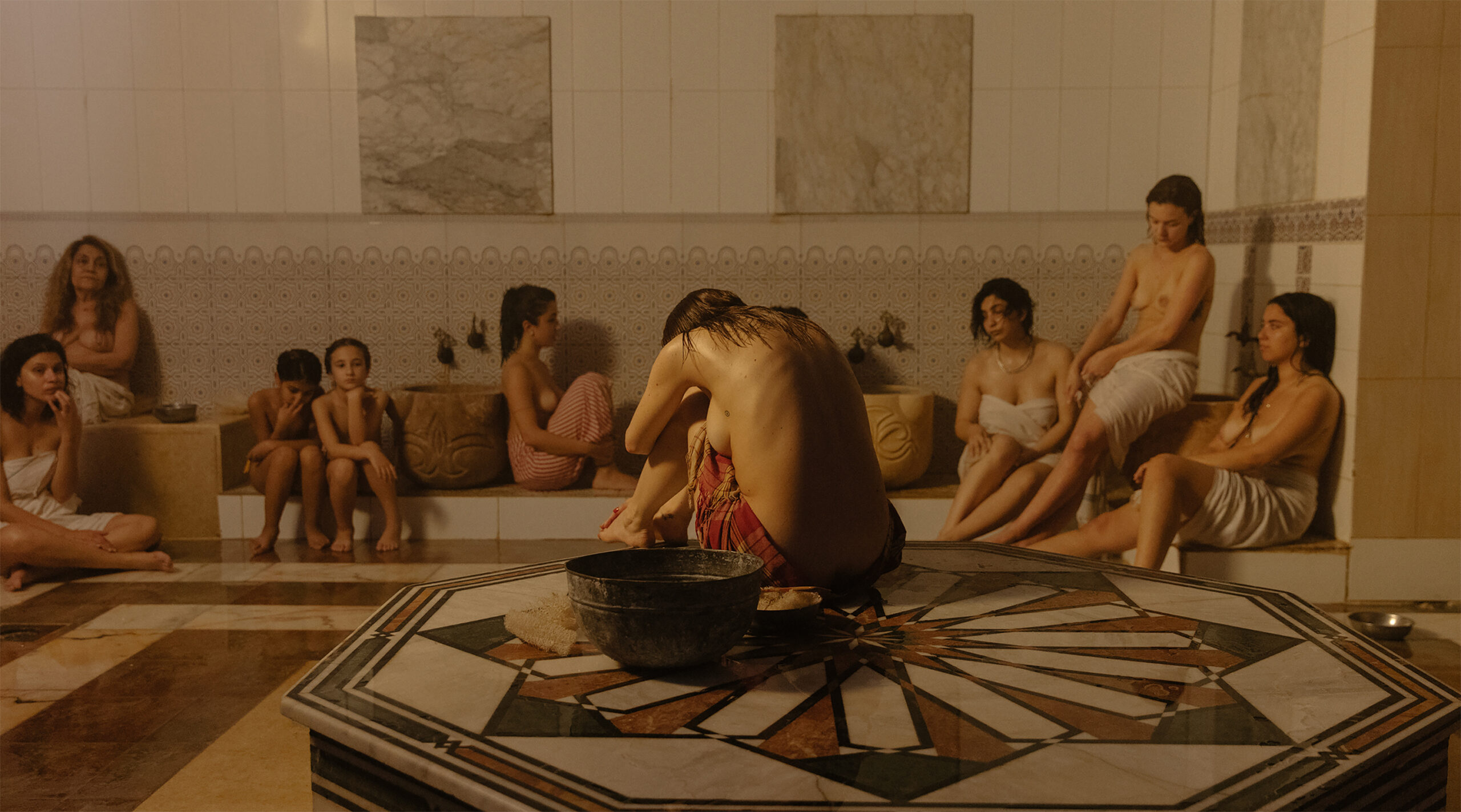
The experiences of what happened to me and also what I wanted to work with outside of my own body and sexuality, of course, were separate things. But eventually I realised everything is connected. As I get older, I start to see that the violence and the history of occupation and of war-making use sexual violence and objectification of women all over the world. Actually, whether that’s through consumerist culture in the West or liberation talks about women in the East, this is all a part of that narrative. So, if I’m sexually assaulted in the United States and exploited around my sexuality has a deep, deep, deep-rooted history in the fetishisation and the deep sexualisation of Arab women. Look at Mia Khalifa, for instance. We see the narrative is very clear. And I think as I get older, I’m starting to find ways that I can actually start integrating these conversations together more and more. With my work in the Hammam, that was a really big starting point for me to really see how the visual narratives stick inside of us in a way that we don’t even realise what’s going on. And so even if you’re a woman, even if you’re a woman from the region, you sexualise yourself or romanticise the sexualisation of yourself. So I don’t know.
I suppose all these things are rooted in the same systems of oppression, it just takes time to connect all the touching points and layers they come with.
How Asian women in general are sexualised and still, to this day, are objectified and commodified. All of these things have been happening since forever. And these are reactions to occupation, to war, to the narrative of owning. It’s a very dark human trait that we feel a very deep desire to pillage and rape women when it comes to occupation. To rape a woman in an act of war is just a spiritually very heavy act. It’s like killing the force of life-giving in that region for those people. And it just comes from this male insecurity and need for domination. That’s just a part of the narrative. And it’s time to fucking change that shit because it’s happening everywhere.
Yes!!! I really love that you describe your work as a counterarchive. Could you expand on what that means to you?
I think within the context of the Western canon of historical evidence, all of these spaces of education around my personal ancestral lineage and of so many other cultures and histories, there is a lack of a narrative that gives clarity to what it means to be a human being from a lot of these places. And there’s still this extractivist energy around a lot of the archive.
I speak about the West a lot because it is where I live and it is where I operate. And although I am descended from the Eastern regions, I think it’s really important to separate those things and to know that my context, the way I work, and who’s consuming my work are here. And with that, I don’t ever want to forego the fact that there has been incredible work done by people from all over North Africa and West Asia and beyond, whose dedicated labour to document and record and create our histories, whether it’s through the arts or through architecture or through academia. And so much of it has been destroyed. What we’re left with then are remnants. And a lot of that is dictated by power structures in the West that get brought over — Edward Said is a wonderful example of that. There is a direct link between Edward Said and the United States. And I could also speak about my own. But I think within that, we need to be able to start criticising how, when, and who actually gets to have the historical narrative, and why.
And I think within that realm, I’m trying my best to think more critically about that within my practice and what’s left behind and how. And to know my position of privilege, that my work will be archived and that my work will be accepted by power structures. And so how can I use that privilege to actually combat a narrative that I find to be incredibly disappointing?
How do you reconcile these questions? There are so many layers that begin to unfold when we start looking into our heritage, positionality, and almost interalised orientalisation.
I don’t think I’ve ever tried to or claimed to represent any of my cultural heritage. I think it’s quite obvious that I’m speaking from an American upbringing and a Western perspective on the world around me. And this disconnect, as somebody who is a part of a diaspora, is a part of the narrative in the world that we’re living in because so much migration has happened. So much war has happened that has separated our families. I’ve been going to Yemen since I was a small child, and wanting to represent Yemen in a positive light has always been very important to me. I identify myself more with Yemen than Egypt because that’s where I’ve spent the most time. Also, my relationship to photography formed there. One of my first mentors in my life was my aunt, who lives in Yemen and is a painter. And she really challenged me from a young age to use the gift I have as a photographer to find ways to speak on the media and to question myself. What is it that I am talking about? What am I going to show and why? She is an incredibly political human being, and so is her work. I think I’m very honest about that. I never hang myself up about where my place is in the world because there is no place for me, really. But Yemen is a part of my identity in a very strong way, and I don’t feel like I’m trying to orientalise myself. In fact, I find it quite fun when I do that because it is intentional. For instance, in the Shedding Skin room at Huis Marseille, in Lebanon, these spaces of the Hammam are all very intentional to re-orientalise the depiction as a format of confronting the viewer and the audience.
Do you feel like the Western audiences got it?
I think so — or I hope so. And if not, then that’s also part of the work. If it hasn’t been received that way, then the goal has been achieved in many other ways. Then it just shows us that this gaze of orientalist imagery and sexualising the body is hyper-attractive to us. We love it. And so if you love it so much, there has to be a reason for it. And if you don’t see it, then I see it.
You’re looking at the looker.
That’s what I’m saying. I’m mischievous, and I like it. People think it’s romantic, but actually I’m taking the piss. It’s important to me, and if the narrative sticks to one-dimensional thought processes around how and why we consume, then that’s a shame. But if the artist doesn’t know what it is that they’re doing, that’s the worst of all. And if you can’t see how your own perspective plays into the narrative of the place that you are living in and the audience that you’re creating around, that would be a travesty. I’m very aware of what’s going on, and I like it. I hope one day it will become clear to most people, but I think it’s getting there.
I’d also love to know more about your relationship to femininity and how you define it for yourself. What does it mean for you to be in touch with your femininity and the femininity of others?
Femininity for me is a life force beyond gender. It has nothing to do with gender, actually. And it’s something that is somehow connected to a very deep, powerful, earth. Not only earth even — it’s a universal charge of life. I think the more connected we become to the feminine, the more we’re starting to understand what fucked up world we’re living in. And I’ll always refer back to Audre Lorde’s essay, The Uses of the Erotic, because the way she writes about the erotic and this force, (she frames it in the context of women, but I think that she really meant outside of gender), that there is something feminine that exists within all of us and that has been vilified and that has been taken from us.
Beautiful. On a final note, I wanted to ask about your residency at Radio Alhara. How did that come about, and what does this medium represent to you?
I did a set on NTS a few months ago, which I loved doing. You should listen to it. It’s like a set of music and also voice notes of very dear friends and family of mine from all over, from Yemen to Lebanon to New York. And all of them talking about their dreams, interwoven with music that really inspires me. Then the folks at Radio Alhara asked me if I would be interested in doing a monthly residency. Although I’m not a DJ in any way, shape or form, I just love music. And I think radio is an incredibly punk outlet. It’s super important to utilise radio more and more these days as a format of communication outside of social media and these music apps. So, I’m trying to use it as a space for experimentation and heartwarming communication with the world during my little hour slot.
Images courtesy of Yumna Al-Arashi
Words by Evita Shrestha