VOLUME IS THE MOST UNDERRATED TOOL
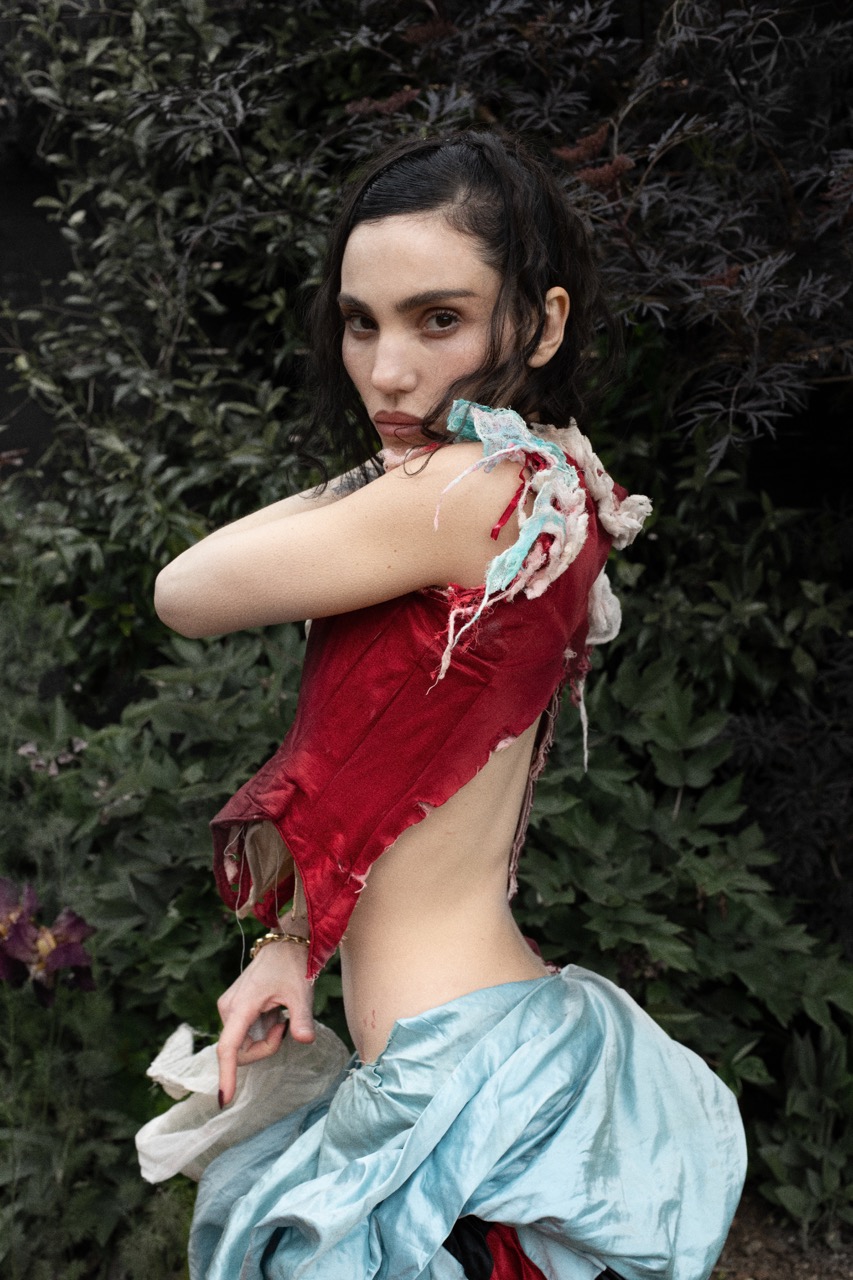
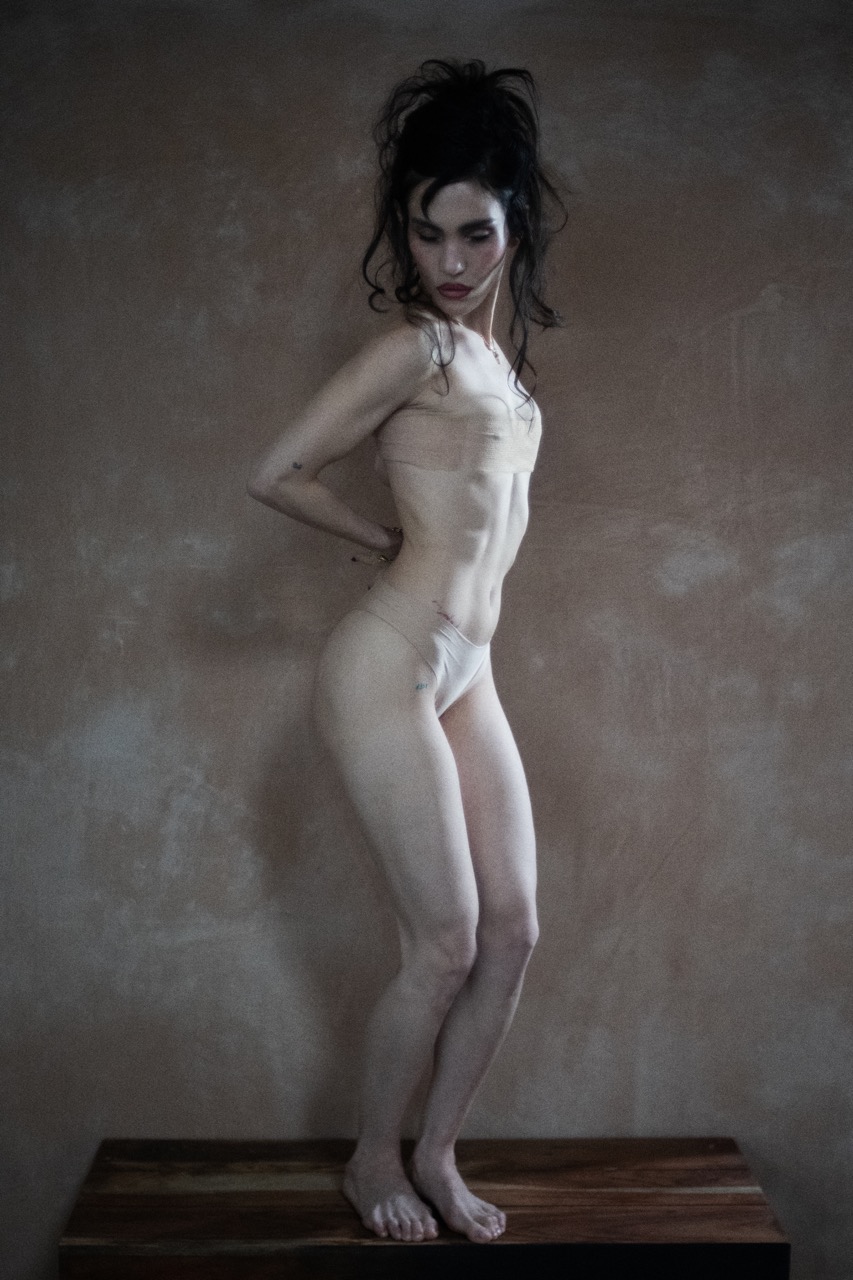
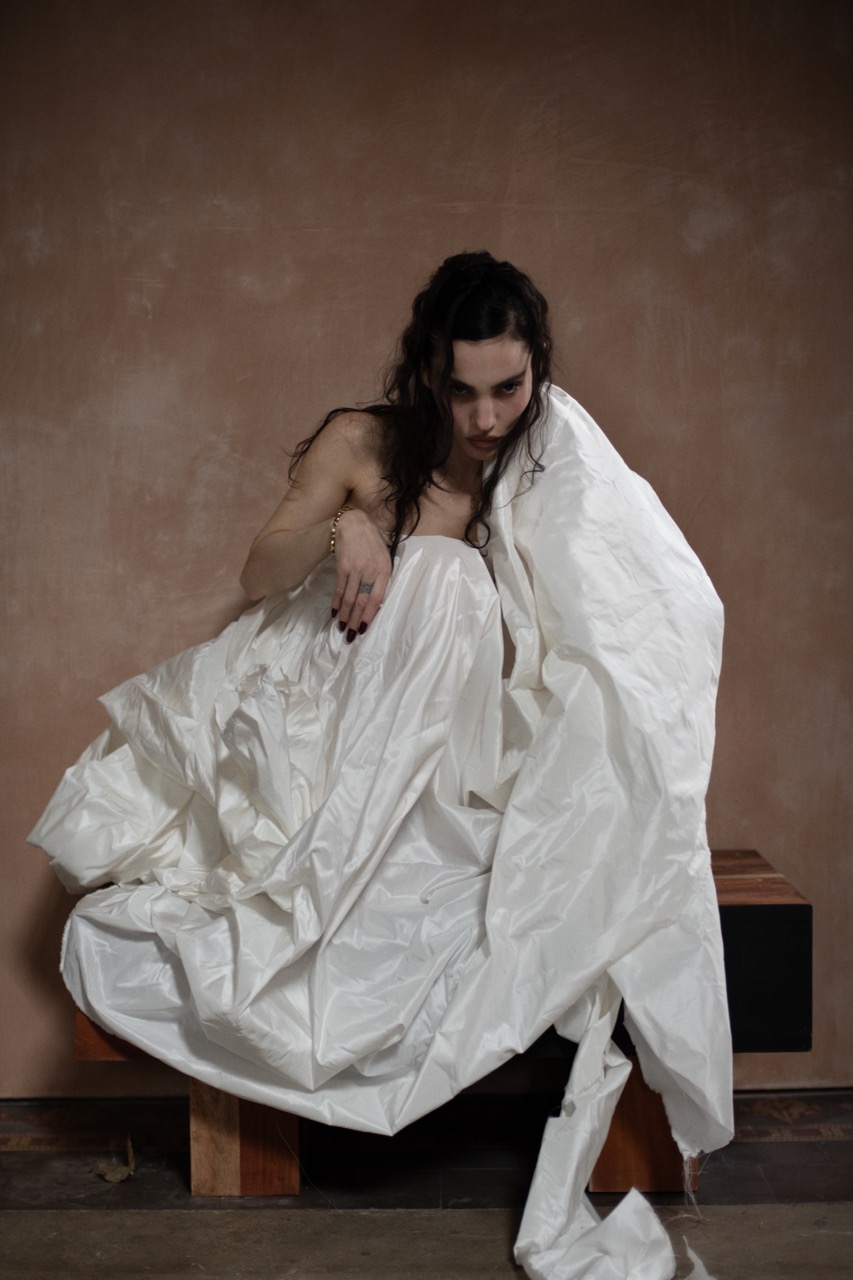
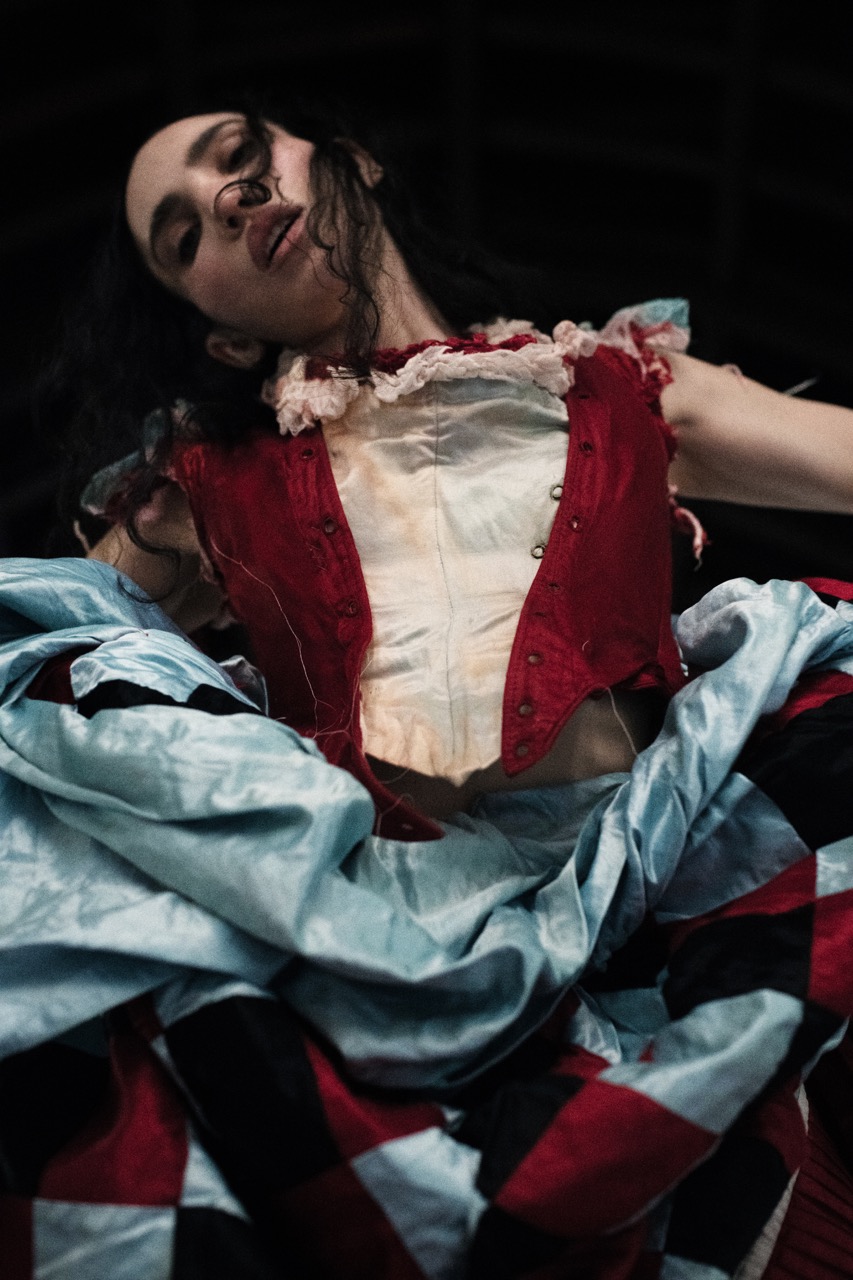
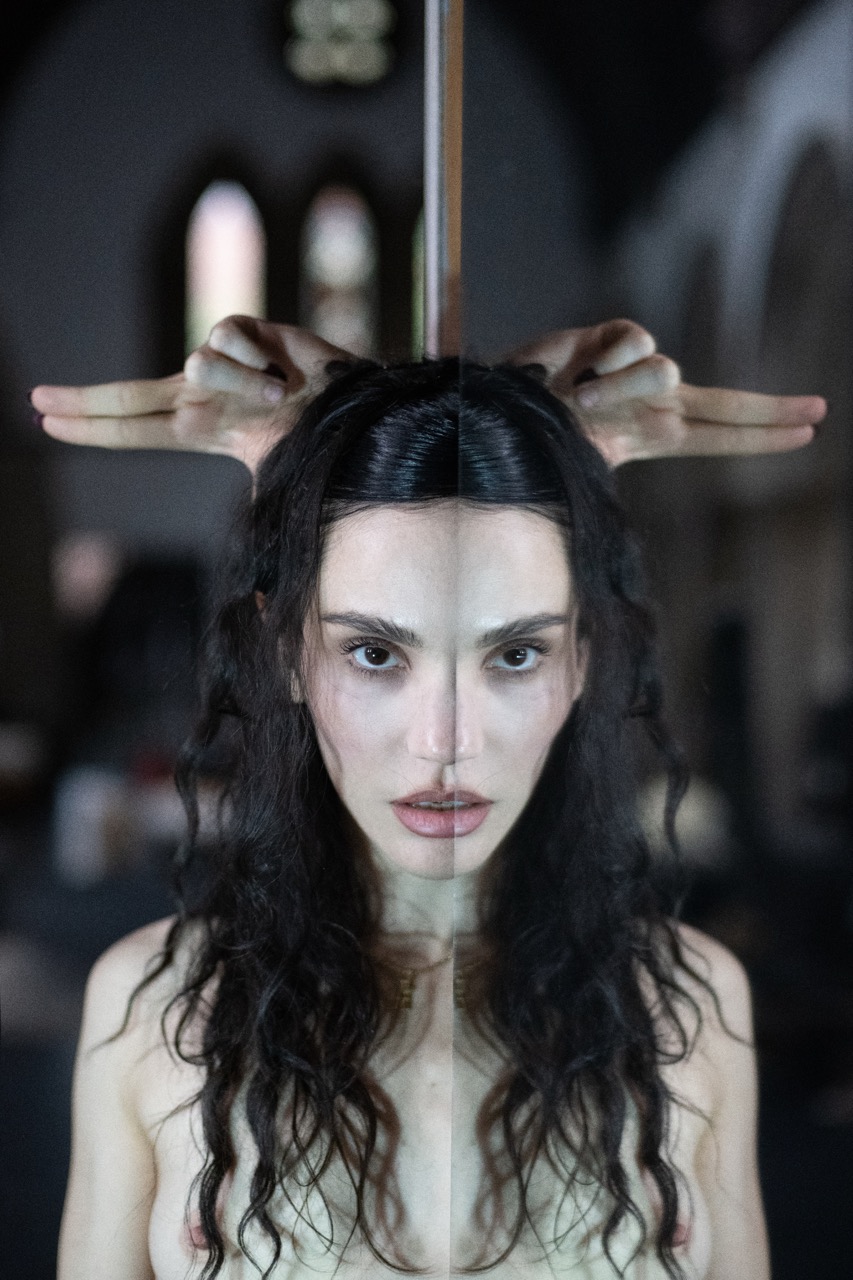
Daniela Lalita, the Peruvian-born artist making music that draws from Gregorian chants, experimental electronica, deconstructed club, folk art, and avant-pop, happens to have just released her new single Tiroteo, and its accompanying, entirely self-directed music video, where cinematic scenes and intricate choreography are shaped by her contortionist physicality (probably inspired by her being raised with horror cinema and performance art). As she also happens to have a face card capable of slitting throats, you can imagine the video did not disappoint.
There is a deep sorrow at the center of Daniela’s work, an obsession with mortality and the unbearable fact that everything finite eventually disappears, but she approaches this darkness with curiosity rather than defeat. Under the supervision of her mentor Morton Subotnick, the electronic pioneer who developed one of the first synthesizers ever made, Daniela learned to stretch sound. But it’s her own drive, a truly rare care for her craft, that makes the songs into the works of art that they are. She treats them all preciously, builds them all by hand, painstakingly surrendering herself to acts of obsessive patience, manually tuning microtones, delicately threading dozens of vocal layers together, deliberately imposing technical limitations in pursuit of something more human, to the point that it sounds more like something above humans, and how I imagine the afterlife to sound like.Her forthcoming EP, conceived as the prologue to a larger album arriving later this year, revolves around catastrophe in its earliest form. Daniela describes it as an attempt to stretch a 0.1 second sting into a 25 minute experience. On Tiroteo, destruction becomes metamorphosis, inspired by the way caterpillars dissolve and become a whole new insect. The second song on her EP, TAC TAC, was made with cult favourite producer Mietze Conte while using only Ableton stock plugins. It embraces a kind of feral innocence, playing with sound with the logic of children inventing rules as they go.
Her work insists on you feeling grief, ecstasy, terror, rebirth and desire fully, and with all your senses. Few artists working today understand transformation as deeply, or stage it as beautifully, as she does.
While stalking your old Instagram posts (for research purposes), we found one caption that just said “volume is the most underrated tool.” It feels central to your whole universe — can tell me if you still relate to this (perhaps random) caption?
Oh yes, haha, I live by this. I remember when learning to compose with Buchla [a pioneering modular synthesizer], my teacher Morton used to tell me that the most important and underrated tools for composition were volume and reverb. At first, it seemed quite punk, and maybe too simple, because at the time I was diving into all these new plugins and effects and possibilities. But as time went by and I spent more time producing and focusing on sound design, I realised the power behind that statement. I mainly use EQ’s to shape audio, like plastiline. It feels like chiseling something down or up, which happens by altering volume levels at different frequencies so… What he said was true, haha. Volume is by far the most important, underrated and maybe underused tool for music production.
How does your near-monastic way of working with Buchla transfer to other parts of your life?
I think studying composition from the angle of music technology gave me a very holistic understanding of sound and music, to the point where I began seeing the balance and expression of everything in how sound is made. I think sound is very spiritual. Its mechanism is spiritual and existential, and in a way, I see god in it. It pushes me to see the beauty in things going wrong or right, and accepting the duality of this life and this world.
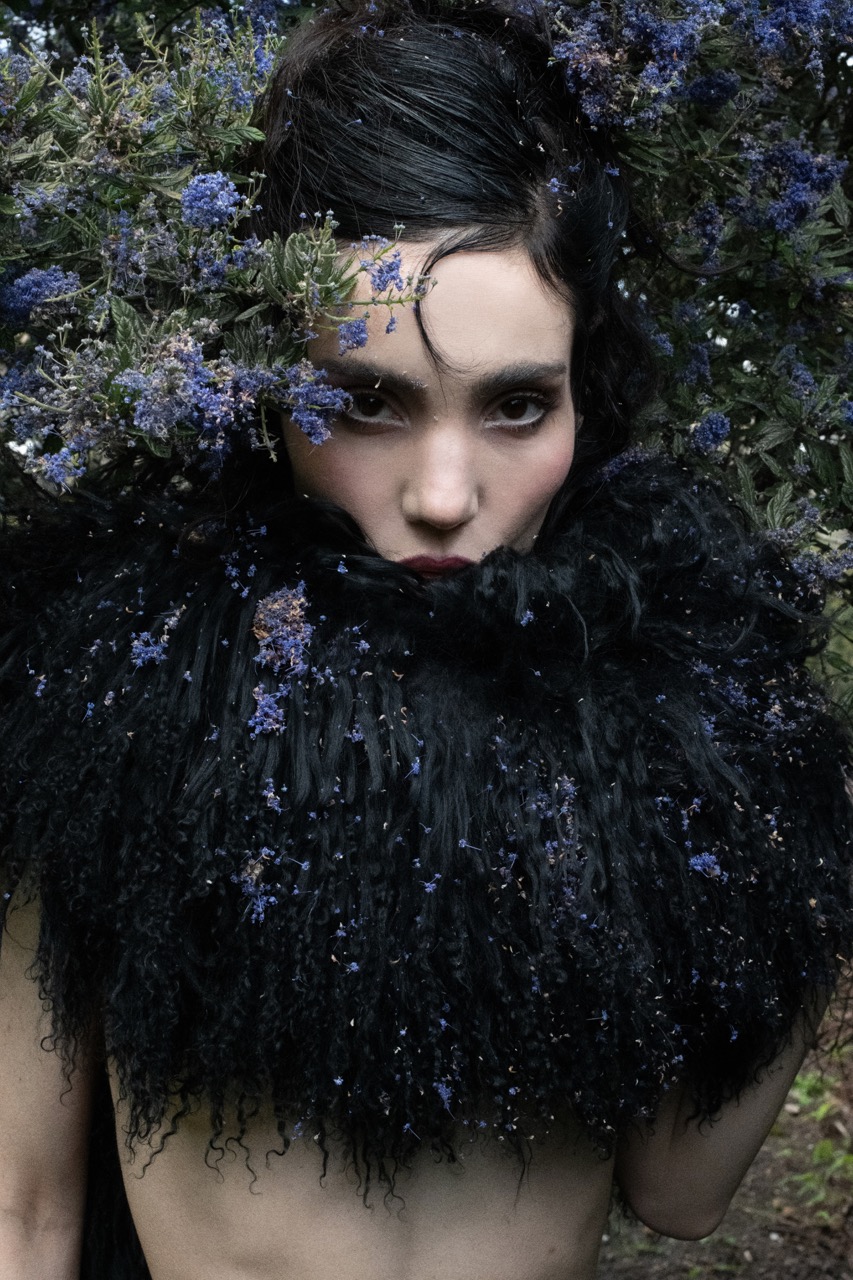
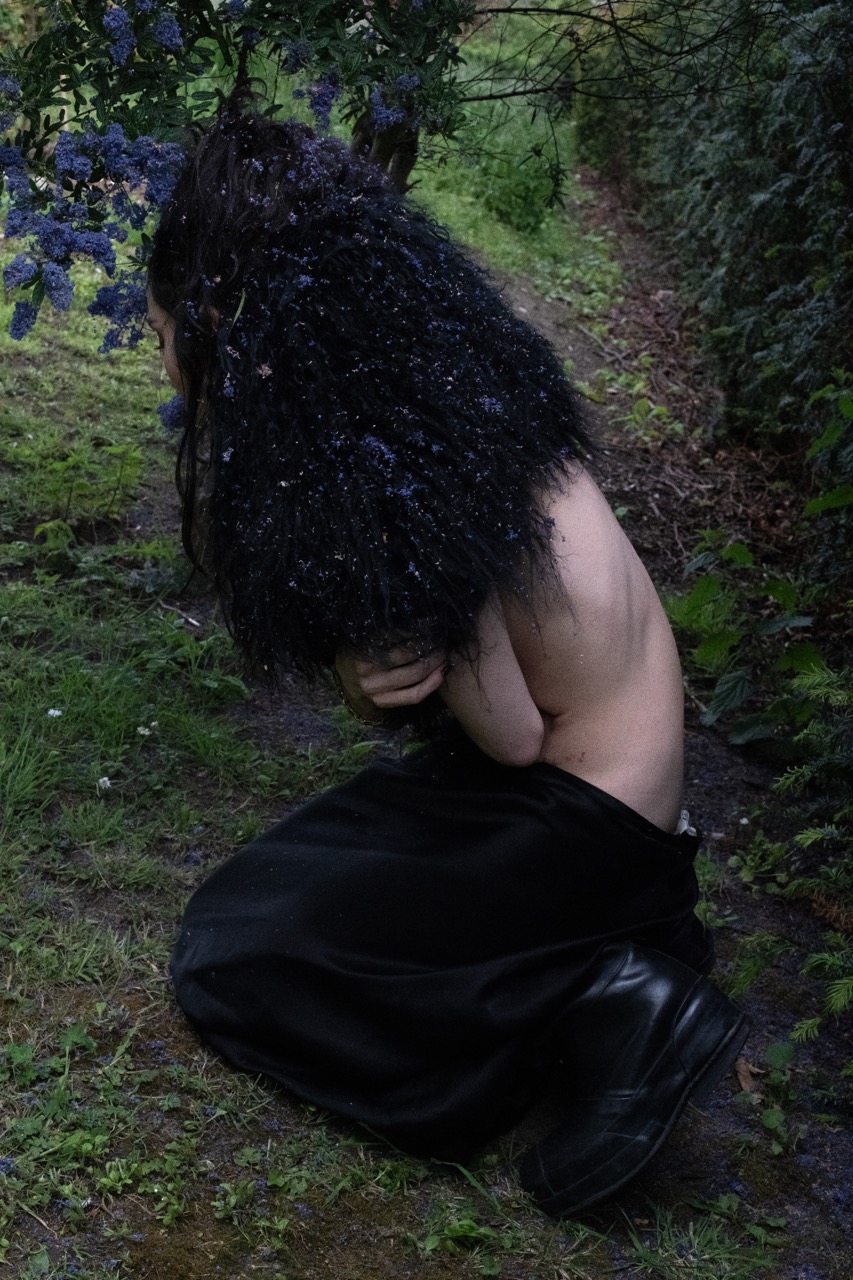
“Slowness isn’t important to me, capturing the truth is.”
Your voice is capable of murmurs, chants, choirs, and even glossolalia-like textures. I love how you can feel how you’re inspired by both Gregorian chants and metal guitars. What are some of your favorite musical references right now?
It’s been oscillating between pop music and specific frequencies on YouTube. 432 Hz or 9 Hz are often playing in the background while I make things. Then when it comes to pop, I have respect for good pop music and I want to understand the code, the secret behind popular songs and what aspects of them unify big groups of people. I think anything that builds communities and moves people sparks curiosity in me. The following songs are not unconventional per se, but I’ve been looping these same songs over and over again: Rachels Song by Vangelis, Catch Hold by Johnny Greenwood, and the whole Phantom Thread album. I have been listening to a lot of Russian film composers from the 80’s, especially Eduard Artemyev. I am completely obsessed with him, his music has been scoring my life these past 3 years. The Casanova album by Nino Rota means so much to me. I’ve been playing these obsessively, as if I want a bit of it all to sync into my production, haha.
On Trececerotres your sound was haunting, contemplative, you explored grief, sex, faith, hope, and death. Your EP is still about grief and death, but feels much more upbeat. There’s this high-pitched, almost childish voice, very different from the harrowing, low, choir-like voice in your earlier work. Tell me about how you’ve evolved?
I think the main difference between then and now is that I hadn’t really experienced death as I did after Trececerotres. My perspective on it was blissfully uninformed. I thought death was dark, somber, quiet. When really it’s the opposite. An explosion of sensations, everything becomes so acute, so painfully colourful, everything is too much to perceive. There is so much life in death and destruction, it almost magnifies life itself, so much that we can’t bare it, it’s too much to understand.
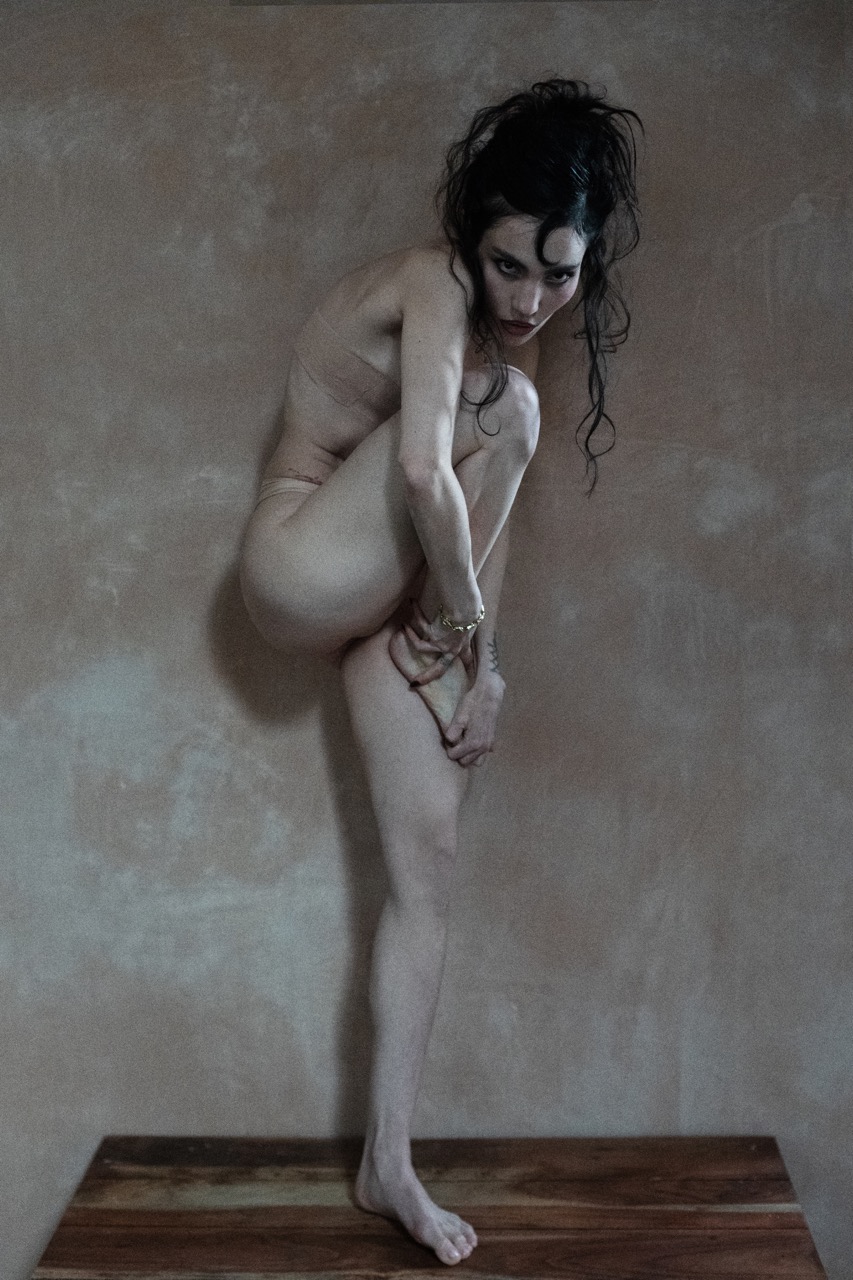
I read your note about making TAC TAC with Mietze Conte — using only Ableton stock plugins, stacking and misusing sounds almost like children playing without rules. It feels very playful, naive. But I also know how intricate, time-consuming and detailed your process is, almost like a devotional practice — manually tuning microtones, spending hours threading voices together, limiting yourself technically on purpose. How did you make those ends of the spectrum work together?
Honestly, it’s been hard to finalise that song mix-wise, but I think the nature of it definitely helps with leaving aside the perfectionism. We made it in two days and ever since it’s been finished the mixing journey has been insane. Nobody has been able to understand what’s happening, especially me. There’s something about the TAC TAC song, in the way Mietze and I made it, that when exporting the stems, something was lost in the kickbass, so I just had to mix it myself to keep the bass as it was intended to be. Which is terrifying, but also feels like a promise I made to an old friend. I like that it rebelled against my plans and demanded something else from my decisions. I think the devotion and ritual is still there, just the form and approach has changed. Like throwing flowers really fast to a deity in a religious festival. It’s in the commitment to it that process that I find my devotion practiced.
Why is difficulty or slowness important to your art?
Slowness isn’t important to me, capturing the truth is, however long that might take. I value dedication and I value things that feel genuine and loved.
You said this EP explores the initial feeling of catastrophe — the prick of a needle before the longer emotional aftermath explored on the album. I was really struck by your idea of expanding a 0.1 second sting into a 25-minute world with its own geography, religion, color story, and laws. When you’re building music, do you actually visualise these worlds at the same time? Do you live inside this world when you’re creating?
I think I feel I’m in it more than visualising it. It feels like my reality and my fantasy blend all the time, for sure. Using my voice in these next two projects felt like method acting, accessing the emotions over and over again, like characters. Sometimes pretending to be one of the many conflicting emotions we feel when something hits. Then when building the visual world, like in Tiroteo, certain ideas just felt like they belonged there. Brutal big monumental spaces, cold materials, big ships, strong shadows, shots that felt claustrophobic due to how many bodies were stacked together, or how big the building felt in comparison to the characters, multitudes, gears, obsolete machines, slow motion shots stacked with normal speed shots capturing the same moment so I could edit them together… it all just came naturally, as if following a trail to something that had always existed. It’s like having a conversation with your subconscious.
“There is so much life in death and destruction, it almost magnifies life itself.”
Speaking about Tiroteo, that track sounds even more upbeat, but feels lyrically much darker than TAC TAC. There’s this idea of surrendering completely to suffering in order to become someone new. Tell me about it.
I love the idea of using one’s dissolved self to nurture a new version and create life. The destruction is as welcomed and valued as the construction.
Did making these songs change your relationship to mortality at all?
I think they allow me to connect with others in a way that feels pure, untainted, spiritual even. That makes me love life even more. My main purpose in this is connection.
Do you think making art actually transforms suffering for you?
Absolutely. It allows me to alchemise constantly, and make that into something with purpose, a message for someone who might be going through something similar. Even when they don’t understand the words, feeling the truth of what I was going through is permeated in the song and someone out there resonates with that. It’s so beautiful. It gives meaning to me.
You direct many of your own videos and really put your body on the line physically in your performances (I’m also thinking of your clip for the song Pisoteo). What draws you to that kind of intensity? Also: do you have a hard time trusting others, lol?
Hahahaha, it does come across like that, doesn’t it? I began directing out of financial convenience, and weirdly, sometimes it’s happened by mistake or by not having another choice, but now, after directing Tiroteo, I have realised I really do enjoy it. I love working with big groups of people and chasing the magic, the fantasy behind the visual world of my songs. I didn’t plan on directing Tiroteo, in fact, I had two weeks to prepare for it, haha… but it felt like things were aligning. Directing and editing Tiroteo was a beautiful experience, regardless of it being time-consuming and exhausting. It’s what I imagine giving birth to be like. And I weirdly enjoy the adrenaline, the calls, and chasing the impossible. I don’t find it hard to trust others, I just know by now when something is right and when it’s not, almost like I know my child and what it likes to eat and how it plays lol. I find collaboration and teamwork to be the best part of creation, but I find it necessary to be about chasing the truth.
Your work references horror cinema, religious iconography, silent films, and surrealism. Which filmmakers shaped your imagination the most?
I think this shifts all the time, but I remember early in my childhood when my mom would go to work at night, I would watch horror shows and movies on the TV by myself. Then a ritual between her and I was to watch horror movies every weekend. As time has gone by, I’d say different elements from different films have had an impact on me — like the backdrops in Kobayashi’s Kwaidan, the ghost from Kitamura’s Kairo made a huge impact on me for movement, the costumes, colours and props in Fellini’s Casanova. The snow scene from Dreams, The Matrix of course. Puppetry, set design, stop motion, anything that has worked hard to achieve its own language, I’m inspired by. I love Herzog’s documentaries on nature, and his monologue on the birds screeching in agony, and wondering if fishes have souls, I think that’s very inspiring. I ask myself those things too, so it’s nice to hear it out loud. I also think a lot of my visual references come from my own dreams. I experience them in a cinematic way, almost as if I were behind different cameras, experiencing the same scene from different angles and lenses.
You’ve spoken about your grandparents working closely with the Asháninka community in the Peruvian jungle. How has that background shaped your music? Has it influenced your new work at all?
I think in the way they would relate to the earth, to the soil, the spiritual world and to the presence of god in nature. Those lessons have stayed in my family and I grew up praying to the forces of nature.
You’ve talked about social media “killing something” when you over-explain your process, do you think mystery is necessary for art to stay alive?
I think being honest and true to oneself is necessary for one to effectively be a vessel and be able to transport art from the muses to the audience. I think artists are like instruments that allow us to converse with the spiritual world. I think taking care of ourselves, honouring our truth and our boundaries, helps us become better antennas, better receptors to these messages.
Words by Pykel van Latum
Photography by George Rouy
Creative direction, styling, hair and make-up, edit and retouch by Daniela Lalita
This interview originally appears in Glamcult #144, THE NOISE ISSUE. Shop the print magazine here.