Mahler Said Category Is…
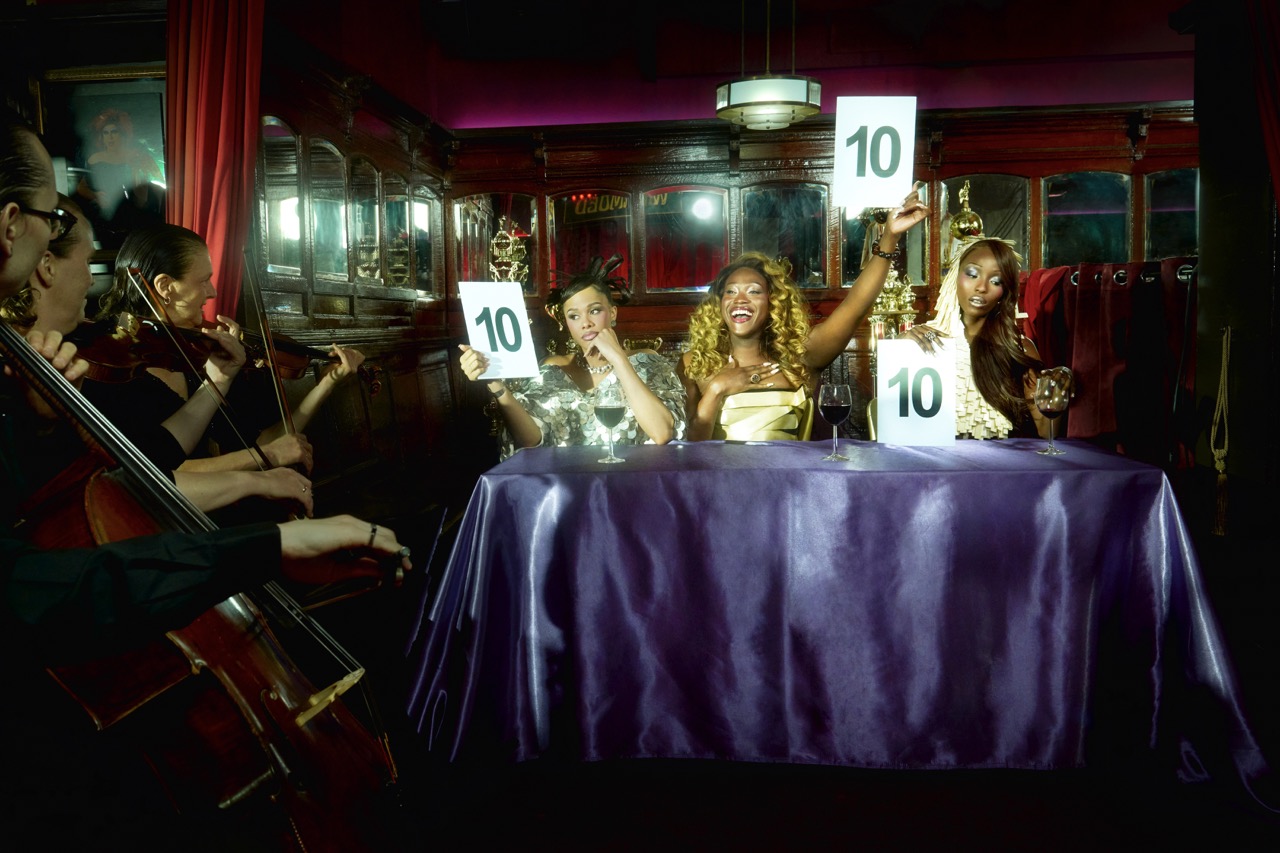
Amsterdam’s official Pride weekend might have just ended, but that doesn’t mean we’re done celebrating the culture. Born in Harlem’s underground, founded by Black and Latinx trans women, Ballroom will now be taking the stage at Amsterdam’s Concertgebouw—string orchestra included. Talk about taking up space and upward mobility! Ballroom was built from the margins — creating chosen families, a whole vocabulary, a visual language, and a standard of excellence that the rest of the world is still trying to catch up with. Decades later, Ballroom is everywhere. Now, for OPUS 1, Black Pride Ball Amsterdam and Amsterdam Sinfonietta are bringing performers from Amsterdam, Paris, and New York to battle it out while Mahler, The Ha Dance, and I Will Survive share the same playlist. Why choose between a symphony and a serve?!
We sat down with some of the key figures behind the event: Zoe Bab, Zelda Dapaah, Perry Gits,and Tanatswa Gumbwa to talk about bringing Ballroom, classical music, and queer excellence into the same room.
Whose idea was it to put ballroom and a string orchestra in the same room? What made you come to that conclusion?
Zelda: It all began when I met Candida Thompson, director of the Amsterdam Sinfonietta, at the perfume store I was working. At the time, I had only recently entered ballroom and was already MC’ing. From the moment we met, Candida and I knew we wanted to collaborate. My first idea actually had nothing to do with a ball. I imagined bringing the orchestra into the club through DJs. I was inspired by artists like Jeff Mills, whose collaborations with orchestras showed how electronic music and classical traditions could coexist. But sound alone wasn’t enough. I kept craving a visual language. So the ideas continued to evolve. I went from imagining a commentator cypher to even wanting to remake Cinderella. I remember pitching that one to my family. Let’s just say… i got the memo…lol. Then it suddenly clicked: a ball. There was hesitation, because I strongly believe that balls should remain for ballroom, by ballroom. But I started speaking with elders such as Michael Roberson, who deepened my understanding of the history and purpose of exhibition balls. At the same time, mentors like crazinisT artisT (Va-Bene Fiatsi Elikem) reminded me that artistic creation is fundamentally about dialogue, experimentation, and asking questions. The central question became: What if ballroom’s Icons, Legends, Statements, and Stars performed alongside a live string orchestra? It felt grand, emotional, and unlike anything I had seen before. Candida immediately understood that feeling. Besides the artistic question another question led the set up: What happens when two seemingly different worlds meet? A concert hall and ballroom. An institution and a culture. Structure and improvisation. Europe and the African continent. Could they occupy the same stage without one consuming the other? That was when the real exchange began.
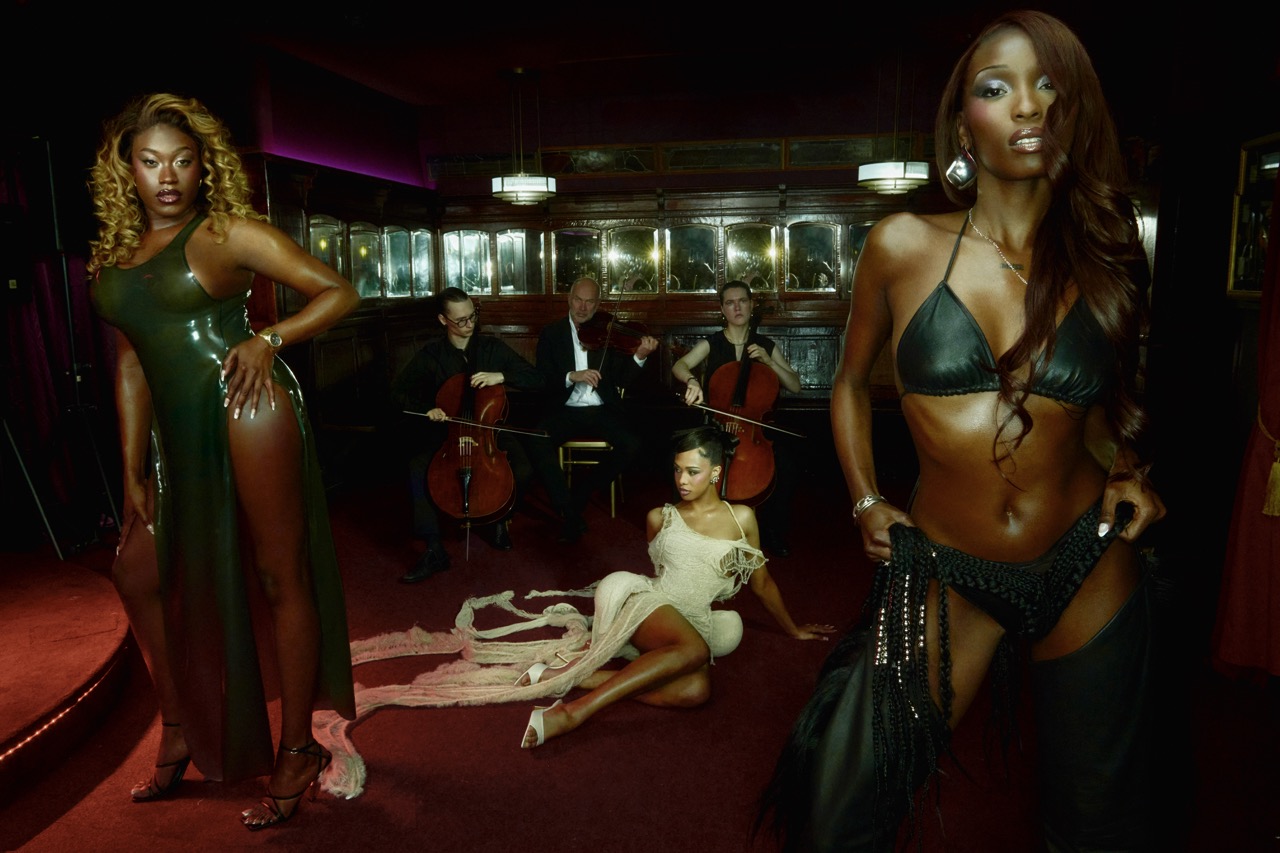
Ballroom has always been about creating space for communities that had nowhere else to go. What happens when that space moves into a concert hall? Perry: When Ballroom enters a concert hall, the reality of different worlds coming together also enters the space. It creates both opportunity and tension, and I find that artistic negotiation incredibly interesting. It reflects the way Ballroom itself has always existed: constantly navigating between different worlds while remaining true to its community.
For me, it is essential that we continue to acknowledge where Ballroom comes from and who created it. Ballroom was created and nurtured by Black and Latin trans women, whose vision, resilience, and artistry laid the foundation of this culture. Honouring that history and lineage is essential, because Ballroom carries the memory, strength, and creativity of the communities that created it.
At the same time, I see Ballroom as an ancestral form of expression. Something that carries memory, resilience and transformation wherever it is practiced. No matter where it travels, that lineage should remain visible, respected and protected.
Ballroom isn’t exactly known for meeting people halfway. How do you invite a new audience in without sanding off its edges?
Zelda: Ballroom is rooted in a rich cultural history. While ballroom itself emerged in New York through Black trans and queer communities, it also carries embodied traditions that stretch much further across the Black diaspora. If you look across the diaspora and the continent, you find echoes of movement everywhere. In Chad, there are dances with movements that immediately remind you of the duckwalk. In parts of East Africa, women whip their hair in ceremonial dances until they enter trance-like states. Classical music, of course, is also rooted in a long artistic tradition. That’s why I never really looked at this collaboration as ballroom meeting classical music halfway, or the two ecosystems dissolving into one another. I was much more interested in witnessing what happens when two fully formed artistic worlds meet. There wasn’t a blueprint for this. We couldn’t look at another project and think, let’s refine that. We were genuinely trailblazing, figuring things out as we went. So in a way, we kept the goals simple: let ballroom be ballroom, let the orchestra be the orchestra, and built something that holds space for something special. For me personally, I wanted to create a moment where some of ballroom’s finest from around the world, like Ahya Simone, Trailblazing Icon Tracey Africa, and Icon Sinia Alaia, just to name a few, could come together in Amsterdam and share one of the world’s most prestigious stages with a renowned orchestra. I hoped it would be an unforgettable experience for the ballroom community, an exciting artistic encounter for the orchestra, and something audiences had simply never witnessed before. It wasn’t about making ballroom more accessible or sanding off its edges. It was about creating a moment that hadn’t existed before (on this scale) and inviting people to witness what happens when two artistic juggernauts meet.
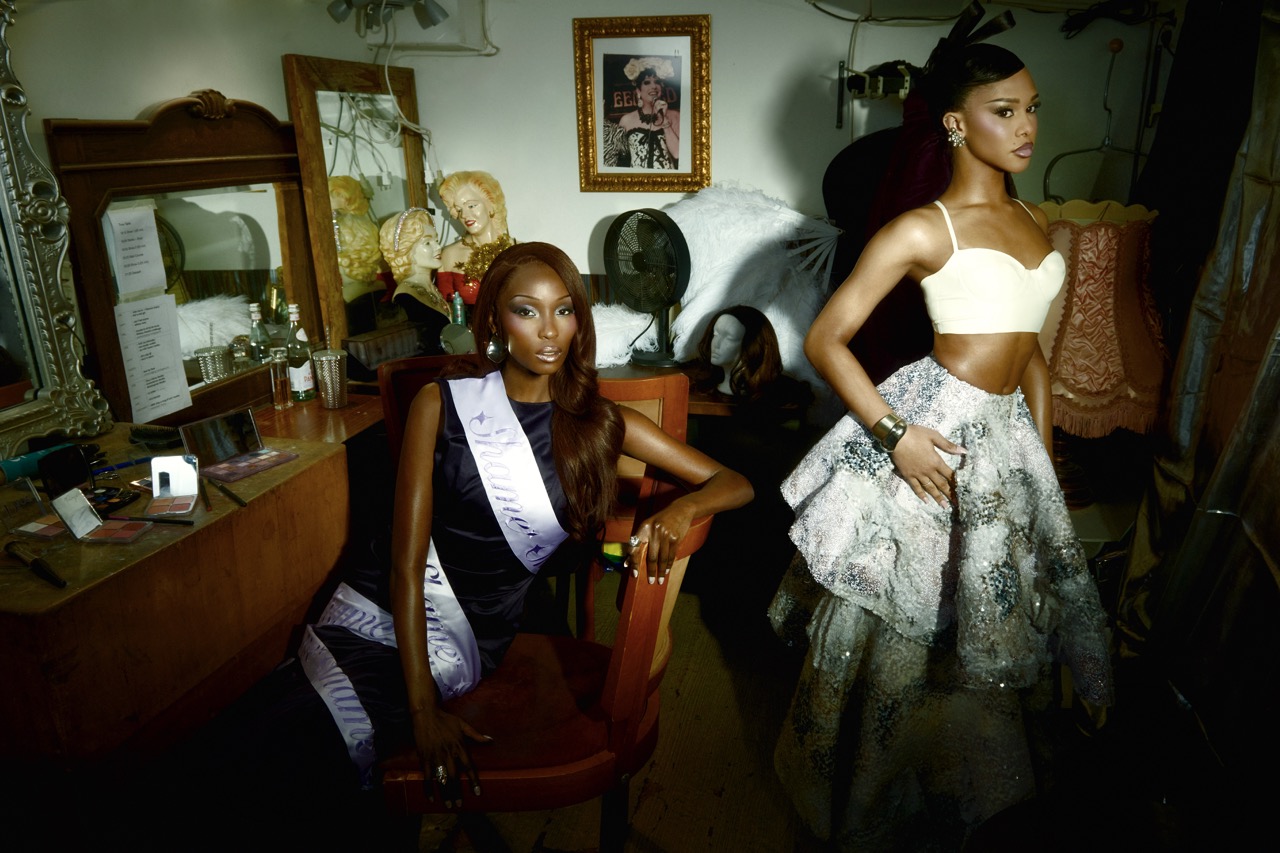
Was there anything the orchestra found surprisingly difficult about ballroom or the ballroom scene about the orchestra?
Zoe: I think the biggest challenge has been the cultural difference between the two worlds. The orchestra comes from a tradition that is highly structured and rooted in classical conventions, while ballroom is much more fluid, instinctive, expressive, and community-driven. We are still learning how to work together and, honestly, we are still figuring out how to meet each other in the middle. There have definitely been moments of friction and misunderstanding, but also a few beautiful moments of alignment and togetherness. But I think that is also the point of a collaboration like this: not to pretend that these differences don’t exist, but to really engage with them and find a new language together. We’re not completely there yet and that’s what makes the process real.
Can you tell us about how you first found the ballroom community and what it gave you that you weren’t finding elsewhere?
Tanatswa: I found ballroom quite organically through people around me and just being in creative spaces in London. Once I stepped into it properly, it just clicked. It felt like a world where I didn’t have to shrink myself or explain who I was; everything about you is seen and amplified. What it gave me that I wasn’t finding elsewhere was a real sense of chosen family, but also a space where being confident, expressive, and even a bit extra is actually celebrated, not judged. It really allowed me to grow into myself in a way that felt safe but also powerful.
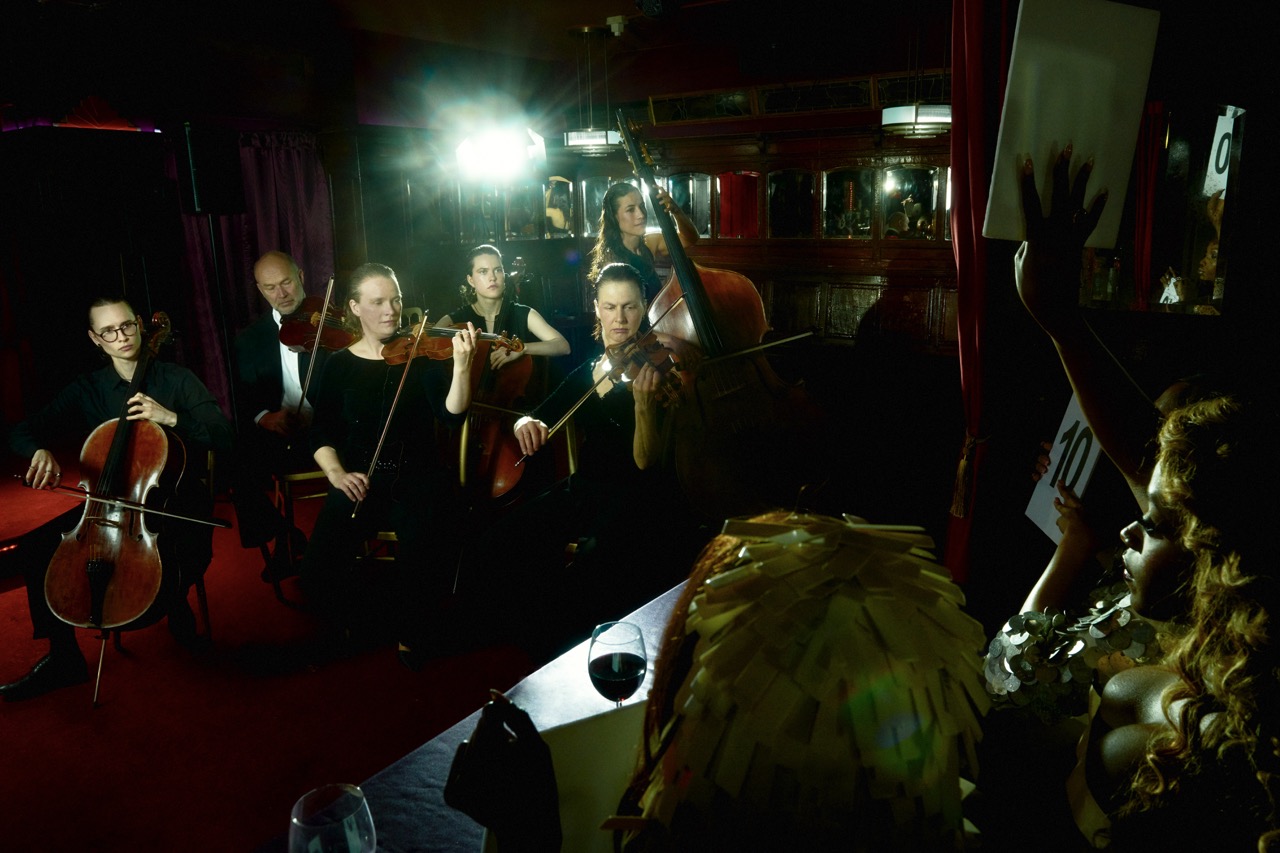
OPUS 1 brings together performers from Amsterdam, Paris and New York. How would you say these scenes differ? Can you immediately tell who is from where?
Perry: I assisted New York Mother Jonovia Lanvin and Priscilla McIntosh with the global casting for the performers. New York is the birthplace and mecca of Ballroom. Paris was the first major Ballroom scene to flourish outside of New York, and I would say Amsterdam comes next in terms of preserving the essence of the culture.
That said, we all take inspiration from New York. The mannerisms, the essence, the lifestyle, and the history of Ballroom all originate there. At the same time, I’m more drawn to the fashion and aesthetics of the European girls. Living in Europe, the sense of community also feels stronger and more personal to me.
London has a very distinct ballroom culture with its own history, houses, and forms of expression. How has being part of that scene influenced your performance style?
Tanatswa: London ballroom is so layered because everyone brings their own background into it, and I think that really shaped me. It made me more intentional with how I present myself, not just aesthetically but in my energy as well. Being in that space taught me that performance isn’t just about how you look; it’s about how you feel and how you make others feel. My style now is very much about presence, softness, but also control and knowing who I am when I walk into a space. It definitely made me more fearless in how I express myself.
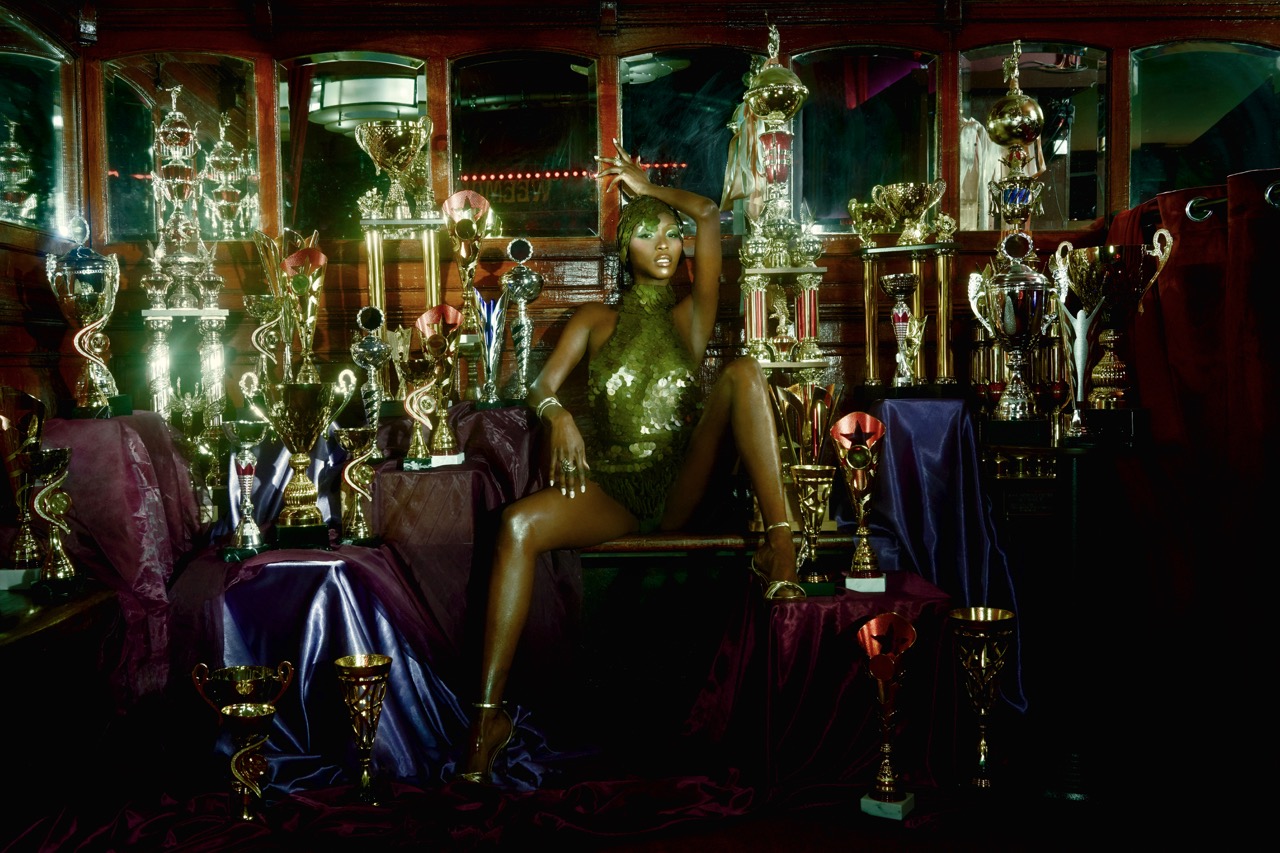
What does the category Face mean to you? And what makes a winning Face?
Tanatswa: Face for me is deeper than just being pretty. It’s about presence, confidence, skin attitude, and the story you tell when you walk. It’s that feeling where people can’t look away from you even in stillness. Competing in Face has always been about owning who I am fully and showing that in the most effortless way possible. A winning Face to me is someone who feels undeniable; it’s not forced, it’s natural, and you can feel their confidence before they even do anything
How did you prepare for this whole event?
Zelda: Candida started attending ballroom functions, while I continued going to Amsterdam Sinfonietta concerts. We spent years talking, discussing and questioning, and learning from one another, slowly developing the artistic language that would eventually become Opus 1 Ball. Throughout those years, I kept testing the idea with people both inside and outside ballroom, paying close attention to what resonated and what didn’t. And yes… I was careful about who I shared it with. Chile… let’s just say I knew I was holding on to something special. All jokes aside, the project grew as I grew.
How did your relationship with the culture shape what Opus 1 became?
Zelda: Can you imagine? I had been part of ballroom for less than five years when this idea first began to take shape. It needed that time. Every year my understanding of ballroom deepened, and every year the project evolved alongside it. During those years I also found my own place within the culture. I became recognised as the first commentator voice in the Dutch ballroom scene and was later appointed the first European Overseer of the House of Xclusive Lanvin. Alongside that, I had the opportunity to help organise and promote balls in Accra, Brussels, and Amsterdam, building relationships with ballroom communities across continents. Looking back, all of those experiences became part of the artistic vocabulary of the project. At the same time, my artistic relationship with Candida continued to deepen. Opus 1 Ball is the result of that gradual process of artistic research, reflection, and development.
For someone who’s never been to a ball before, what’s the one thing you hope they understand by the end of the night?
Zoe: I hope they understand what it truly means to feel alive. Ballroom is so much more than a dance or a performance. It is the dedication, discipline, and passion that goes into every movement, every look, and every category. But most importantly, I hope they feel the power of togetherness within the Queer Black & Latino community, a community that has created its own spaces, language, family and freedom. I hope people leave understanding that ballroom is a celebration of identity, hella resilience, self-expression and most of all black joy.
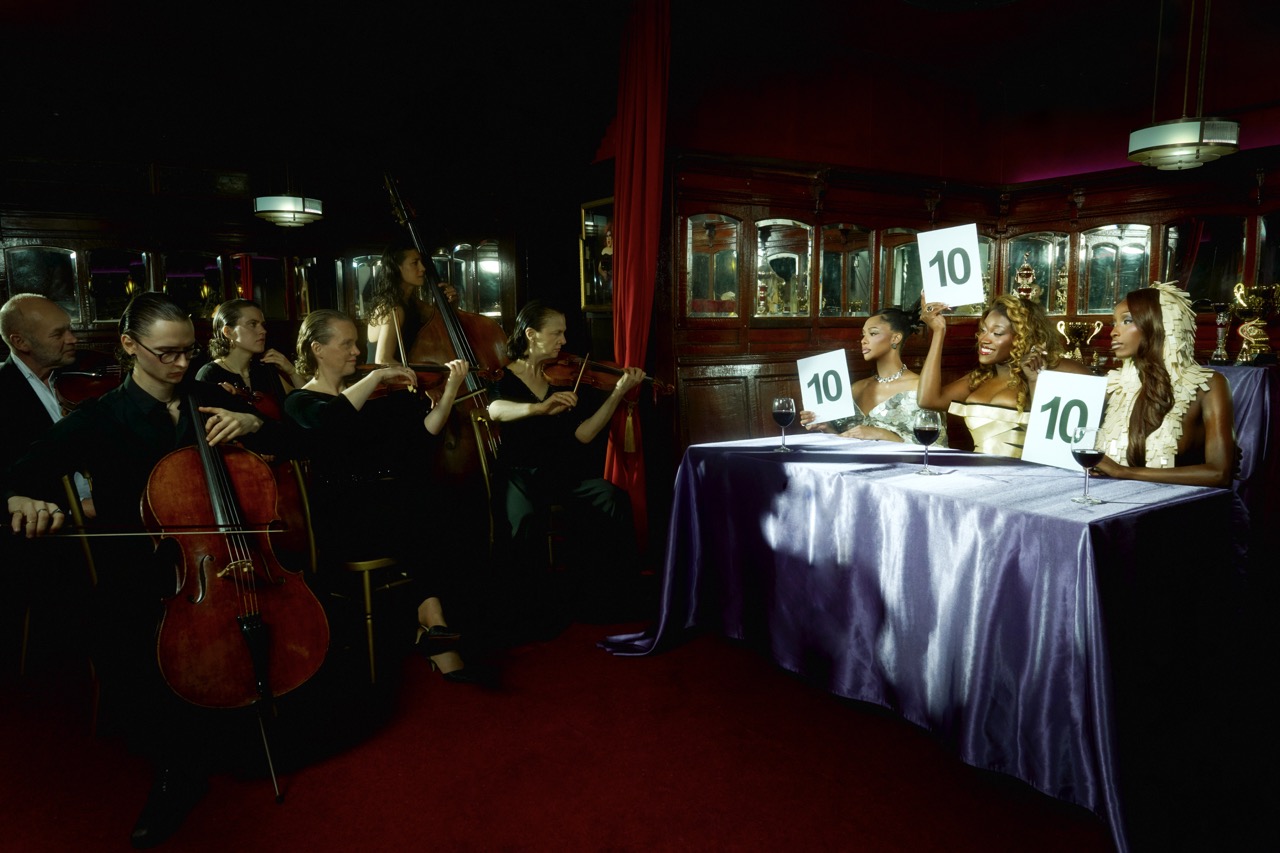
The Opus 1 Ball is vocally led by Zelda Fitzgerald Xclusive Lanvin, the first voice of the Dutch ballroom scene.
Concept by Zelda Dapaah Fitzgerald (FOR ALL QUEENS!) and Candida Thompson (Amsterdam Sinfonietta)
Produced by Black Pride ball Amsterdam, FOR ALL QUEENS!, Amsterdam Sinfonietta, Het Concertgebouw
Get your tickets here.
Words by @pykel
Campaign:
Creative Direction by @zoeelenibab @dionbal
Photography by @dionbal
Styling by @badramajjar
Set Design by @cherivaraisa
Hair by @yazzbratzz @virtuousstyless
Make-up by @thirza.king
Executive Production by @zoeelenibab
Production by @tyra.koning
Consultancy and executive direction by @mariah.careyy
PA by @tatsrose_
Runner @barroskini
Gaffer @tavarich_
Modeled by @gg.palmer @tanatswamoney @chanel.lcc
BTS by @esmasanches
Graphic Design by @floortoebes_
Musicians: @stefano__br1 @ingridvandingstee and Karen