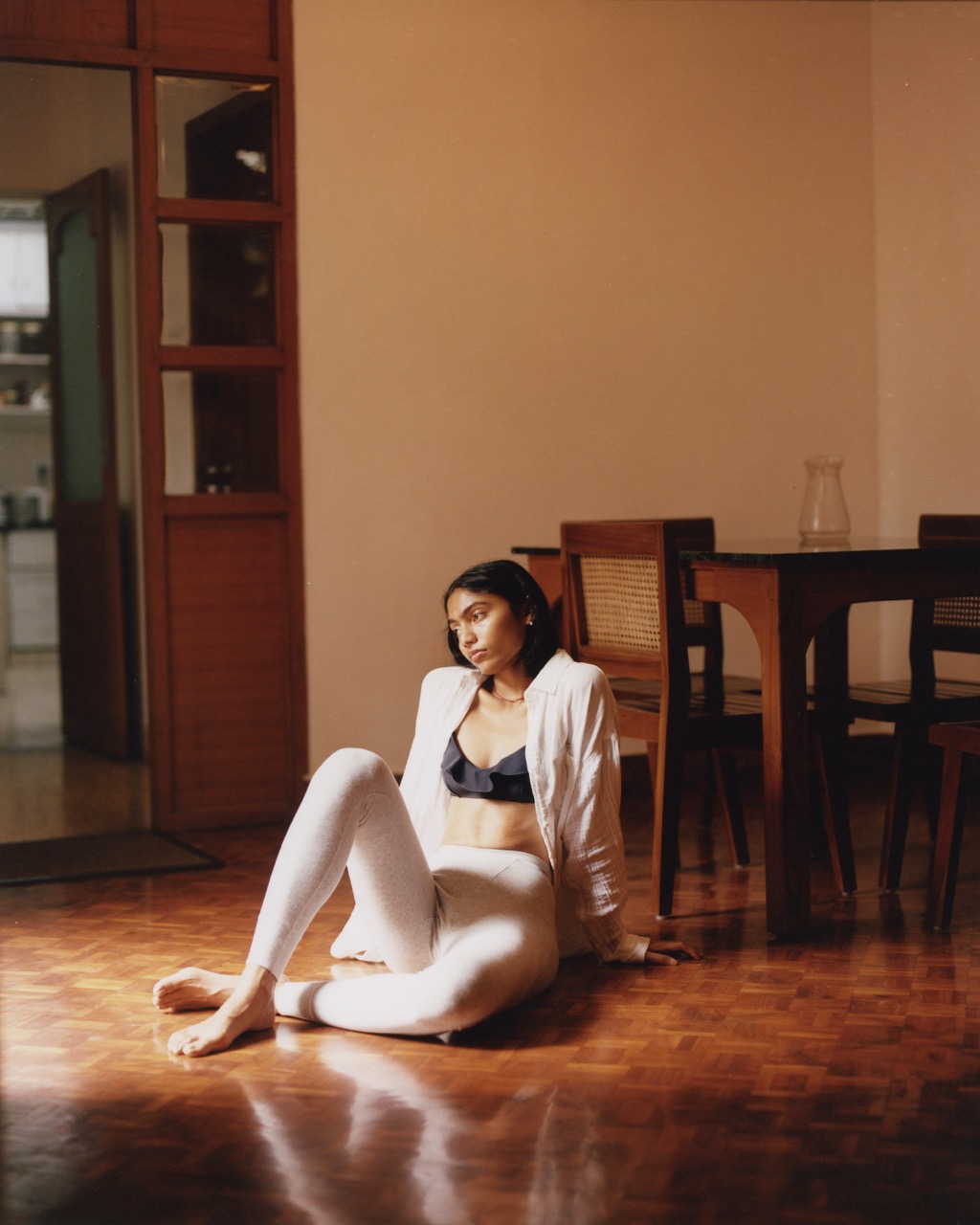
The best photographs are born long before light is trapped in a shutter and fixed into an image. Before composition, before exposure, before the technical choreography of seeing, there is recognition. A conversation. A memory resurfacing. For Keerthana Kunnath, photography begins there. Born in Kerala and now based in London, the photographer and visual artist has built a practice centered around female experiences, sexuality, identity, memory, and intimacy from a South Asian perspective. Notoriously nebulous, these topics are approached through atmosphere and gesture, as Keerthana’s subjects’ emotional worlds remain at the centre.
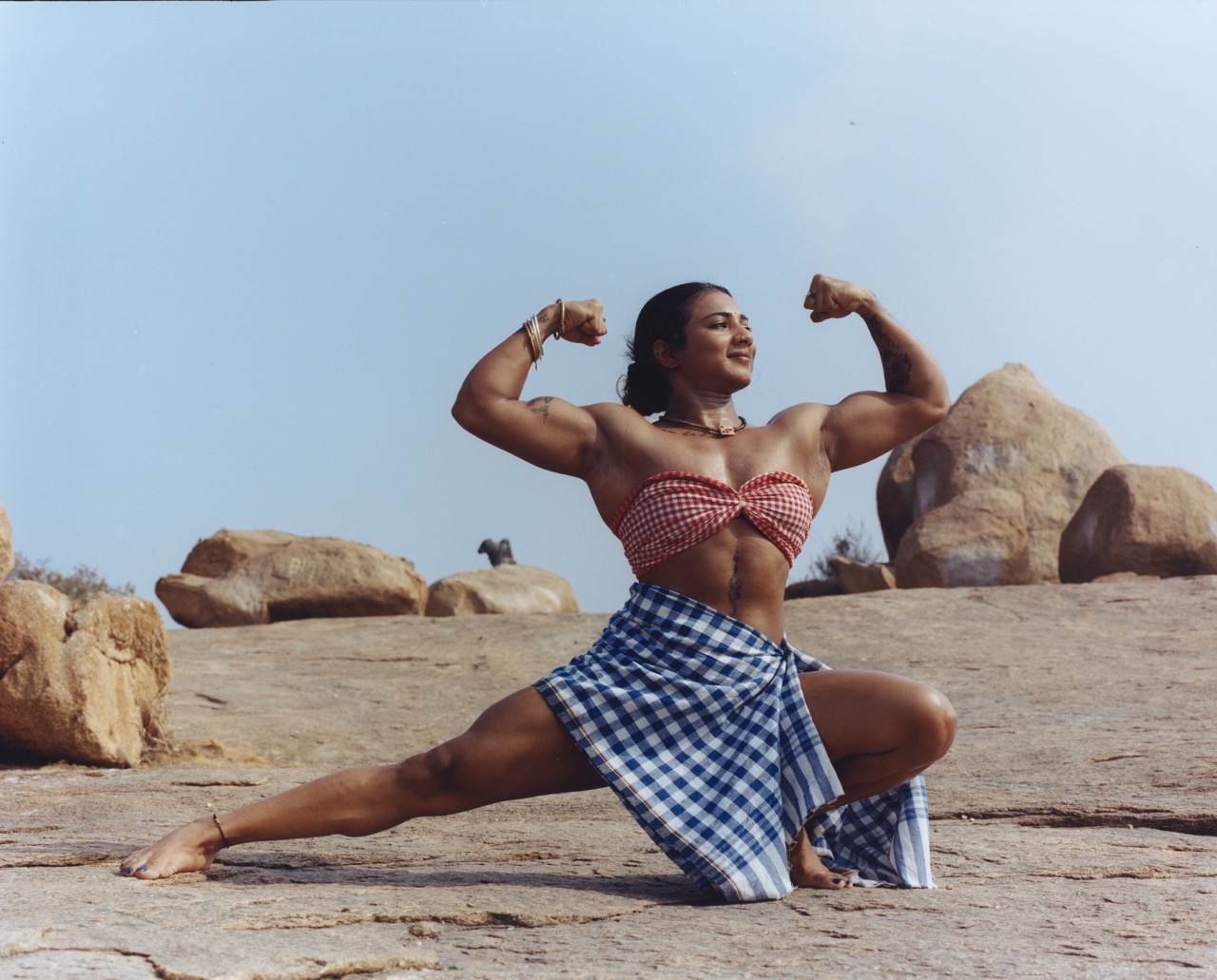
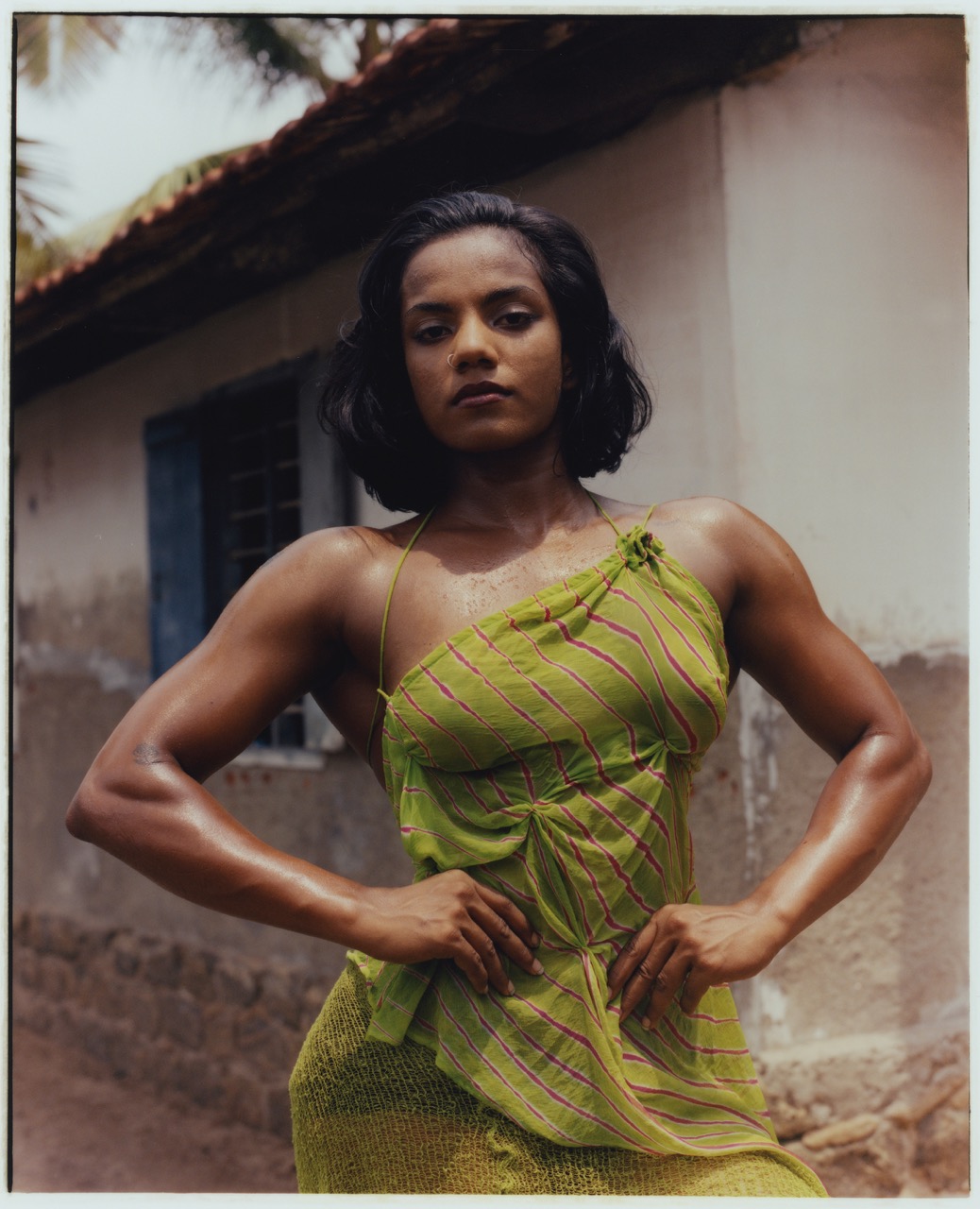
“I have a deep relationship with most of my subjects, which took a while to build,” she says. Trust is not a prerequisite to the image — it is the image. What happens before and after the shutter matters just as much as the frame itself. Take her ongoing project Not What You Saw, centred around Indian women bodybuilders. At first, she approached them through a more editorial lens: portraits of strength and bodies presented in deliberate confrontation with expectation. But over time, the work softened into something more expansive. “Now the project is very much sitting in their domestic spaces,” she explains, “of how there are multiple versions of oneself. There’s a mother, there’s a wife, there’s a sister, there’s a daughter. The bodybuilder is just one part of it.” That multiplicity is what Keerthana continually returns to: the refusal of singular narratives around womanhood. Especially within South Asian contexts, where the orientalist gaze often simplifies women either to devotion or rebellion, modesty or liberation, victimhood or empowerment, Keerthana’s portrayal of ‘identity’ transcends simplified dichotomies into something lived, negotiated, and carried through the body.
And always, it begins with conversation. “I always tend to start by sharing my own experiences,” she says, “whether it was trauma or anything specific related to that space or memory. It almost puts a bridge between both of us.” So much of photography historically has extracted from its subjects, yet Keerthana’s process instead feels reciprocal, almost devotional. The shot arrives after an emotional exchange. “It has always helped them to feel the trust or the ease to share their experiences as well.” And it’s the visibility of care and celebration, rather than trauma, that makes her work feel so close. “It could simply be that because I had a conversation with my subject,” she says, “maybe they feel like it’s okay to have that conversation with their friend or their mother.” The image becomes secondary to the ripple effect created by the process itself.
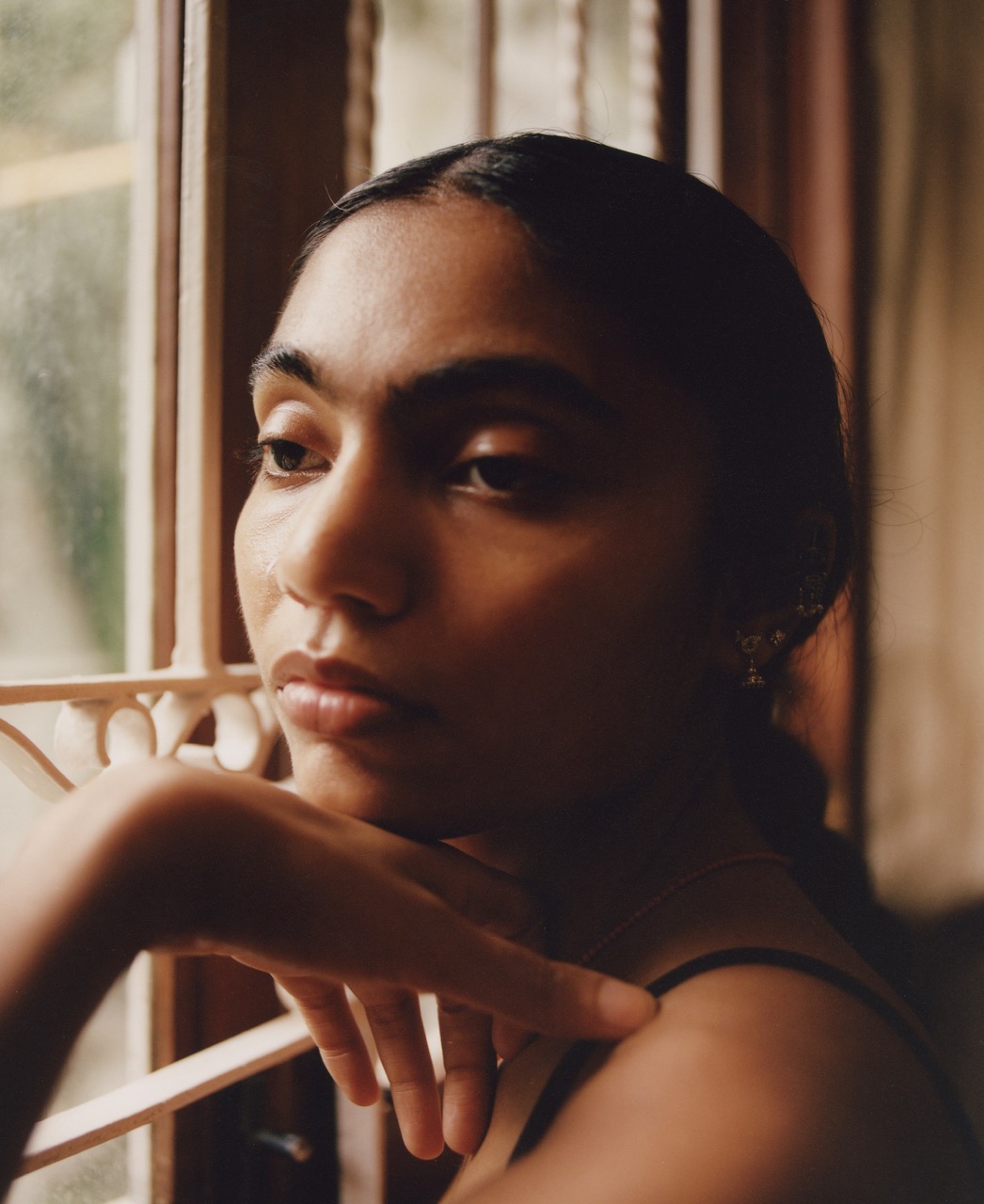
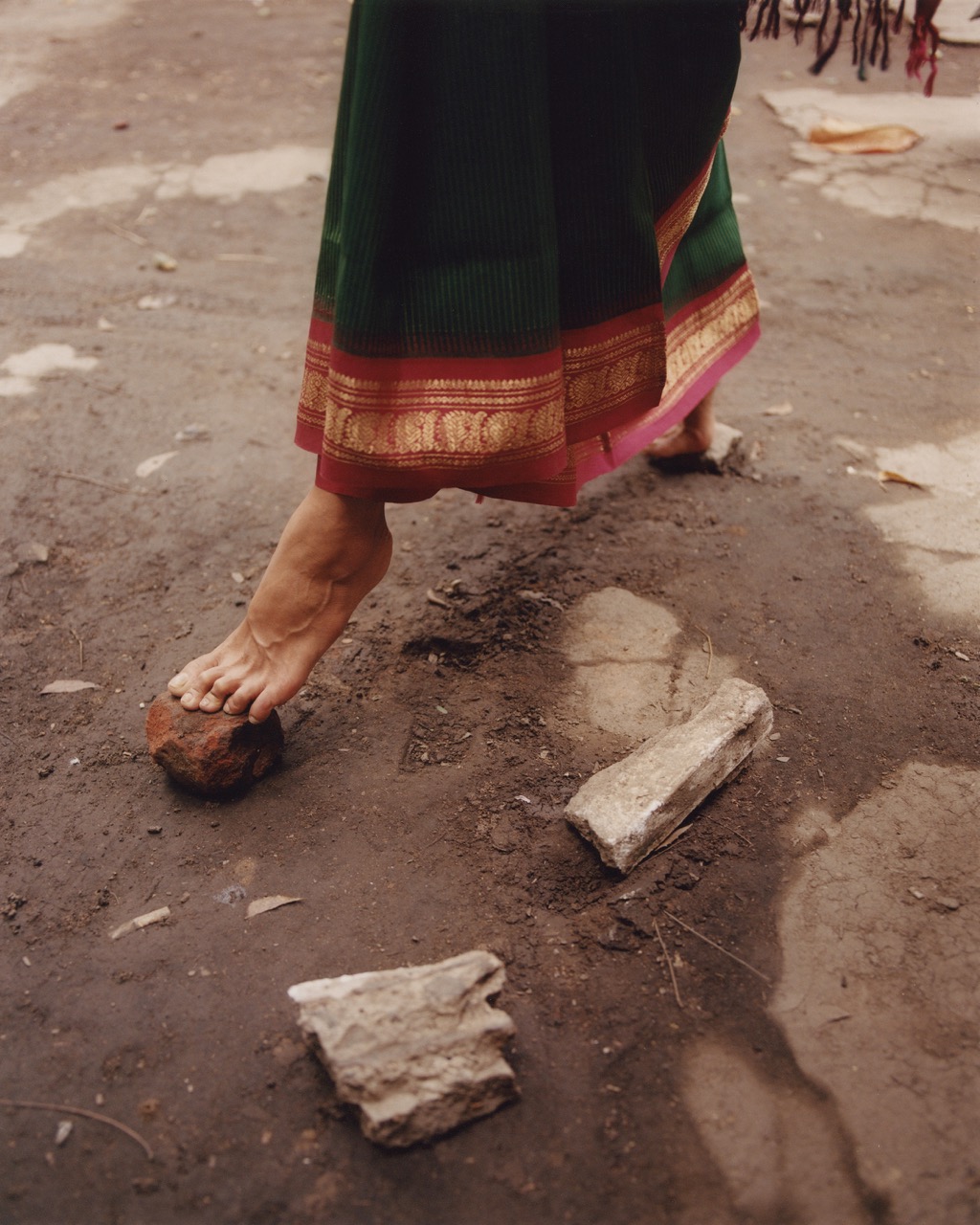
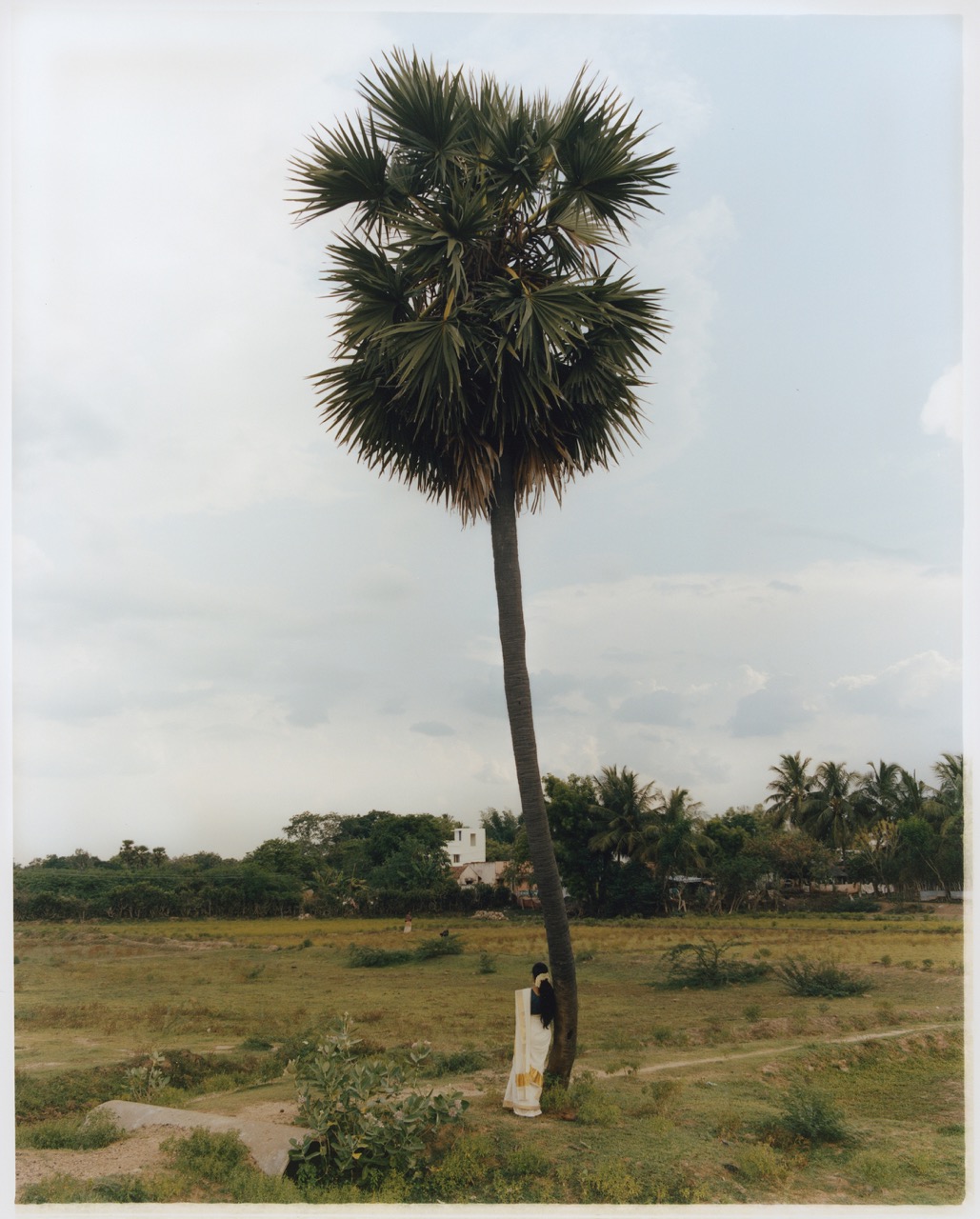
The origin of many of her projects is deeply inward. Her series Joy of Small Things, inspired by The God of Small Things — Arundhati Roy’s seminal novel, which traces how small, almost imperceptible moments alter the emotional architecture of a life. Much like the novel, Keerthana turns to memories and objects that make up her personal system of symbolisms. “I didn’t have a great relationship with my mother,” she says candidly. “That’s been quite a rocky one since childhood till now.” For a period, she began taking trips with her mother to temples across Kerala. Her mother is deeply religious, and temple visits had once been central to family life. “I thought she would have enjoyed it. It was me trying to understand her.” The photographs that emerged from those journeys are intimately observational, yet beneath the surface, the work feels intensely autobiographical. “If you ask me now, would I do those trips? Maybe not,” she says frankly. “But for my mother, it meant a lot. I always try to find connections to my past and my childhood in most of the projects I do.” For the viewer, too, there is a meditative quality to her work that allows us to drift into our own emotional terrains. “There are certain works of photographers or musicians or films, where you actually get zoned out to a certain state, which probably has nothing to do with that thing, but it’s your past experiences and traumas being reminded.” Photography, then, becomes about sentimental activation, a place where unresolved feelings rise gently to the surface.
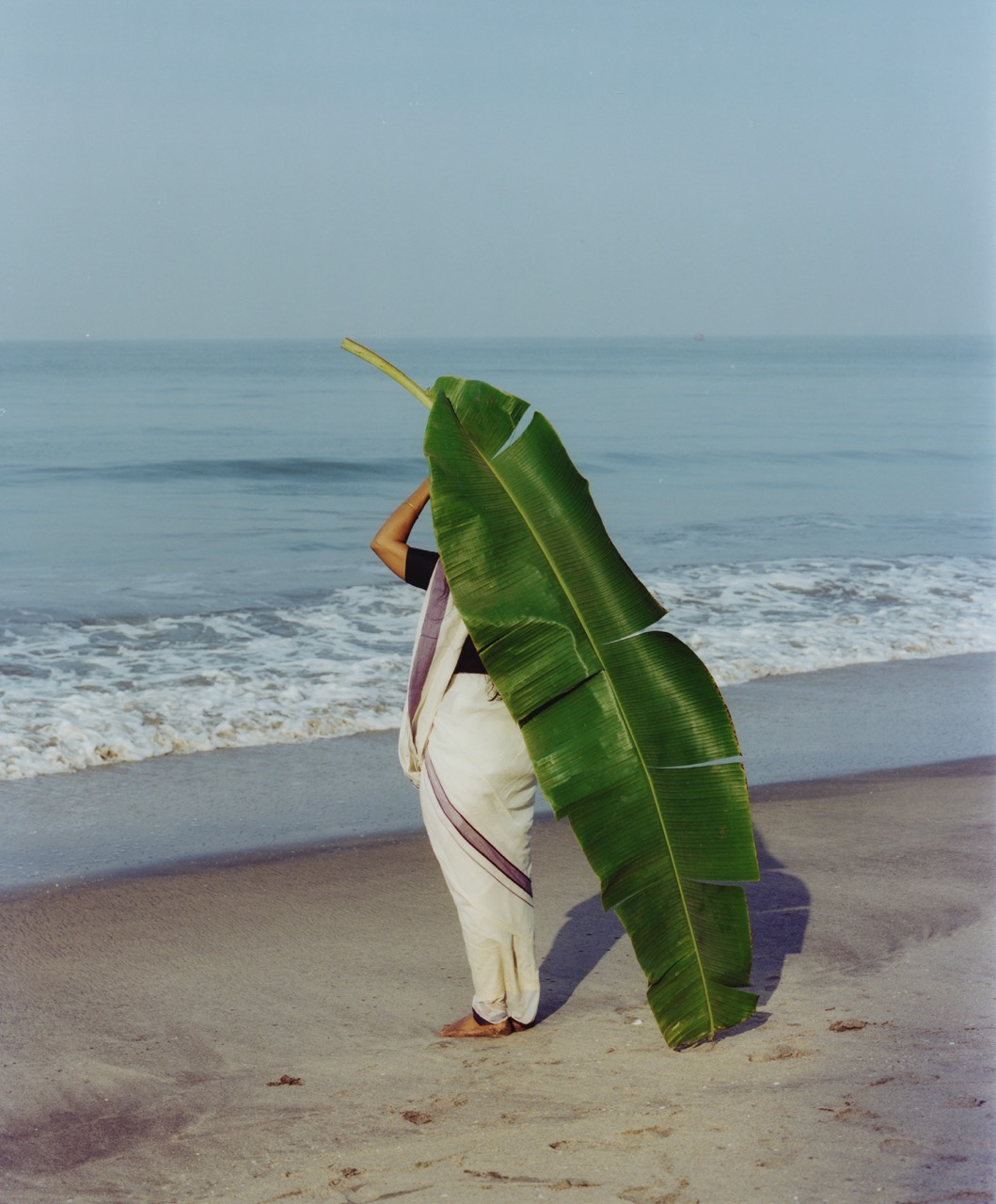
Even while critically distancing herself from the increasingly politicised and weaponised forms Hinduism has taken under the Modi government, and re-adapting it from the way it was practised in her own home, spirituality continues to inhabit Keerthana’s visual language instinctively. Growing up in Kerala, Hindu iconography surrounded her constantly. “We had a prayer room in my house,” she recalls, “where there were so many poster images of goddesses and these really beautiful places. I feel like those visuals are quite embedded in my brain.” You can see that inheritance clearly in Not What You Saw. The bodybuilders are photographed almost like contemporary deities — powerful, adorned, radiant in their physicality. Their muscularity becomes divine rather than masculinised in a colonial gender binary. The references pull from Hindu goddesses such as Mahakali: figures of rage, transformation, protection, and unapologetic force. “Goddesses of anger and passion,” she says. She also speaks about a ritual performance tradition from North Kerala called Theyyam, where lower-caste performers embody deities during festivals. As a child, she was mesmerised by the performances — the drums, the intensity, the collective energy. Yet later, she began questioning why many female deities were performed by men. “I kept asking questions about those and pissing people off,” she says, laughing. But within that questioning, she also recognised how ritual could temporarily invert power structures. “When they become a god, even the upper-class people come and take blessings from them.”
These layers of mythology and resistance steadily feed her visual language, through who is given the space to be seen as sacred. It makes me return to the women in Not What You Saw, who resist simply by existing as they are. One bodybuilder she photographed, Kavita, only entered the sport in her late thirties. “She mentioned that until that time in her life, nobody knew who Kavita was. But now people know her name,” Keerthana says. “There’s another girl who recently became a mother. She wants to go back into bodybuilding. And she’s proud that her daughter is growing up seeing her mother being a champion.” Setting such an example holds an enormous weight in the context of rural Kerala, where bodybuilding remains deeply male-dominated and conservative ideas around femininity persist. “In a global city like London, these might be stories you hear from every other woman,” she says. “But when you consider where these women are coming from, these are huge stories of success for me.” Not because these stories do not exist there, but because visibility itself is unevenly distributed — shaped by geography, class and whose autonomy society permits us to recognise. “People ask Kavita’s husband why he’s letting his wife roam around in underwear in front of so many people,” Keerthana says. “But they’ve reached a point where they comfortably say, ‘We’re not just standing in front of you naked. We worked hard for this body.’”
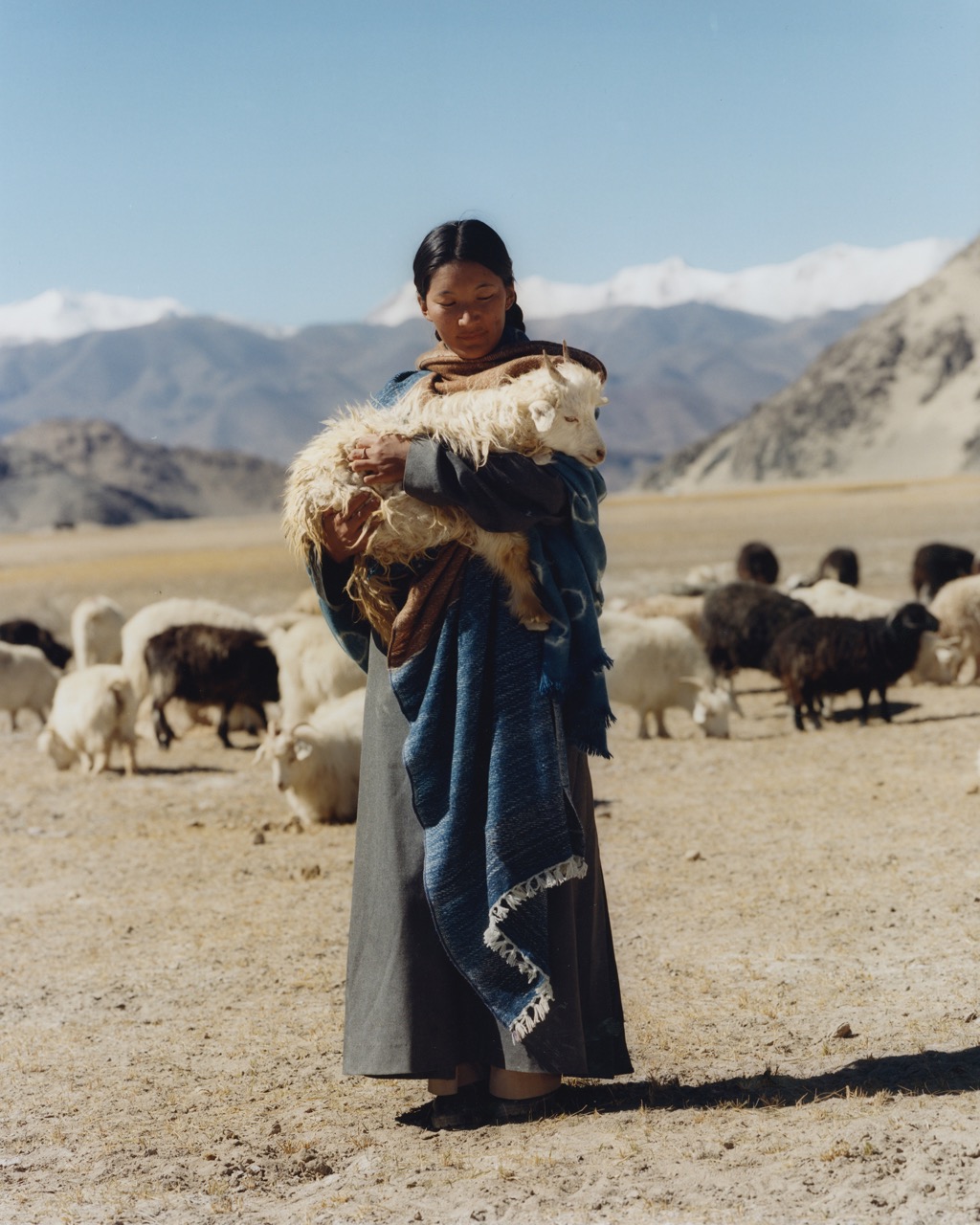
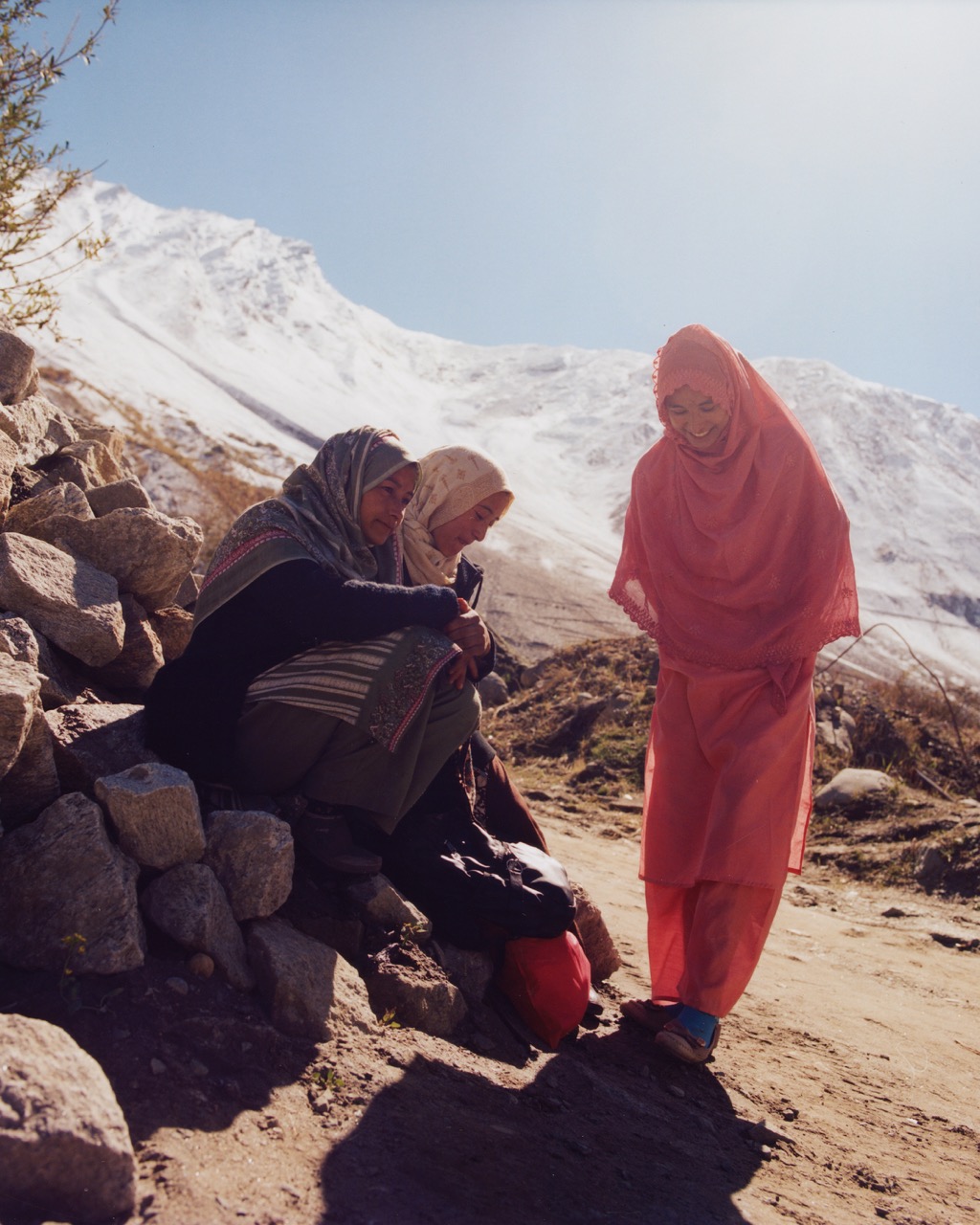
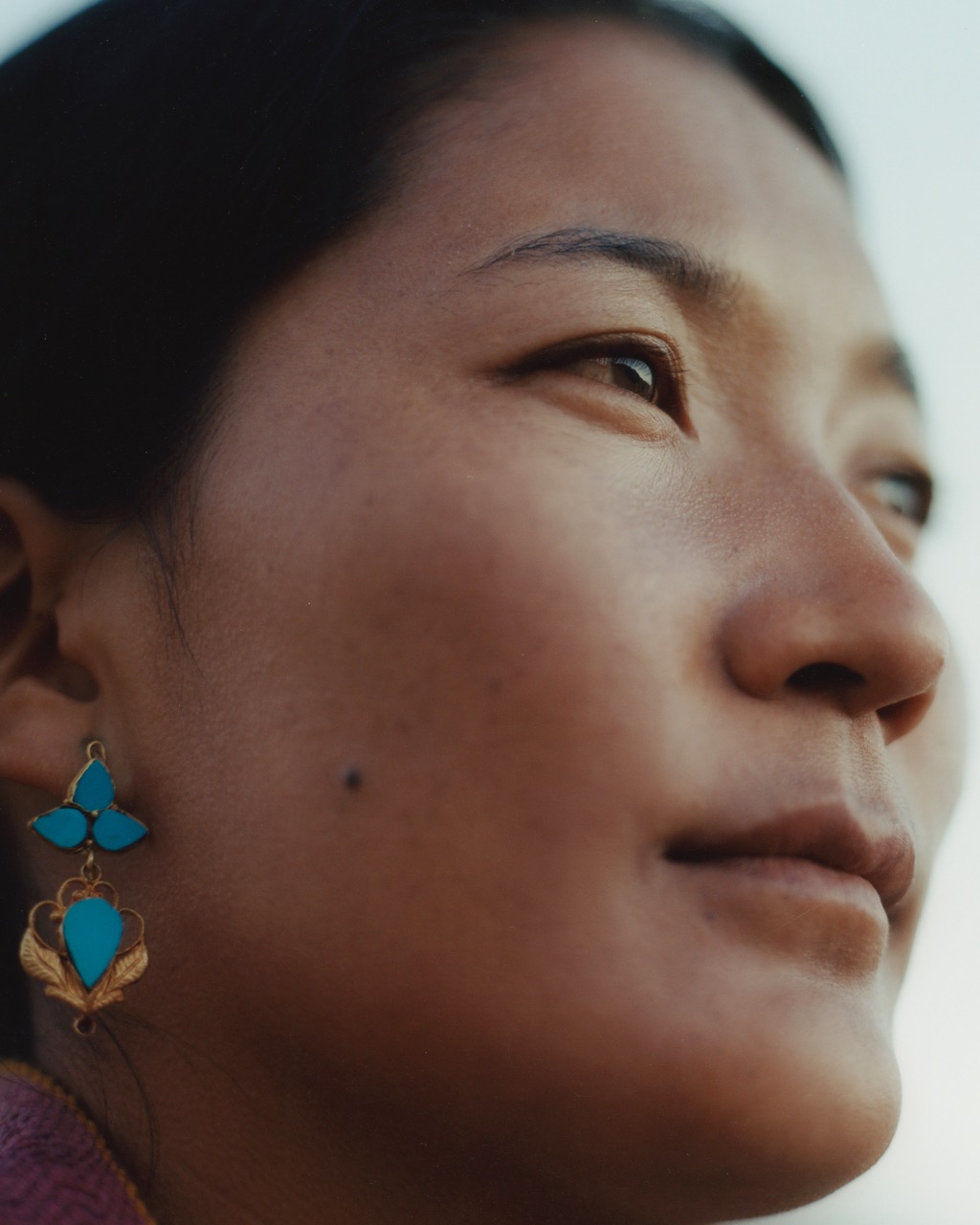
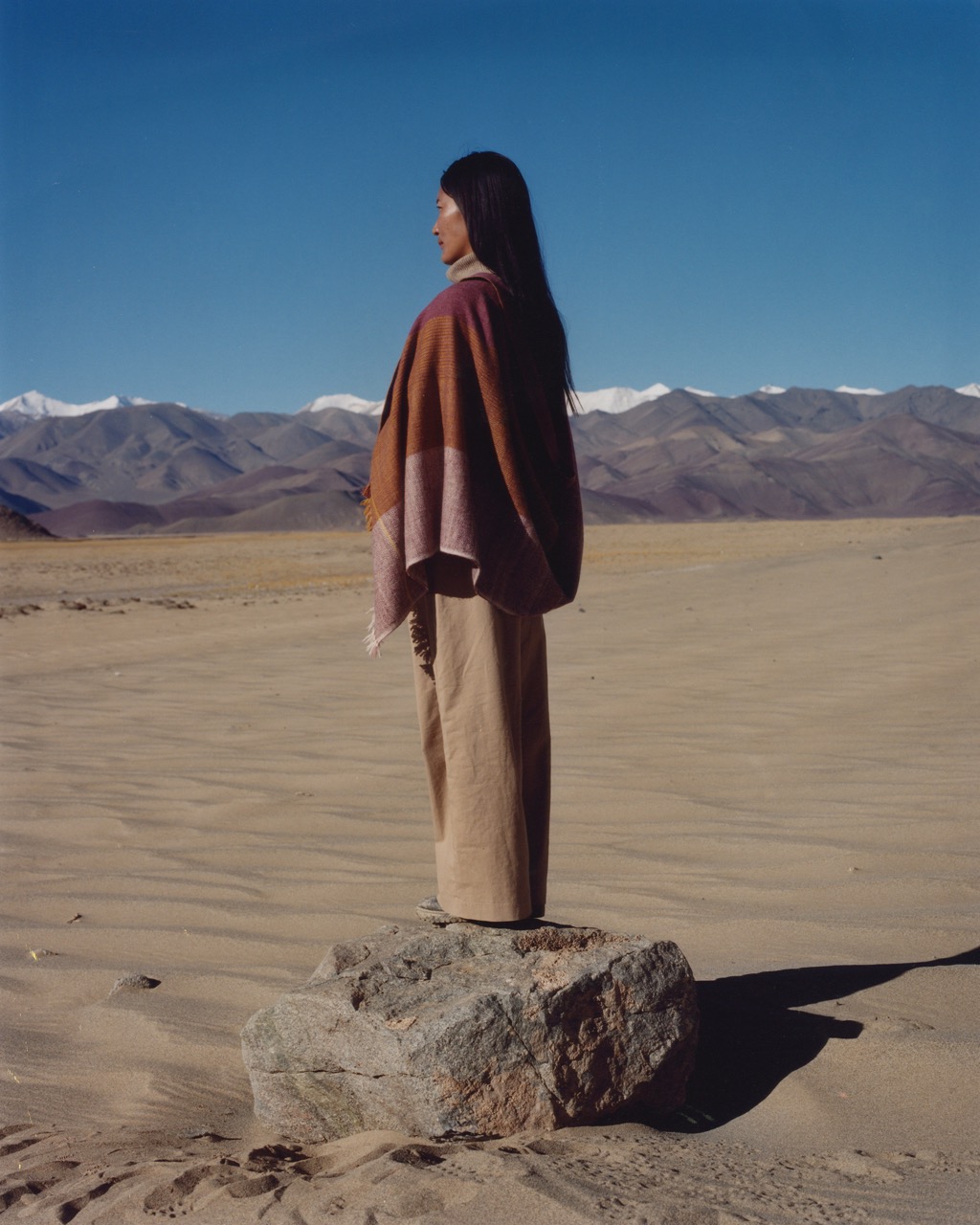
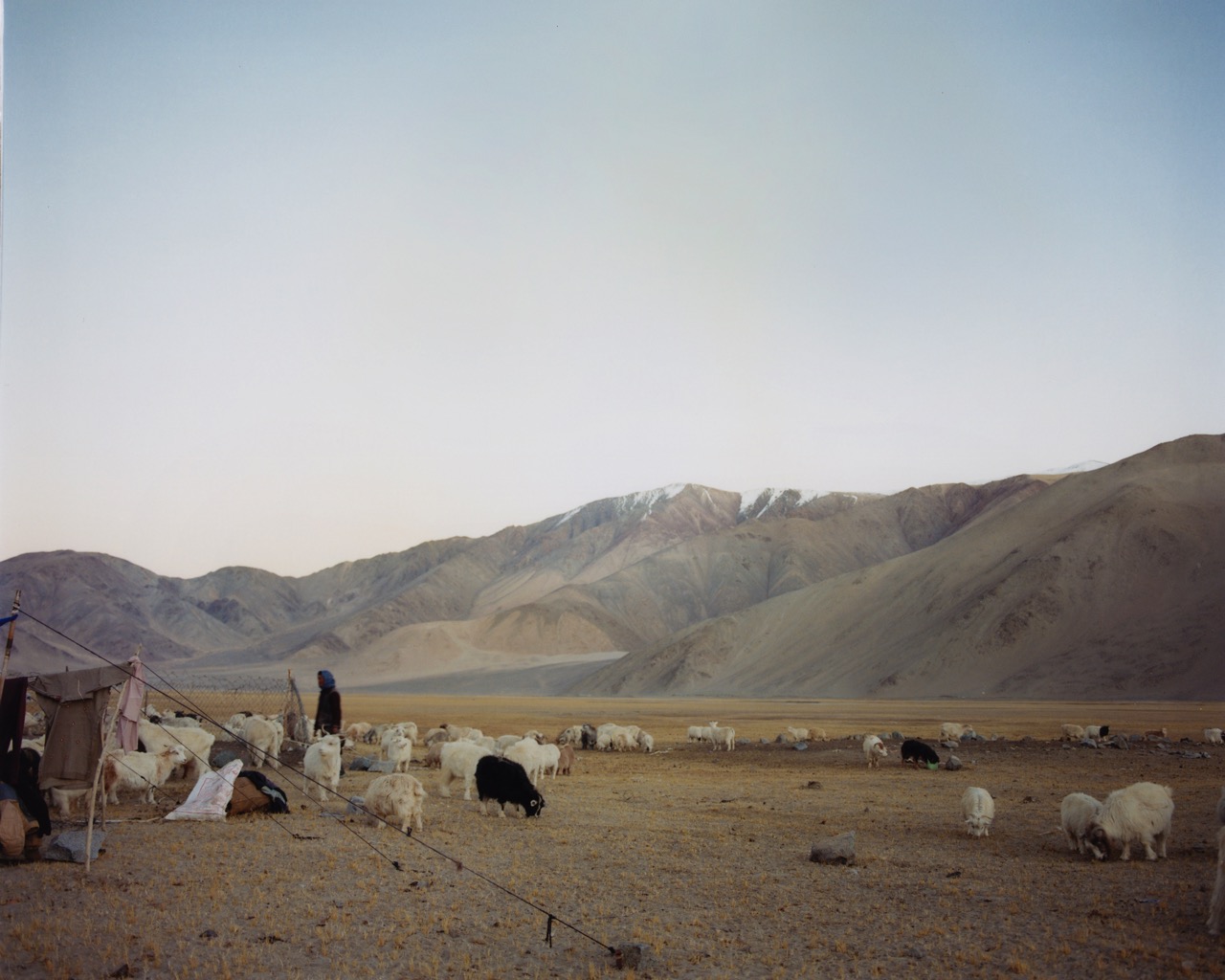
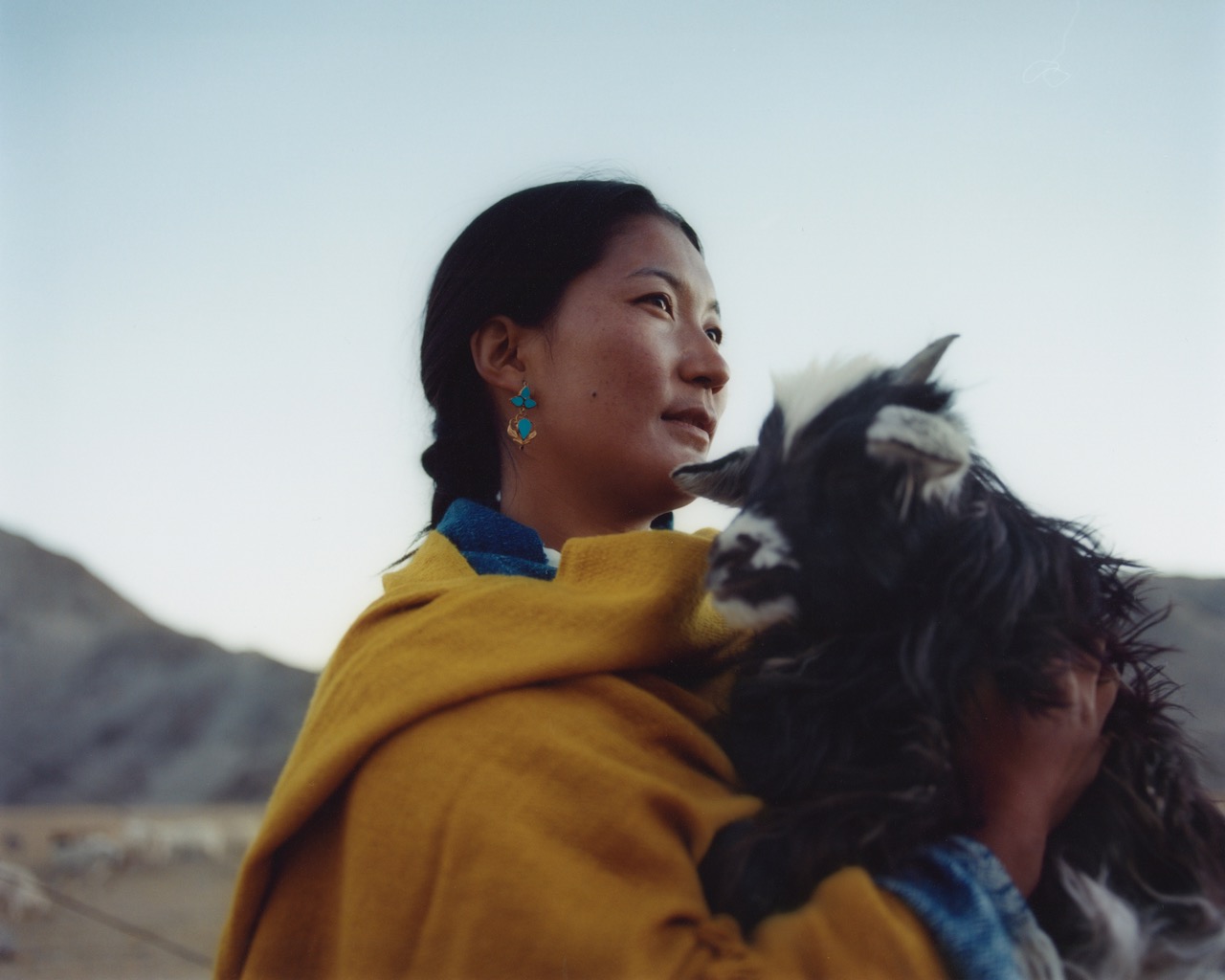
Every detail is thoroughly considered, especially the styling. Collaborating with stylist Elton John, garments were constructed from old saris and discarded fabrics, referencing Malayalam cinema while subverting ideas of modesty and femininity. “We wanted to have fun with it, and when there was a certain piece of clothing, which was supposed to be done for modesty, we changed it around and made it more playful,” she says. “At the end of the day, the girls were taking control of their own bodies.” Even in her work documenting Ladakhi women weaving pashmina in Northern India, Keerthana approaches the ideas of autonomy and honouring hard work as central. The more I ask about her subjects, the more cautious she grows about speaking for communities outside her own experience. “I was just curious to learn more. I come from the south of India, where, you know, culturally and topographically, in every way, it’s like the complete opposite of that region,” she says simply. What stayed with her most were the spiritual rituals woven into the labour itself. “There were so many prayers and mantras they did while weaving,” she recalls. “They also connected it to the feminine aspect of giving birth, of bringing something to life.”
At the centre of everything Keerthana describes is emotional honesty and the willingness to stay with discomfort long enough for intimacy to emerge. “I let them be emotional,” she says of her subjects. “I try to take away that pretence of something they are trying to be and go more towards the truest self.” That pursuit of truth feels inseparable from her own life. Every project contains fragments of her personal history — her childhood, her grief, her relationships, her questions around belonging. “I feel the reason I connect with a subject is probably because I found something similar in myself. Maybe sometimes I even feel like it’s selfish that I’m making everything about me, but I don’t know how to detach. And for me, it is always personal.” I try to reassure her that it’s not selfish, and perhaps is the most honourable way to practice photography — that personal entanglement is precisely what removes the voyeurism from her work. The camera never stands at a distance from the subject, because she has already implicated herself emotionally within the image.
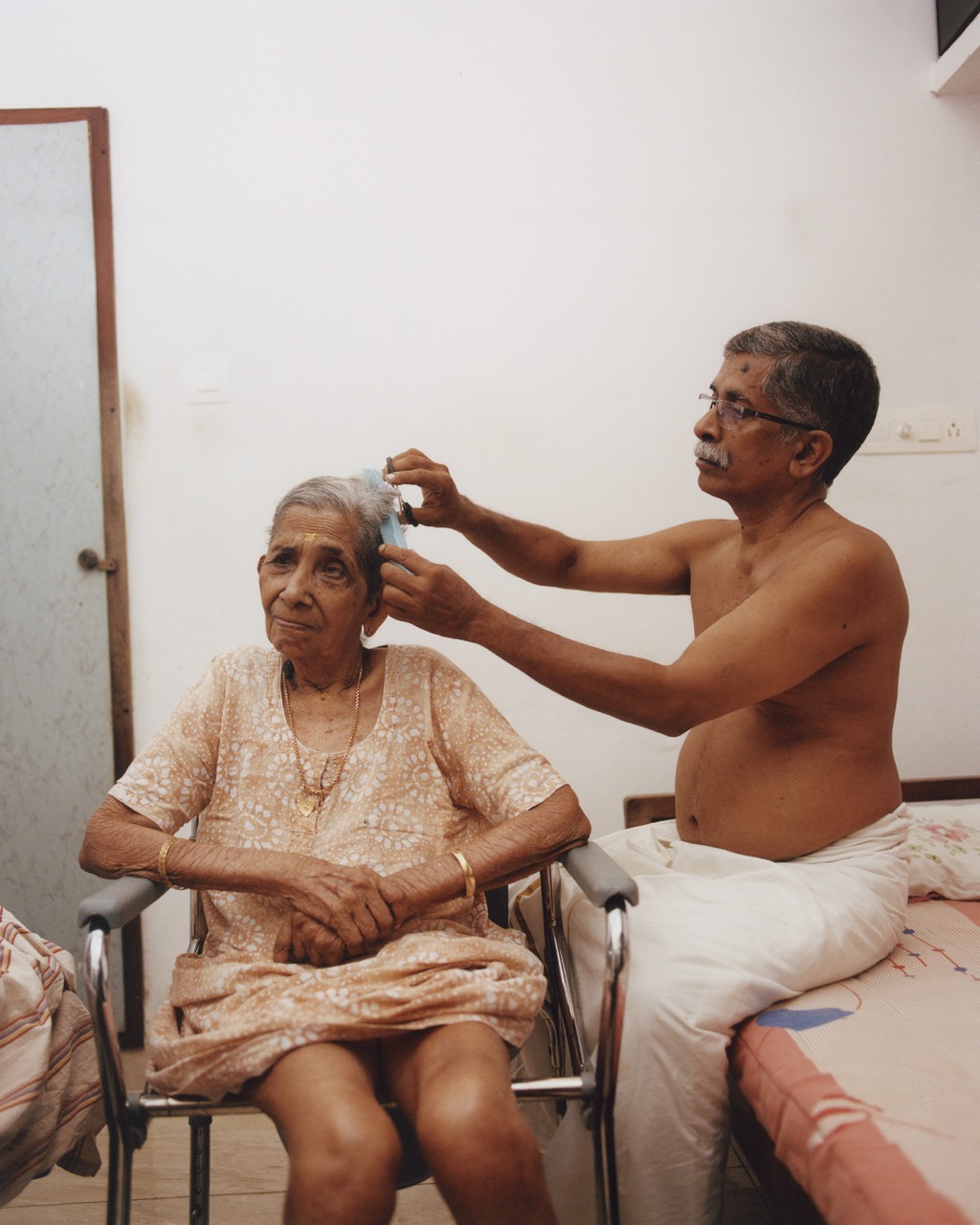
She speaks openly about struggling with mental health growing up, and how photography eventually became a space of collective healing. “The art community or my subjects have become a place where we’ve shared those experiences,” she says. “We always talk about what kind of support we got from our family, what were the conversations we were allowed to have? What were the things we felt were not right? What were the questions we were not allowed to ask? Through sharing those experiences, you find a lot of healing. In a way, it’s a kind of therapy for me.” Perhaps that is why her images feel so emotionally spacious, as they hold complexity without rushing to resolve it. She tells me about photographing her grandmother, who developed early signs of Alzheimer’s before passing away. Her grandmother would tell stories about their ancestral home, stories that blurred memory and imagination together. “So sometimes it was me reimagining those spaces,” Keerthana says, “or connecting with how she felt in her stories.” Even photographs of her mother became exercises in witnessing rather than confrontation, of finding that tenderness in between layered fractures of a mother-daughter relationship. “Sometimes the way she’s zoning out in a picture just felt extremely sad,” she says quietly.
Technically, her process mirrors this intentionality. She shoots on medium format film, where each roll contains only ten exposures. “You’re not shooting a lot,” she says. “You’re shooting very intentionally with each frame.” And later, when reviewing contact sheets in the darkroom, the final selection rarely depends on composition alone. “Emotionally, if I didn’t like the picture, it wouldn’t make the final cut.” Her photographs do not shout for attention, but they stay with you if you let them in. And this is where the visibility and resistance Keerthana creates becomes special — they emerge through being witnessed fully instead of symbolically. Through someone saying: I see you exactly as you are.
Words by Evita Shrestha
Photography by Keerthana Kunnath