Out with the clean girl passport pictures. Chaos-coded post-rave mugshots are our new fixation


Your art often balances the mesmerising with the subtly unsettling. How do you conceptualise “beauty” in the context of what many would perceive as eerie?
I often pursue beauty in the narrative rather than exclusively in aesthetics. What we collectively perceive as beautiful is always shifting, and that instability interests me more than the fixed ideal. I’m curious about why certain visual consensus emerges at specific moments, what cultural cues they respond to, and what they reveal about their times.
And what would you say the current visual landscape reveals about our world right now? Do you see your work as a response and/or a contribution to that?
I do, and I appreciate the word contribution a lot. Personally, with the never-ending rise of conservatism, I see the moment we live in as really dense and repressive. Self-expression and existing outside of the norm isn’t something that is as celebrated as it was when I was living in Brazil in 2016, for example. I used to express myself and my identity in a very fearless way, but I came to fear for my well-being once I moved to Berlin and started to understand the power structures. Now, looking back, I can see that I ended up applying this reminiscence of freedom to the non-existent people in my outputs. They don’t have to live in fear or worry about the consequences of being beautiful.
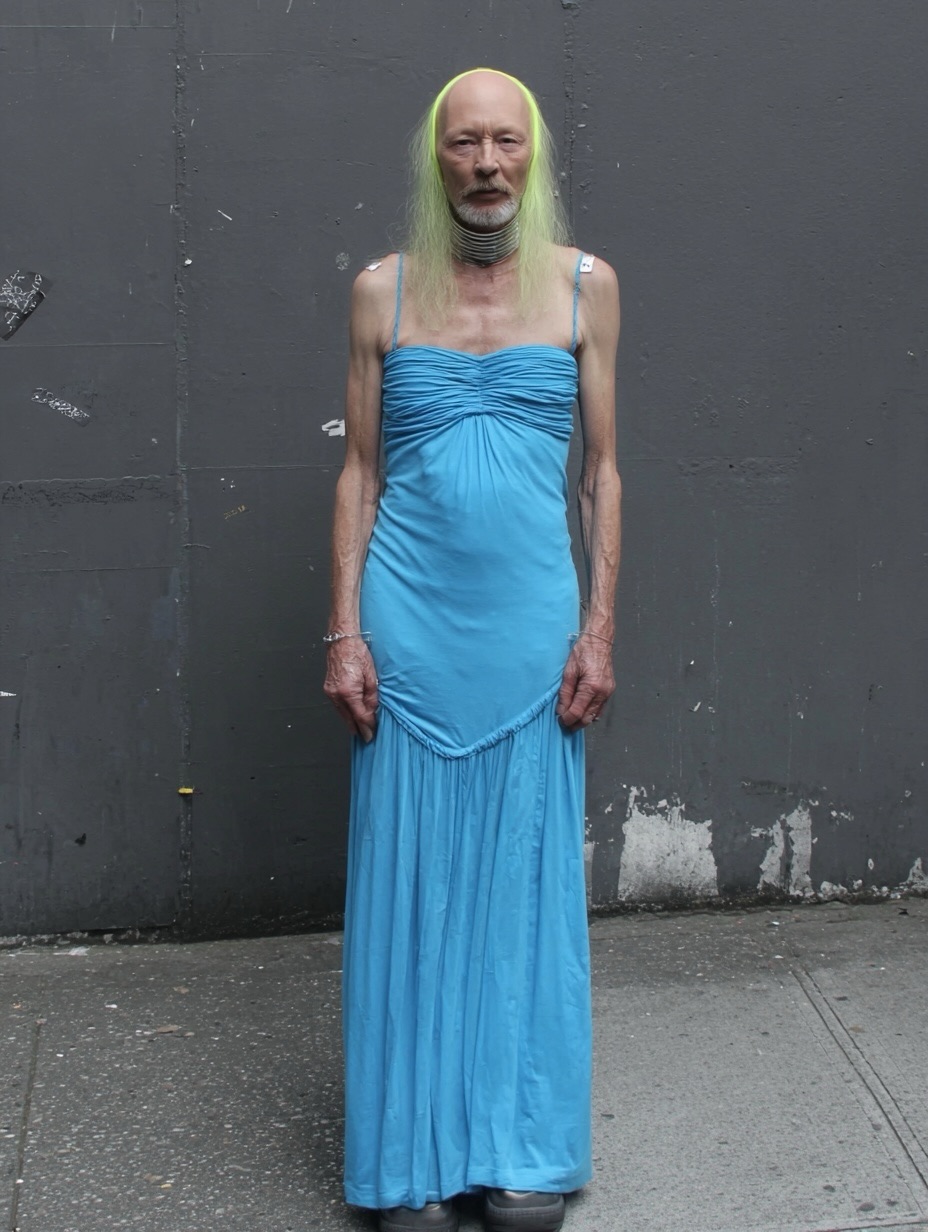
Your visual language has changed a lot in recent years, moving from grotesque to more nuanced, more fashion editorial-like work. How has your conceptual vision evolved, and what has remained constant?
This last semester, I felt creatively stuck. Even though the work was guided by my own decisions, I realised I had confined myself within a system I had built. I took time to analyse my previous experimentations and separate what was noise from what were truly core concepts. That exercise allowed me to expand my visual language while preserving the identity of my production. With a background in design, I strongly believe that form follows function. Once I began questioning the function of my outputs, the form naturally shifted.
You’ve explained that night, club culture, and the inner world inform your imagery deeply — does your current work still reflect those influences?
Yes, absolutely. As a young creative first in Brazil and later in Berlin, queer nightlife offered me a sense of safety and a range of intentional self-expression that deeply shaped my visual vocabulary. Even when working today with older characters as a projection of a prosperous and authentic lifetime for myself, the starting point is often around these experiences.
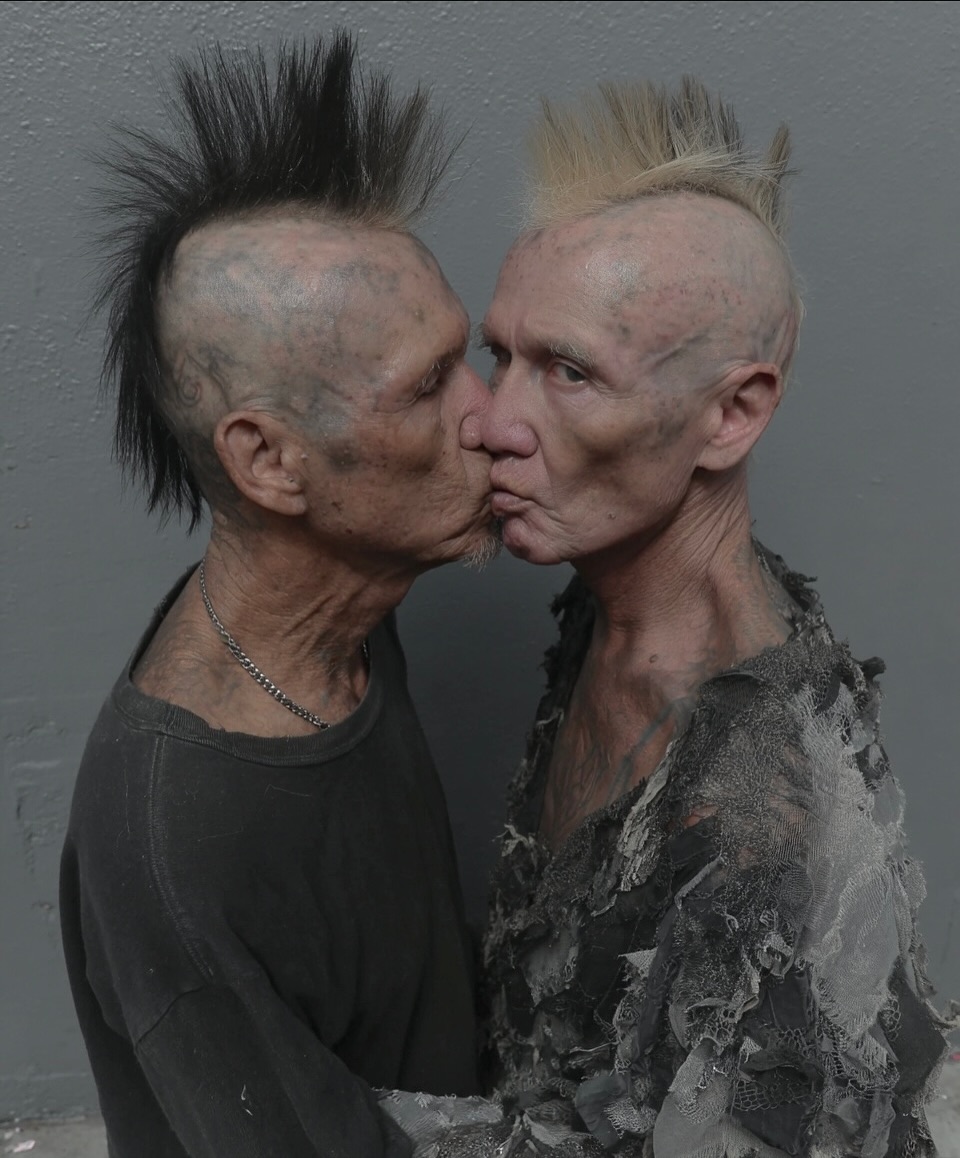
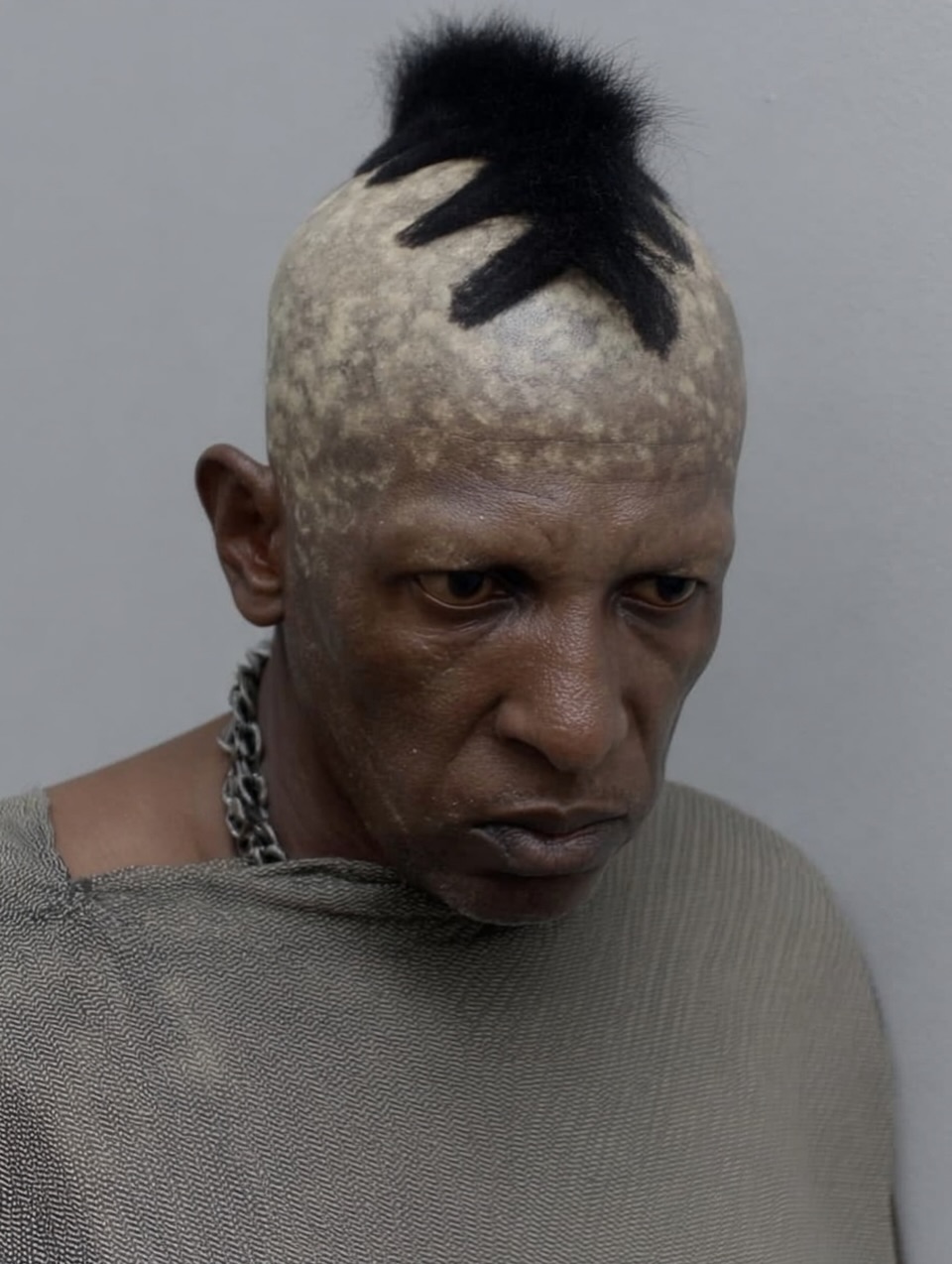
How do you approach ‘casting’ or choosing the types of figures you generate? What draws you toward certain archetypes, and why does older age appear so compelling in your work?
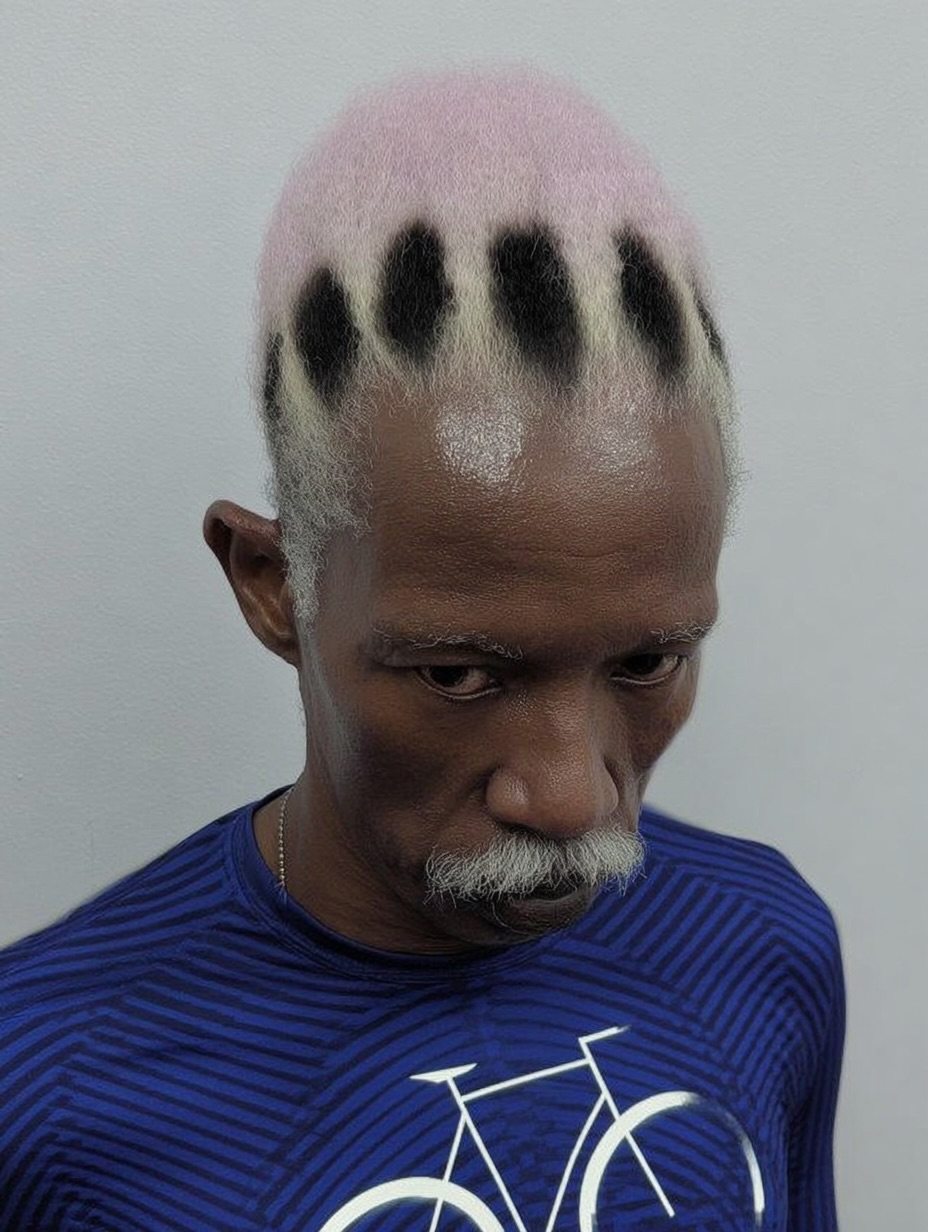
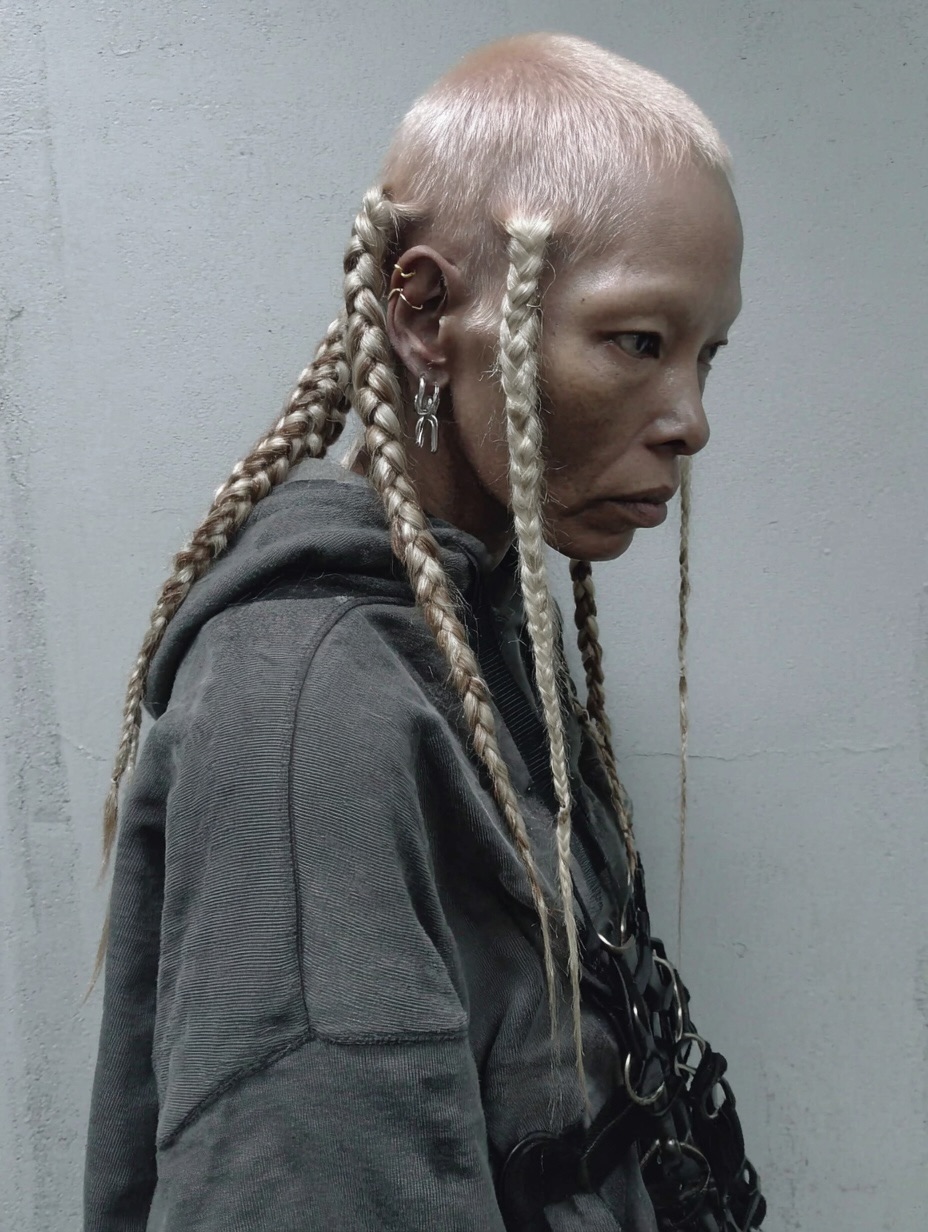
When working with generated portraiture, I don’t approach it with a fixed end goal; instead, I allow myself to encounter faces and respond to what resonates. I’m often drawn to uniqueness, to details I can’t put into words. Working with older characters initially began as a technical exploration of realism, especially skin texture. Over time, it evolved into something more layered. It became a way to explore repression, conformity, and maybe even the end of my hedonistic phase.
Collaborating on Rick Owens’ Fall 2026 show was a significant shift — how did translating your digital visions into real runway beauty change your understanding of your own aesthetic?
Translating digital visions into real runway beauty forced me to confront my process, physical bodies, and collaborative mindset in a new way. What I understood from that experience is that my visual language is not confined to digital space. Seeing it embodied in real time shifted my understanding of the present. More than redefining my aesthetic, it expanded its potential applications.
Do you experience working in real life and in digital spaces as part of a single evolving practice, or as two mediums that demand fundamentally different ways of thinking and making?
I experience digital and physical work as part of the same evolving practice. They coexist and continuously inform one another. However, online anonymity, at times, gives me a sense of security and freedom. I often think about my first winter in Berlin, walking outside, layered in every warm piece of clothing I owned, feeling anonymous and surprisingly liberated. In digital space, I can separate myself from the work, which allows me to experiment more radically.
Can you walk us through your creative process from spark to image? Does a piece begin with a sketch, an idea of a figure, a mood, or something else entirely?
My process varies depending on the experiment. I rarely force a direction if something isn’t working. Flexibility is fundamental to me. Recently, I’ve been returning to unfinished experiments and reapproaching them with new technical knowledge or conceptual clarity. The process is iterative and accumulative rather than linear.
AI is central to your practice — what initially drew you to AI tools, and what were your early concerns about questions of authorship, ethics, or the “soul” of an image? Have your views shifted as you’ve worked with digital tools closer and closer?
AI initially solved real limitations I faced while trying to professionalise my photography. For the first time, I felt I had a say over every aspect of the result. That shift was significant. My early concerns revolved around the speed of computer-generated production and its potential impact on the development of visual culture. I worry about the end of critical thought around visual knowledge production. The responsibility lies not in the tool itself, but in how intentionally it is used and developed by big tech.
There’s a certain restraint or calm in your newer work compared to your earlier, more visceral images. How would you describe the role of emotional tension, melancholy, or subtlety in your current aesthetic?
In the beginning, I was deeply interested in distress. It reflected my own mental state at the time, and the work translated that. Over time, I’ve come to understand those moments as parts of a bigger puzzle. Subtlety, today, allows me more room for reflection.
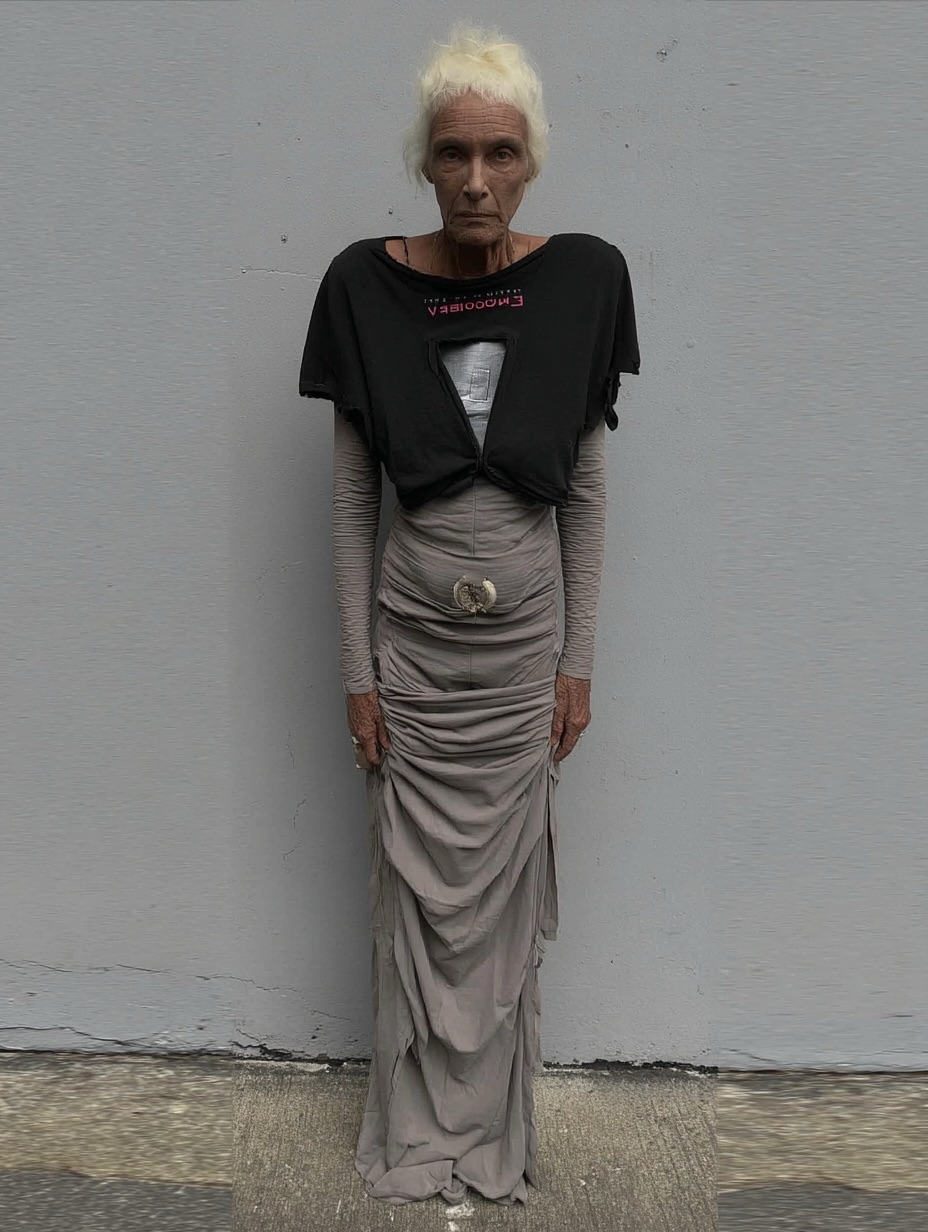
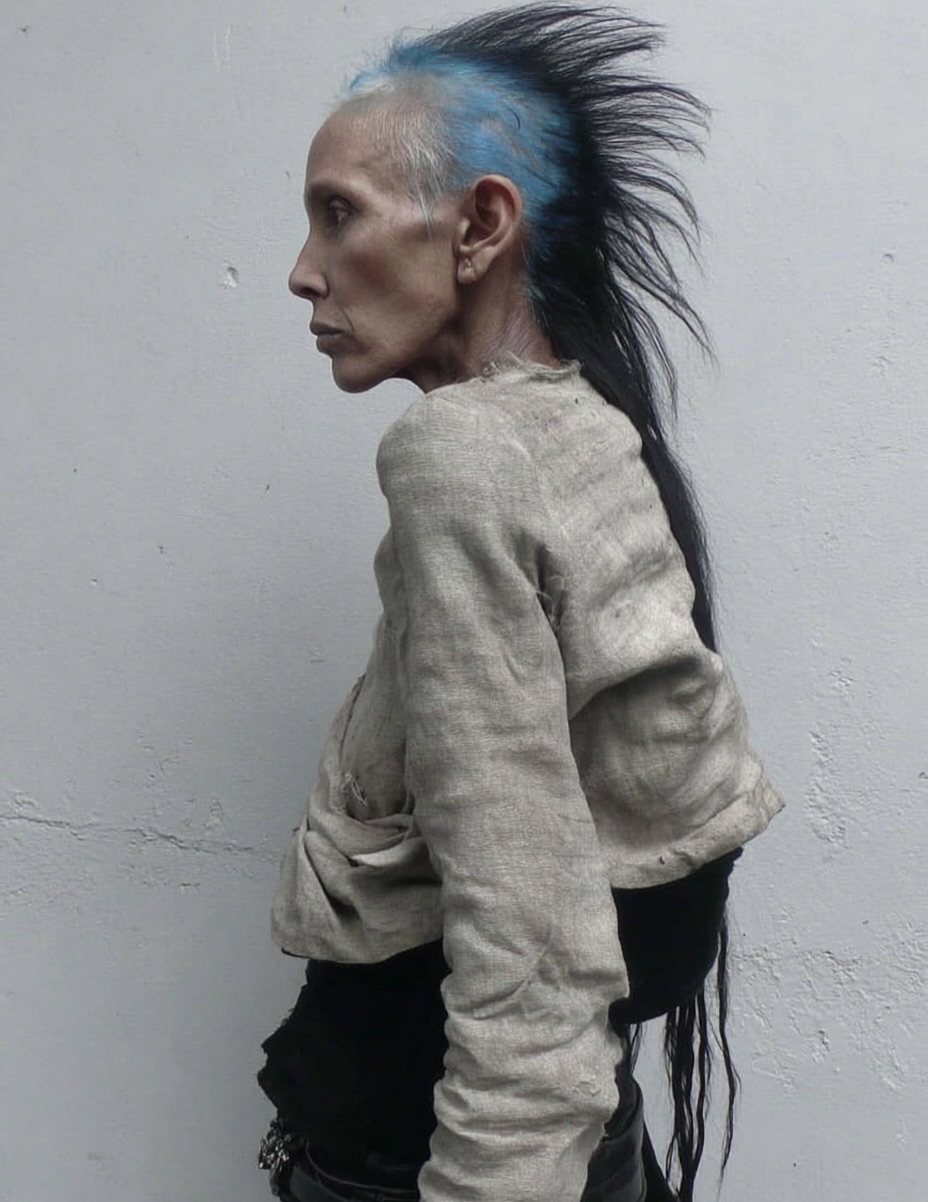
You’ve said that working with portraits allows you to express yourself through non-existent people. What do your images reveal about your inner world, and how do you see that interacting with the world around you?
Each portrait reflects the headspace I inhabited at a particular moment. Early works with chrome elements, mouthpieces, and visible pain mirrored the disorientation I experienced in Berlin at the time. As my point of view shifted, so did these elements. The images interact with the world around me as both reflection and negotiation. They are shaped by context, but they also reshape how I understand it.
You’re also releasing your book, Save Face – congratulations! Could you elaborate on what birthed this body of work? What does the detachment of face from biography mean to you in this context?
When the publishing house Dashbook approached me, they were really open to supporting whatever it was that I wanted to accomplish. This led me into an intense research phase, looking for the next thing I would do. But I ended up realising that this pressure of renewal is systematically rooted in capitalist logic, so I decided to look back at the work that had already been done and try my best to cherish it. That’s why I mentioned my deep appreciation for the word contribution, because at times it has already been made. Understanding why I was working with portraiture and researching what it means to do it today in the way I’m doing it was the real “birth” of the project. Portrait photography, until now, has had a surprisingly nuanced timeline. From the repression of August Sander’s work by the Nazi regime, to the controversial intentions of Diane Arbus, to the anonymity in Thomas Ruff and Ken Ohara’s collections, portraiture has always been based on the encounter between subject and photographer. My collection, though, doesn’t have that. This detachment from the backstory of the subjects made me even more curious about what it is that I have been building so far.
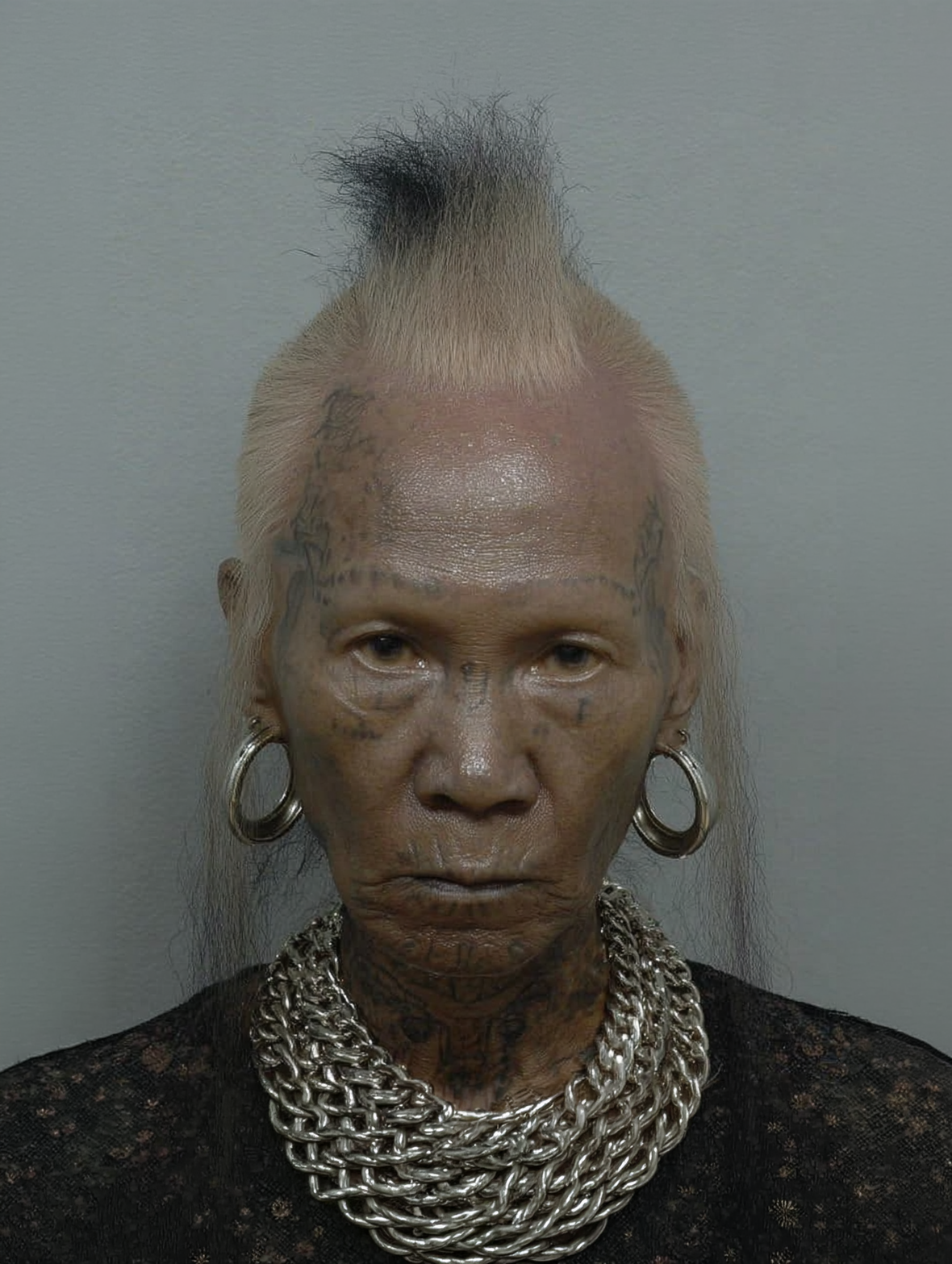
Photography is a medium that only reflects a part of reality, and it’s something you acknowledge in the book notes. With your work, what kind of new ‘realism’ would you like to bring to the viewer?
I’m approaching the idea of realism carefully here. We already know that photography is a practice that isn’t always reliable, and we have been understanding this collectively with its democratisation and the rise of social media. Now, through computer generation, we’re able to mimic imperfections that we were trying to hide for so long.
Where do you look for inspiration today, from visual sources, music, cultural histories, or personal experience?
Lately, I’ve been focused on studying bodies of work rather than isolated images. The TU Library in Berlin has become a crucial space for research. I’m increasingly interested in conceptual and philosophical ideas behind an artistic production. Revisiting photographers, designers, and artists through their complete series has shifted my understanding of what it is that I might be doing. It has reminded me that visual language is inseparable from intellectual structure, and that I can engage with multiple points of view in a way that feels authentic to me.
Images courtesy of the artist
Words by Evita Shrestha