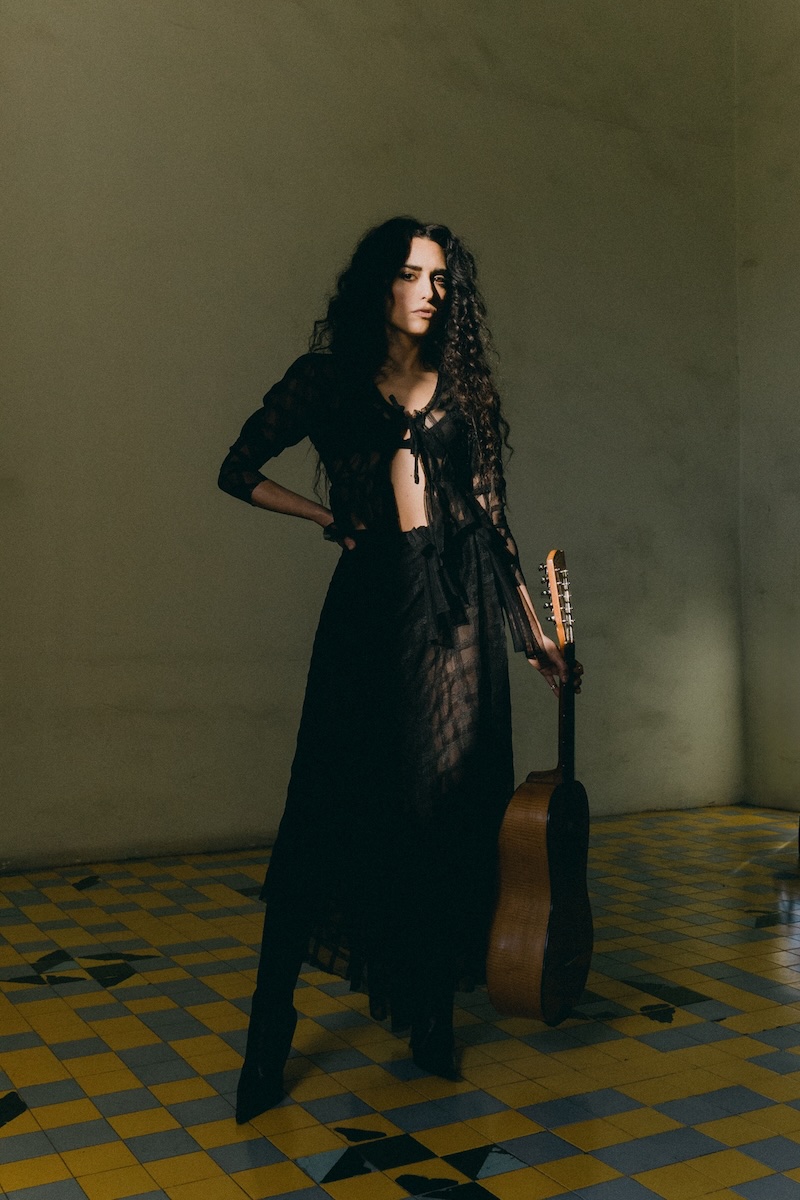
Listening to LA NIÑA is like stepping into a magical storm: wild, melodic, and utterly alive. Singing in the endangered Neapolitan language, Italian artist Carola Moccia’s voice drifts like a siren through pulsating landscapes, conjuring birds, cats, and spirits into her vivid tapestries. Moccia harvests the mysticism of Campania in her work, blending pagan rhythms, volcanic tremors, and baroque instruments into a sound that is both folkloric and uniquely contemporary.
On her latest project, FURÈSTA, La NIÑA arrives untamed, celebrating wild feminine power, as feral, uncontrollable and brutish as it comes. In between the crackling of the tammorra, mandolins resonate in the Mediterranean breeze, sun dacing across land, space, and skin. In conversation about her new album, Moccia lets us in on her perspectives on nature, deep listening, and linguistic resistance.
Like the climate phenomenon it references, LA NIÑA’s work feels disruptive, cyclical, and uncontrollable. When did Carola Moccia first realise she needed this other self to speak fully?
I realised I needed LA NIÑA when language stopped obeying me. Carola was still trying to explain, to mediate, to be legible, LA NIÑA appeared when I understood that some things can only be spoken from inside the storm, not about it. She wasn’t invented, rather she surfaced, like a seismic voice that had always been there.
You were raised along the Golden Mile, between sea and volcano. Do you feel you were shaped more by beauty or by threat, or is that distinction impossible in Naples?
In Naples, beauty and threat are the same substance. The sea seduces you; the volcano watches you. You grow up learning that harmony is never stable, that splendour can erupt. I wasn’t shaped by one or the other; I was shaped by coexistence. Living there means understanding that fear and desire share the same breath.
LA NIÑA feels less like a persona and more like a vessel. What did you have to unlearn to let music be an expression rather than a performance?
I had to unlearn control. Performance teaches you to dominate time, body, and emotion. Expression asks you to surrender them. I had to stop “doing” music and start letting music happen through me, even when it was uncomfortable, even when it exposed parts I had been trained to conceal.
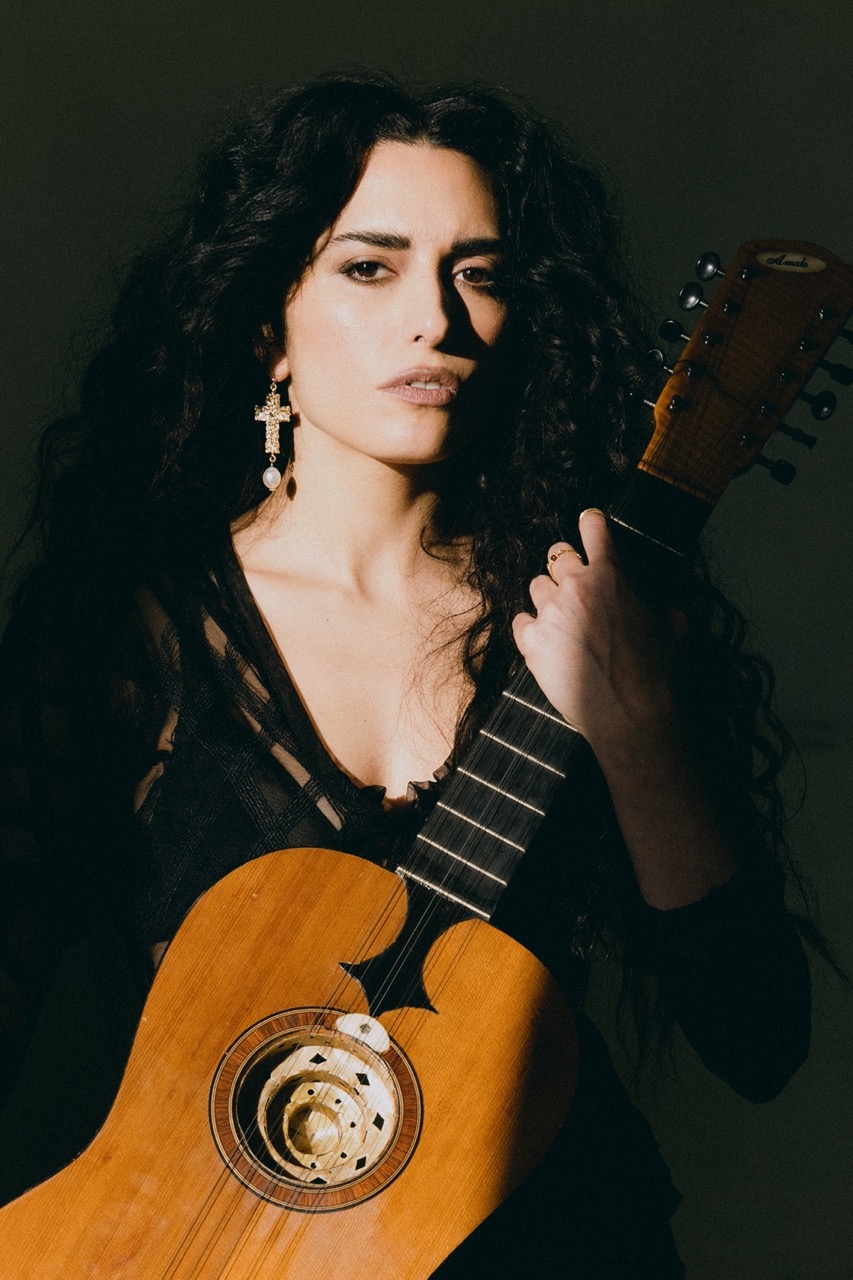
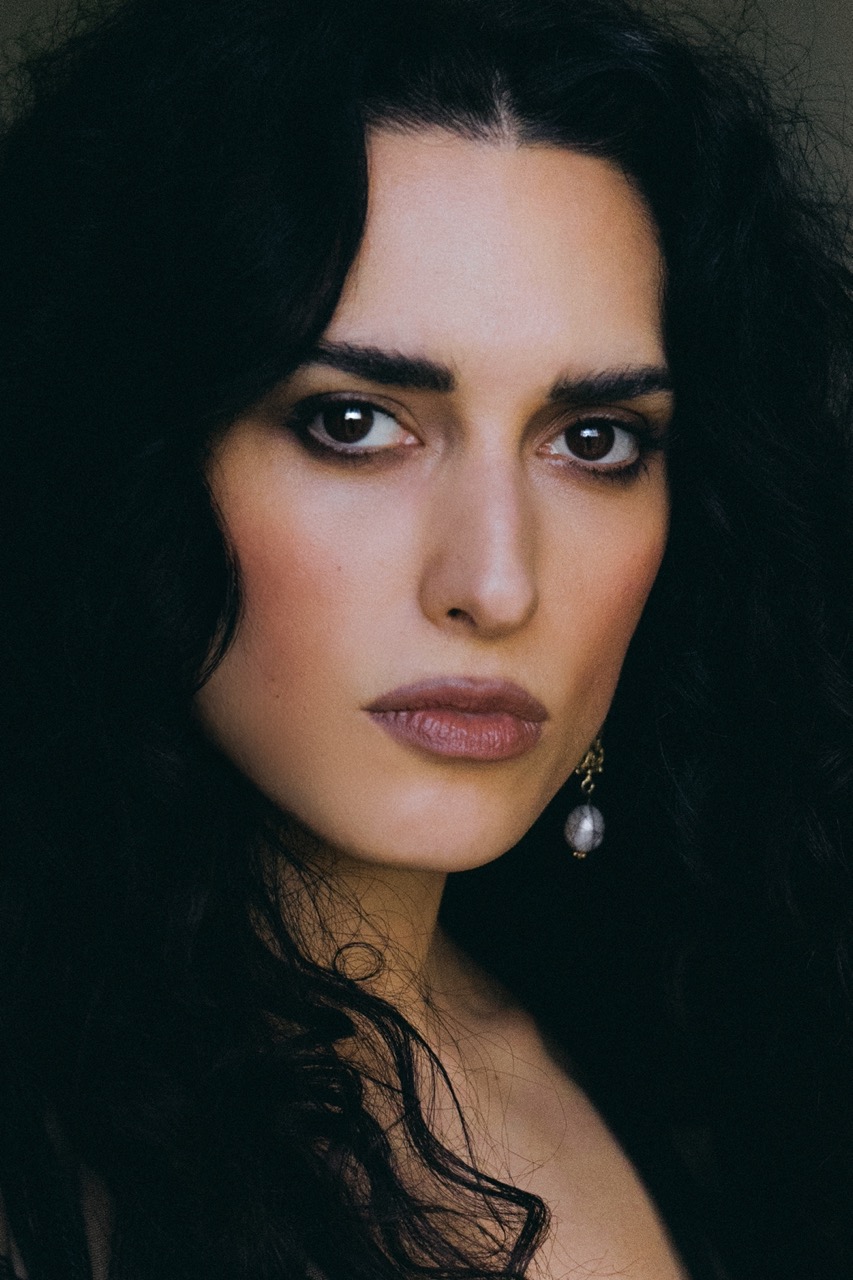
Choosing to write in Neapolitano, a language often dismissed within Italy yet foundational to its musical heritage, is a radical act. What does it mean to reclaim a “denigrated” language as a site of power rather than nostalgia?
Writing in Neapolitano is not nostalgia, it’s reactivation. It’s a language that has been humiliated because it carries too much truth about bodies, labour, grief, and pleasure. Reclaiming it means refusing the hierarchy that decides which voices deserve authority. In Neapolitano, power doesn’t descend but rises from below.
Do you feel the language itself shapes what can be said about womanhood, the body, and resistance?
Absolutely. Language determines the perimeter of what can be imagined. Neapolitano allows contradictions to coexist: strength and fragility, devotion and rebellion. It gives me a vocabulary for womanhood that isn’t sanitised, for bodies that aren’t apologetic, for resistance that doesn’t need permission.
In rejecting both English and standard Italian, you also rejected accessibility as it’s usually defined. Who were you willing to lose in order to remain truthful, and who did you unexpectedly gain?
I was willing to lose neutrality. I was willing to lose the listener who asks to be accommodated before being moved. What I gained were people who recognised themselves not through understanding every word, but through resonance. I gained bodies, not demographics.
In Figlia d’a Tempesta, you sing: “For being born a woman / Some people want me pregnant.” How does singing these words in chorus with other women change their weight?
Singing those words alone is an accusation; singing them in chorus becomes a refusal. The weight shifts from confession to collective memory. It stops being my wound and becomes evidence, like something that can no longer be dismissed as personal.
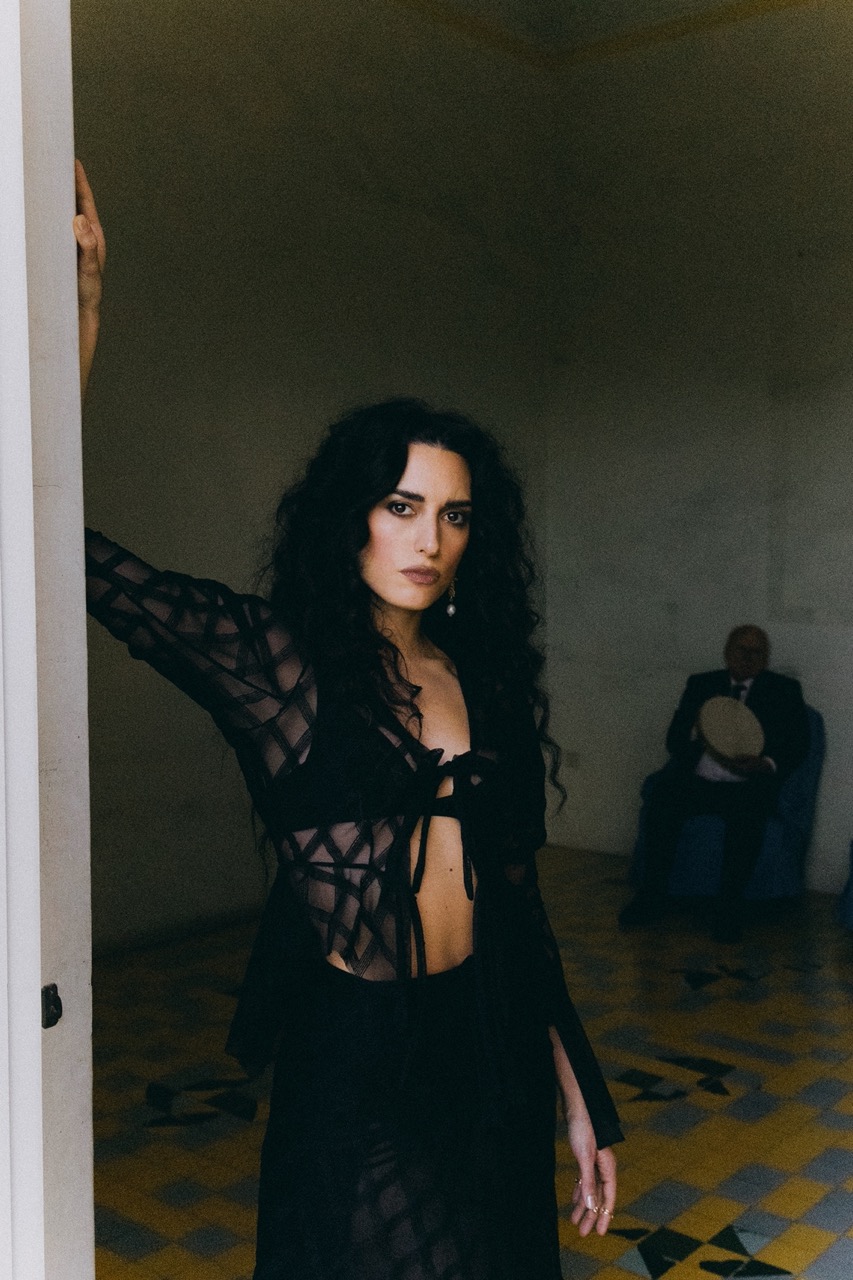
Your work often draws upon pagan traditions, mysticism, and Animalia. How has your relationship to the natural world shifted since beginning this research?
Researching paganism and Animalia didn’t romanticise nature for me; instead, it stripped nature of innocence. I stopped seeing the natural world as something outside myself and began to recognise it as a system I belong to, one that includes violence, cycles, decay and fertility. That shift changed the way I listen to time and morality.
Anthropomorphising animals can humanise nature, but it can also animalise us. What do animals allow you to say about desire, violence, or tenderness that humans cannot?
Animals allow me to speak without moral alibis, there is no desire without justification, violence without spectacle, tenderness without ownership. When I borrow their bodies, I escape the human obsession with explanation; I can simply be inside an instinct and let it speak.
Recording in Pozzuoli, inside the Phlegraean Fields, where the ground literally rises and falls, how did bradyseism ( the slow cyclical uplifting of the Earth’s crust due to underground magma) shape your sense of rhythm, instability, and listening?
Bradyseism taught me that rhythm is never fixed! The ground moves even when you think it’s still. Recording in Pozzuoli sharpened my attention to micro-variations, to tension beneath apparent calm. Listening there is an act of vigilance, ‘cause you’re always aware that stability is temporary.
TREMM was recorded during volcanic tremors. Do you believe the land leaves a sonic imprint on music, even if the listener doesn’t consciously hear it?
Yes. Land leaves traces, like memory leaves scars. Even if the listener doesn’t consciously hear it, the body perceives it. Sound carries geography, pressure, fear, breath. Music is never abstract; it is always rooted somewhere.
Your work continues the lineage of Roberto De Simone and the Nuova Compagnia di Canto Popolare, but without imitation. How do you carry tradition without embalming it? Do you feel like you’re rewriting history with your practice?
Tradition dies when it is treated like a museum object. I don’t think that I carry it forward, but simply let it contaminate me. De Simone taught us that the archive is alive only if it is allowed to mutate. I’m not rewriting history, I’m just refusing to freeze it.
You taught yourself ancient instruments like tammorra, spinet, and chitarra battente. What did your body learn from these tools that modern instruments never taught you?
Those instruments taught my body humility. They don’t adapt to you; you have to adapt to them. They demand posture, patience and friction. Modern instruments often erase resistance, while these insist on it. It’s like they taught me that sound comes from negotiation, not domination.
You’ve described your breakthrough as coming from “deep listening.” In a world obsessed with visibility, is listening the most radical artistic practice left?
Well, honestly? Yes! Listening is radical because it removes you from the centre, it requires presence with just a bit of control. In a culture obsessed with visibility, just like you said, listening to me is a form of disobedience because it says, “I don’t need to be seen to exist, I need to be porous.”
Interview by Evita Shrestha
Words by Gabriella Meshako
Images courtesy of the artist