On shame, shine, and second skin
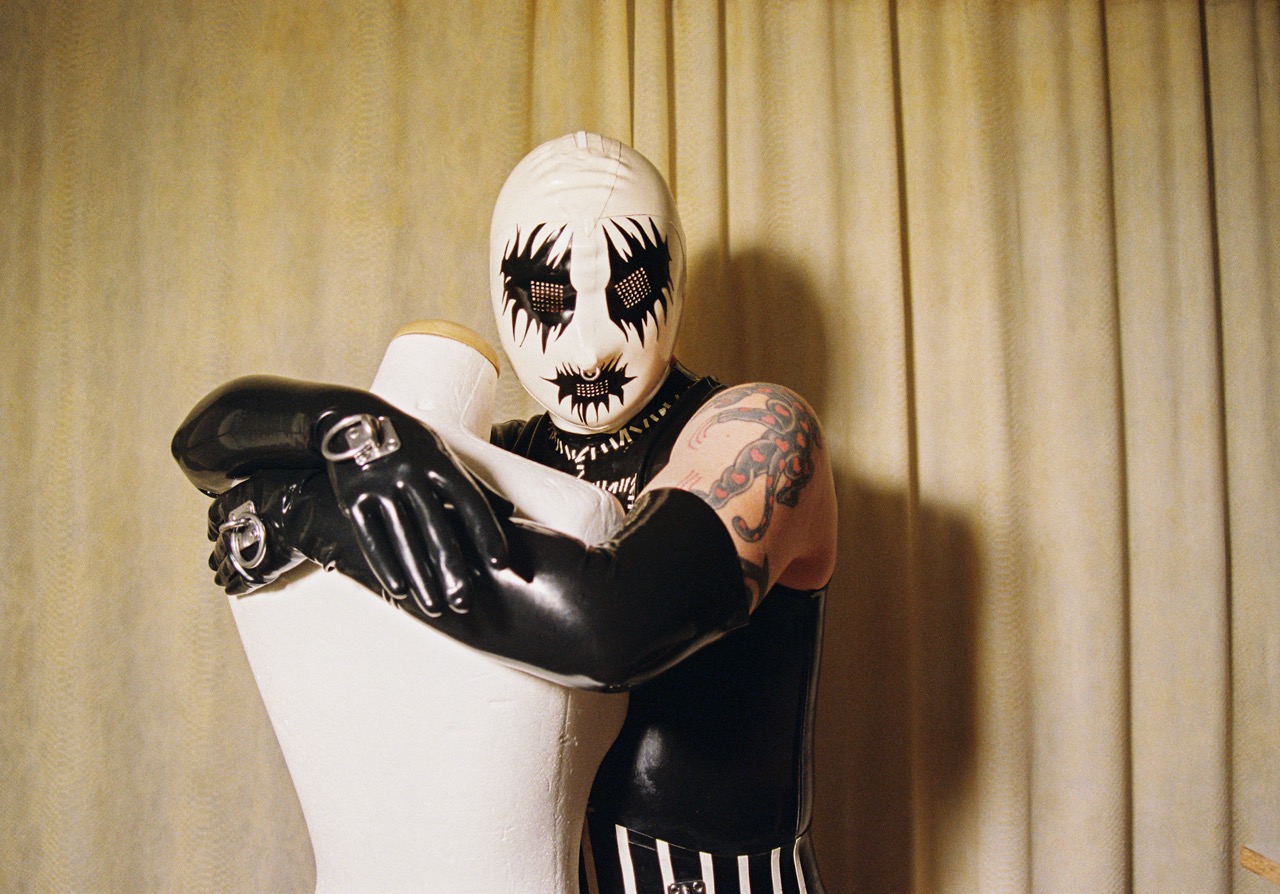
Latex has a way of turning shame into shine and it gives way to your deepest fantasy in a way that you can simply zip yourself into. For Jesamie, the Berlin-based designer behind Lust Latex, rubber isn’t just a material, it’s a way out of the suffocating noise of anti-trans politics in the U.S., and into something darker and seixier. Drawing from gothic fetish traditions, generational craft, and the monster as muse, Lust Latex lives where vulnerability becomes power, and where becoming non-human is sometimes the most human thing you can do. Jesamie’s work is about obsession, devotion, and the freedom that comes from surrendering to desire.
Berlin is often described as the European capital of creative (and sexual!) freedom. How does the city influence your approach to design and fetish culture?
I’m happy to call Berlin my home. The craftsmanship of particularly heavy rubber here in Berlin really drew me in. The way the craft of latex making is passed down through generations is beautiful. I have fond memories of learning tailoring from a Polish grandmother, smoking cigarettes in the atelier bathroom. Filthy, strange, and only a little glamorous: Berlin in a nutshell. I look to events like German Fetish Ball and Torture Garden for fashion latex here in Berlin, and I am always blown away by the attendees.

Latex is a material that is as sensual as it is complex to work with. What initially fascinated you about this fabric, and what still drives you to explore its possibilities today?
I was initially fascinated with how deep a black color could be achieved with latex, so shiny and reflective. It looks like an otherworldly material, but it’s processed from a rubber tree. I’m a highly detail-oriented perfectionist, so one of the main reasons for my fascination is the difficult reputation of the material, which made my desire to learn the fine craft an obsession.
Can you tell us about a particular challenge or experiment that changed the way you design?
I worked on my hood pattern for years, and finding resources on how to pattern cut for the head was very complicated and limited. I was left to mostly trial and error. I find that to be the most difficult challenge of design in general, but especially with latex. It’s very difficult to find information on these specific things. But it felt so good when I realized I finally did it.

What is your creative process like?
I have sketchbooks full of ideas. I am plagued with visions. I’m single because half of my bed is taken up by the sprawl of markers and paper in case I wake up in the middle of the night with an idea. Sometimes they are conceptual, sometimes they are a complete design, sometimes they are a detail or a technique I want to experiment with. As David Lynch said, if you have an idea, write it down. Otherwise, you will want to blow your brains out.
Many people associate latex with dark or transgressive imagery, but your workalso conveys elegance and vulnerability. How important is it for you to break fetish stereotypes?
I see myself more as a fashion designer than a fetish designer. I think my design voice has always been romantic, dark, moody, and melancholic, and latex just happens to be the perfect material to convey those feelings. On the other hand, I feel as though I owe it all to the fetish community for teaching me the skills I need to make my designs happen. Someone in the fetish scene recently described my work as more artistic than Play Gear, and I agree.
How do your garments relate to the body of the wearer?
I am interested in the way latex transforms the wearer. I felt it myself the first time I wore it, as the shame from the growing anti trans movement in the United States left me for a moment, and allowed me to be my own shiny, anonymous non-human monster. It is very empowering. I also love seeing the reactions from people wearing my garments, seeing their eyes light up, and seeing them smile as they slip into their second skin.

Do you collaborate with performers, artists, or photographers from the Berlin fetish scene?
I do, I feel very lucky to be able to collaborate with others from all over Europe, the UK, and the US. I’ve worked with both fashion and fetish photographers and artists, and am currently working on a piece for an opera performance. I would like to keep doing more things like that. I get really excited when these contaminations happen. I think a lot of latex is stuck somewhere in a category of fashion without fetish or fetish without fashion, and I love working with others to bridge that gap. Fashion is art, and it could be argued that fetish is too.
Finally, if your work could evoke a single word or feeling, what would it be?
Lust. The undeniable surrender to pleasure, the objectification of oneself that removes our quality of humanity on our own terms, an escape from the horrors of the world around us. The freedom to take that horror into our own hands, and to experience hedonism, devotion, love and passion despite it all.
Photography by Madeleine LaVoie
Creative direction, styling, and words by Giorgia Di Salvatore