One castle, four days of music and art, zero corporate sponsors—and a community fighting to keep independent festival culture alive.
Name one festival that still feels genuinely independent (not “independent” because a craft beer sponsor made the branding earthy!). The answer, at least for now, is Traumburg: a collective, castle‑sized daydream. And it might disappear before you even have the chance to immerse yourself in its bliss.
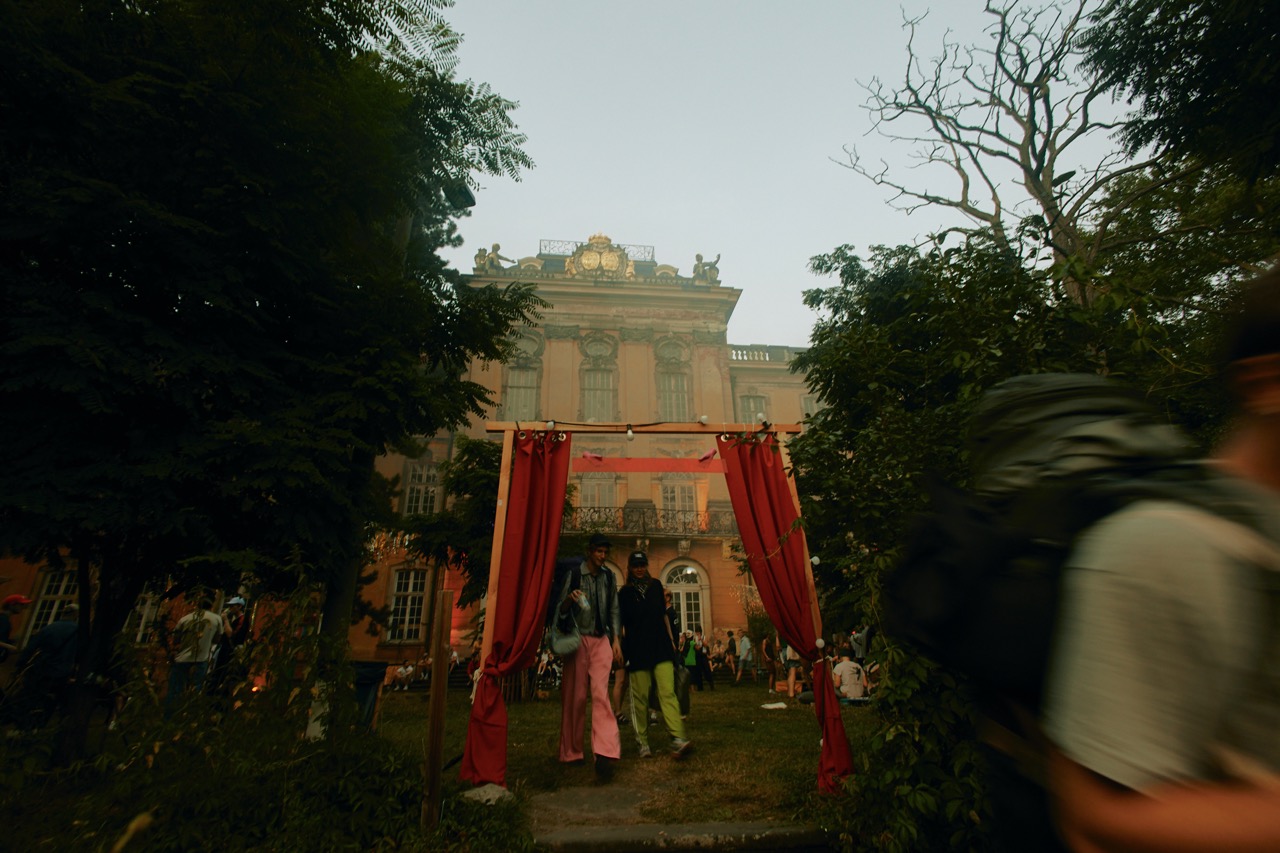
Festivals sell you the idea of freedom, only to shackle you with a wristband and confine you behind miles of fencing, where every drink, meal, and moment must be bought on their terms. Not Traumburg. Set within a forgotten castle, surrounded by overgrown gardens and a small lake inviting an afternoon swim, endless rooms and pathways inviting you to wander without a destination. You can pay with flowers (yes, you read that right) or your debit card (if you insist), you can bring your own poison and enjoy it wherever you please.
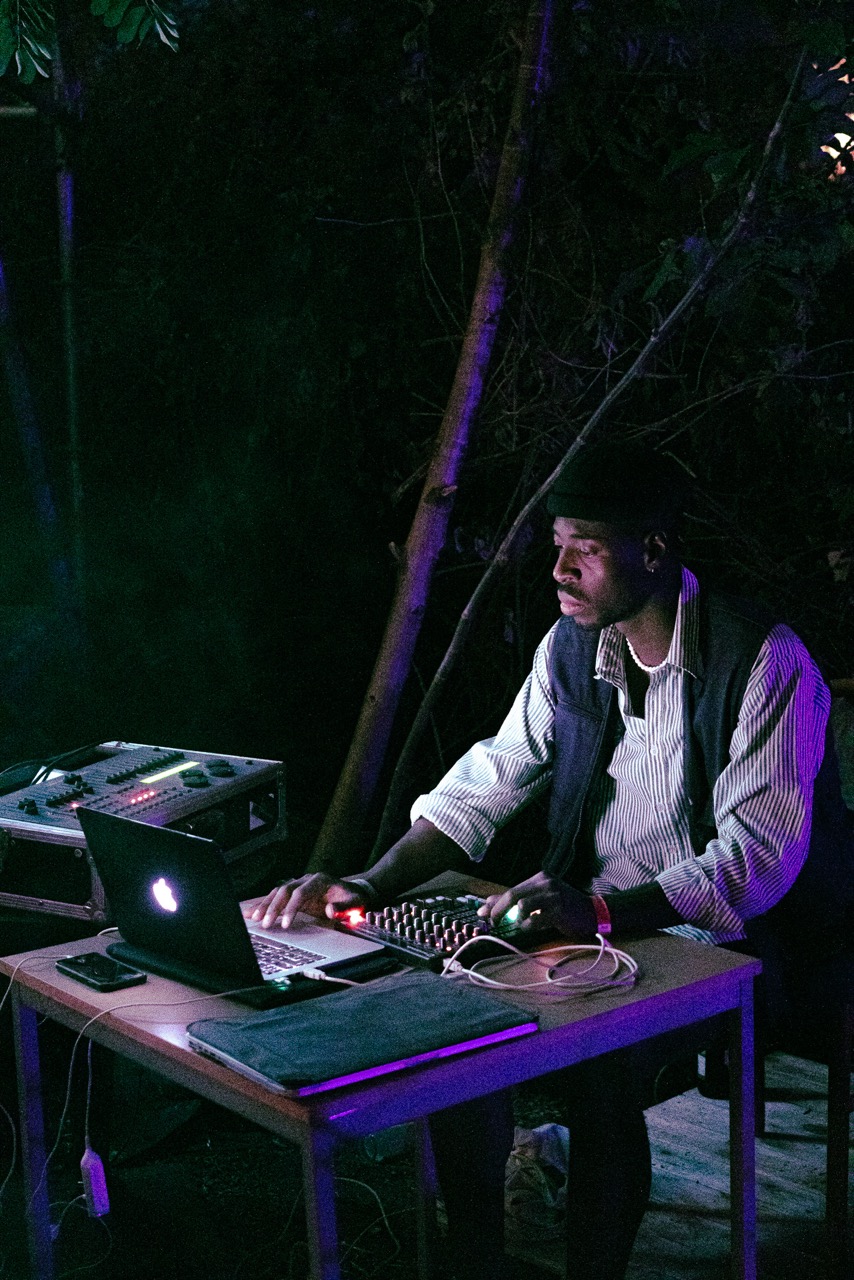
The magic of Traumburg isn’t only in the setting. It comes from a hands-off philosophy built around autonomy, spontaneity and trust. What began as fifty friends gathering in an abandoned castle after lockdown slowly accumulated into four days, more than eighty artists, installations, performances, workshops, music stretching from dusk until well after dawn – and still with that 50-people a lost-and-found German fairy-tale house party vibe. It still feels provisional, as though everyone has merely agreed, for a few days, to take care of the same beautiful accident.
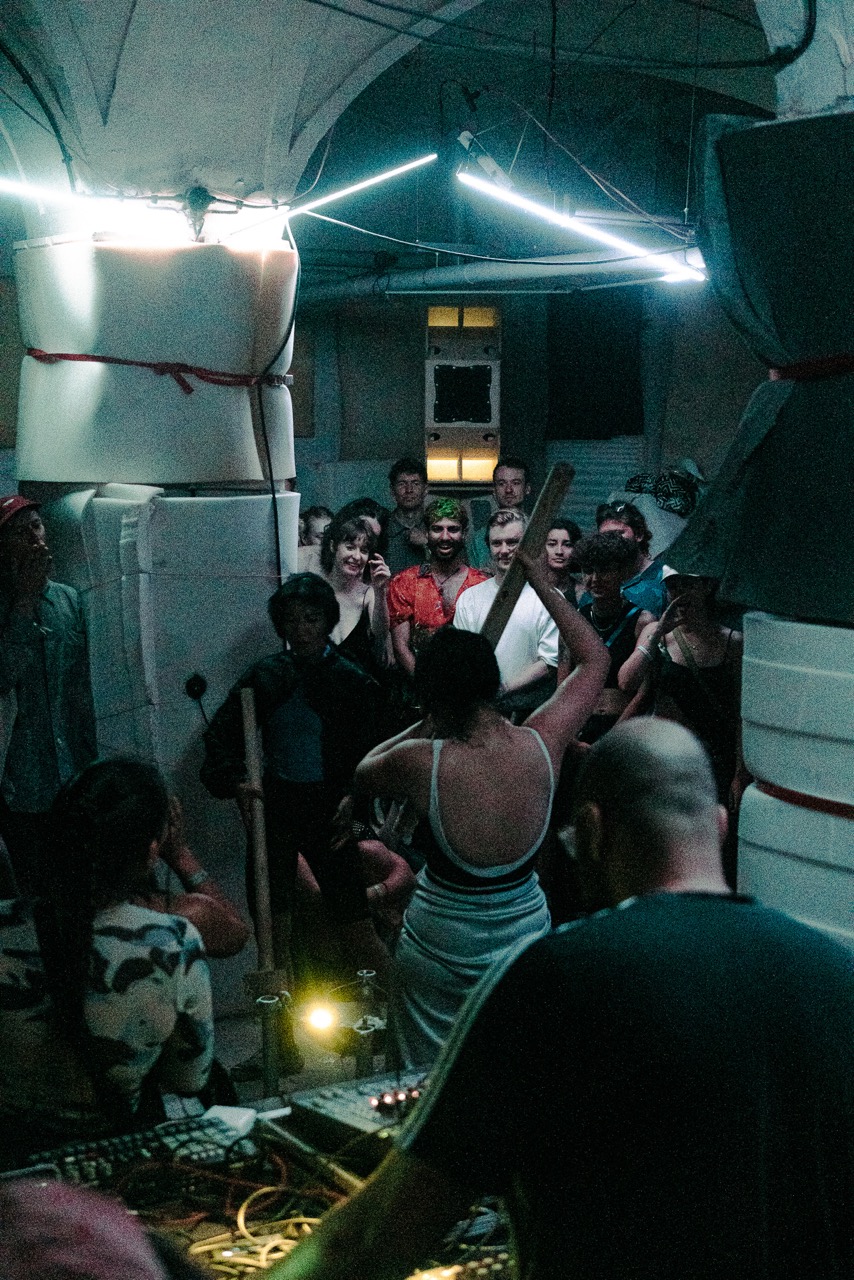
Their ethos is DIWO: Do It With Others – hence why everyone involved seems to exist somewhere between organiser, participant and friend. The line-up reflects that same mixture. Some artists on the line-up have been part of Traumburg since the beginning and now regularly play Berghain, alongside musicians you’ve probably never heard of. You can spend one night dancing until sunrise, then accidentally walk into an art performance involving somebody grinding rice to industrial techno in a cellar. Someone discovers an unused basement corridor, plugs in a controller, and in promptu there’s another dance floor… playful improvisation is allowed, encouraged, and makes it part of the charm.
That, of course, is exactly what makes it fragile. Traumburg has never relied on corporate sponsors or public funding. But castles aren’t free, and idealism doesn’t cover production costs (especially when they triple). Which leaves Traumburg facing the question haunting almost every independent cultural space right now: how do you preserve a way of making things together when survival increasingly depends on adopting the structures you were trying to avoid? We spoke to Lucas about why Traumburg matters, the challenges of keeping radical independence alive, and why you might want to visit while the gates are still open.
Say I’ve never heard of Traumburg. What’s the first thing you’d want me to experience?
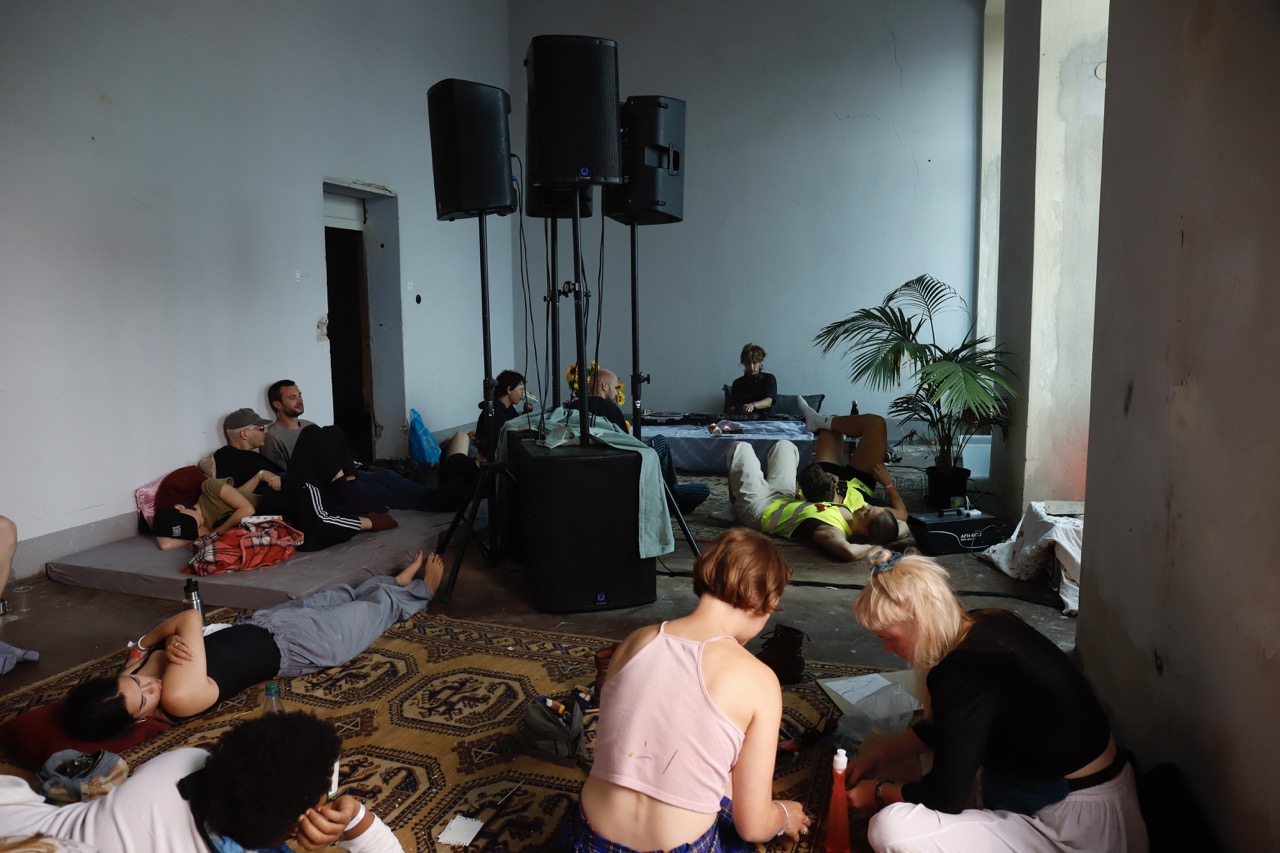
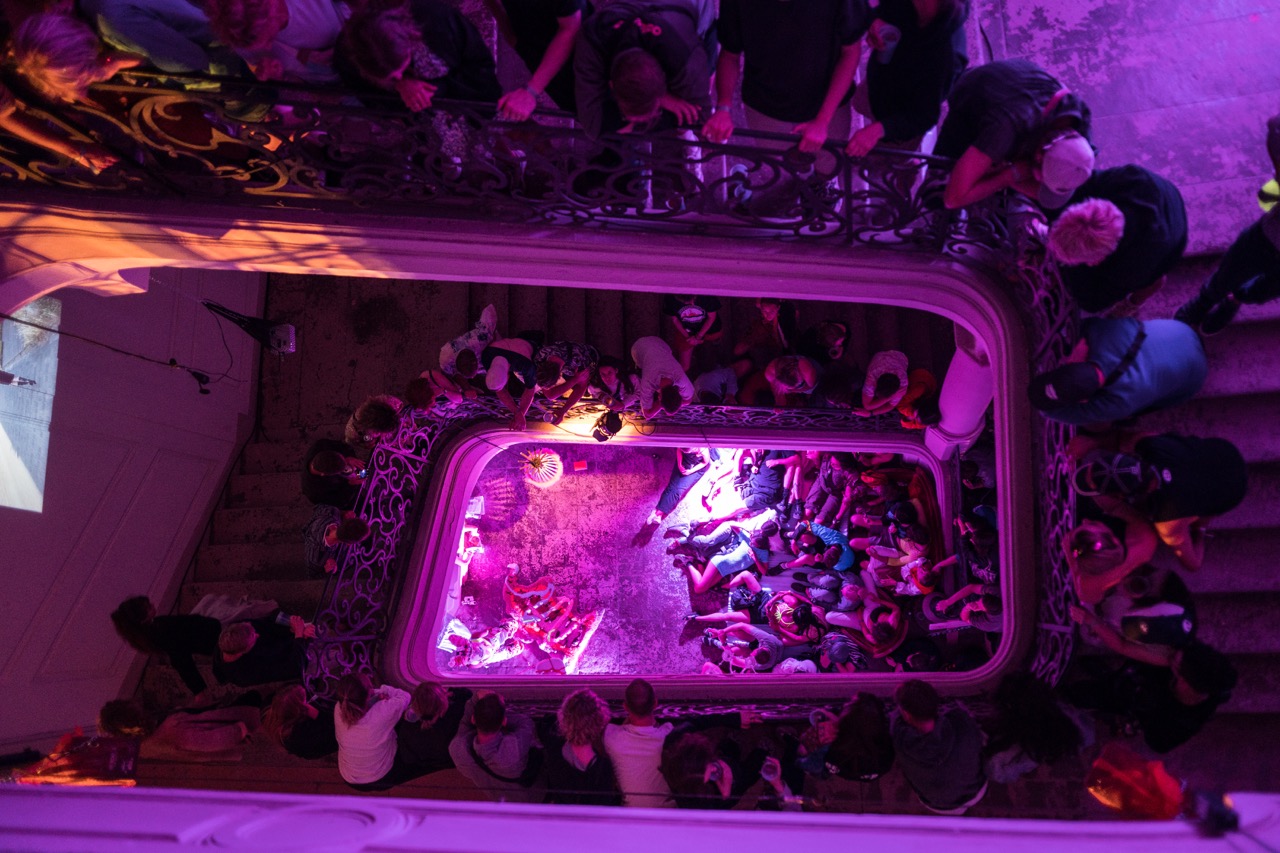
I’d walk you straight into the castle and then leave you alone for half an hour. Because Traumburg only really makes sense once you get lost: you follow a bassline down to the basement, stumble into an installation on the stairs, then end up in a quiet room where someone’s doing a listening session. At some point, you realise there is no “VIP”, just a lot of people who all decided to turn a forgotten castle in East Germany into a temporary magical experience made of sound, light, and art.
How did you end up with a castle?
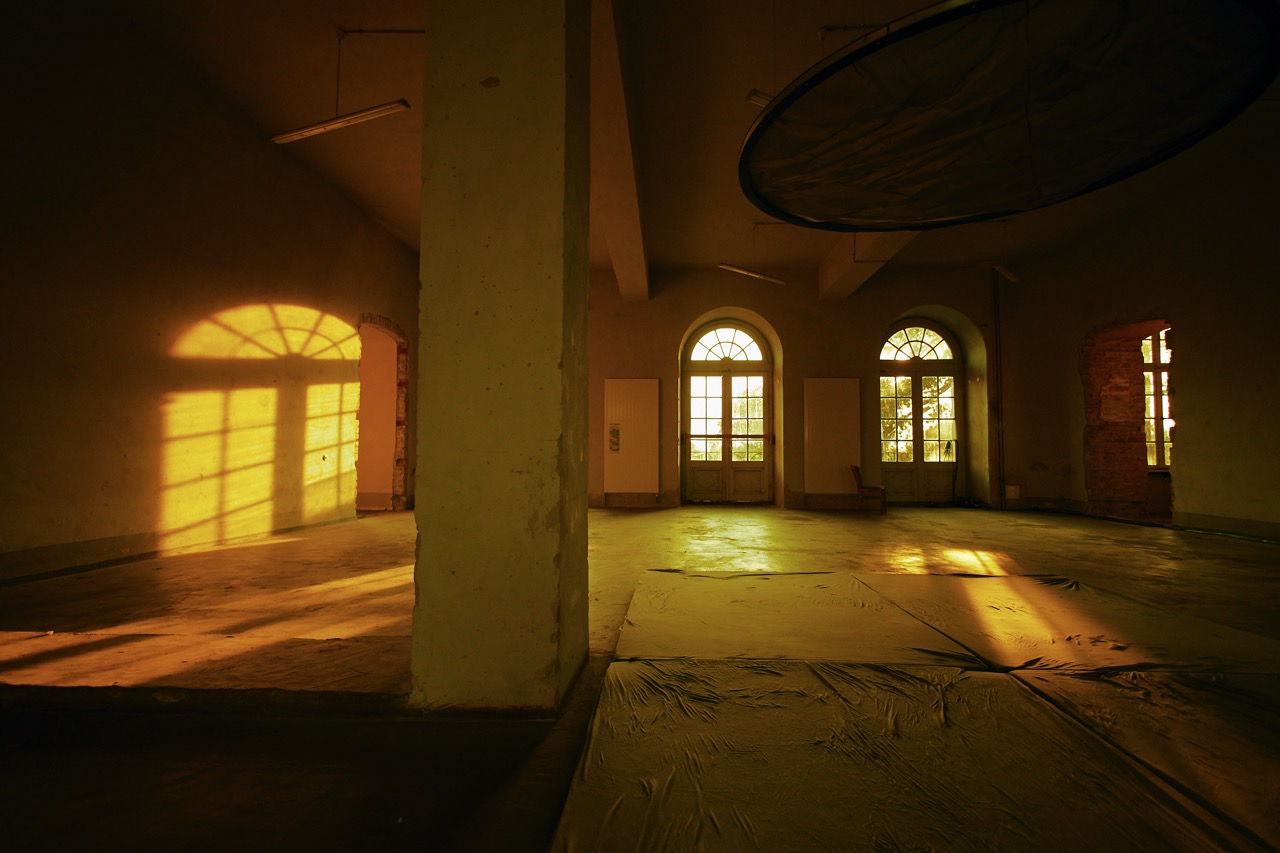
After the first lockdown, a group of friends scraped together money for a weekend somewhere off the radar, ideally not a club and not another “event location”. We found Schloss Dornburg: a mid‑century castle built for a queen who never moved in, sitting in rural Sachsen‑Anhalt with a lot of space and not much going on. Fifty or so people came, set up systems, a party tent, hung lights, used the garden hose as the shower, and slept in the castle that still smelled of plaster dust. Afterwards, we realised that this “party” had all the ingredients of a festival. So we didn’t actually plan any of it. We discovered a building that nobody else was using and kept coming back until it became Traumburg.
You prefer “Do It With Others” over DIY – what’s the difference?
“Do It With Others” starts from the assumption that none of this works by itself and that everyone on site has roughly the same status in the ecosystem. From the beginning, we had supporters who put in time, brought skills, and were treated as co‑authors rather than as their own group. A DIWO approach also means artists are invited as guests, not just as names on a poster. They play, but they also stay, attend other sets, help move stuff, and hang out in the yard. We also collaborate with other collectives to get new perspectives that shape Traumburg.
What’s something that happens at Traumburg that would never survive a corporate festival meeting?
The unauthorised basement corridor party is a good example. One of the collectives found a tunnel‑like space, brought in small speakers and a controller, and started an off‑program rave because the vibe demanded it. In a corporate setting, things like that disappear very quickly. At Traumburg, we deliberately keep room for those decisions on the fly. They’re not a side effect; they’re part of what defines the event. And that goes not only for the program, like random pop-up floors, but for decorations, installations, and everything else.
What’s one thing Traumburg will never become?
We’re not interested in tailoring line‑ups and spaces purely around what sells easiest. If the main decisions are made by marketing logic rather than by curiosity and trust, we’ve taken a wrong turn.
You let people bring their own drinks, and let them consume them anywhere on the premises. Why?
We refuse to turn joy into a luxury add‑on. Our ticket price is now around 200 euros for four days, a figure we never imagined when we started, and we’re very aware that this is a lot of money for many people. But we keep camping free, water free, and bar prices as low as we can. Letting people bring their own drinks and food follows the same logic: it keeps the atmosphere closer to a large house party than a gated consumption zone. We hope we can keep it that way.
What’s one thing you don’t compromise on?
Who gets to be there. We can adjust many things, like timelines, production levels, even formats, but we don’t want a situation where only a certain income bracket or lifestyle can afford the festival. That’s why there are no VIP areas, why camping and water stay free, and why we accept that breaking even in the end is a success. We’d rather continue like that than filter out the people who built this culture.
If Traumburg disappeared, what would actually be lost?
You’d lose a working proof that a different way of organising nightlife is still possible. Traumburg grew from fifty friends after the first lockdown into an international art and music festival with hundreds of guests and over eighty artists, all without sponsors, public funding, or salaries for the crew. If it disappears, a piece of independent culture goes with it. It would be another clear sign that the economic and regulatory conditions for this kind of organising are closing in, and that spaces built on trust and stubbornness rather than capital are getting harder to sustain.
What’s your favourite memory of Traumburg?
Mine is the last day of our 2024 edition. Somehow, our whole core crew of about 30 people ended up together on the Garden Floor while Camilla Rae was playing her closing set. Everywhere you looked, every face had a huge grin. We were dancing together, lying in each other’s arms, crying from pure joy at what we had accomplished. As the last hours faded, that was the moment that stayed with me most.
What are you looking forward to most at Traumburg this year?
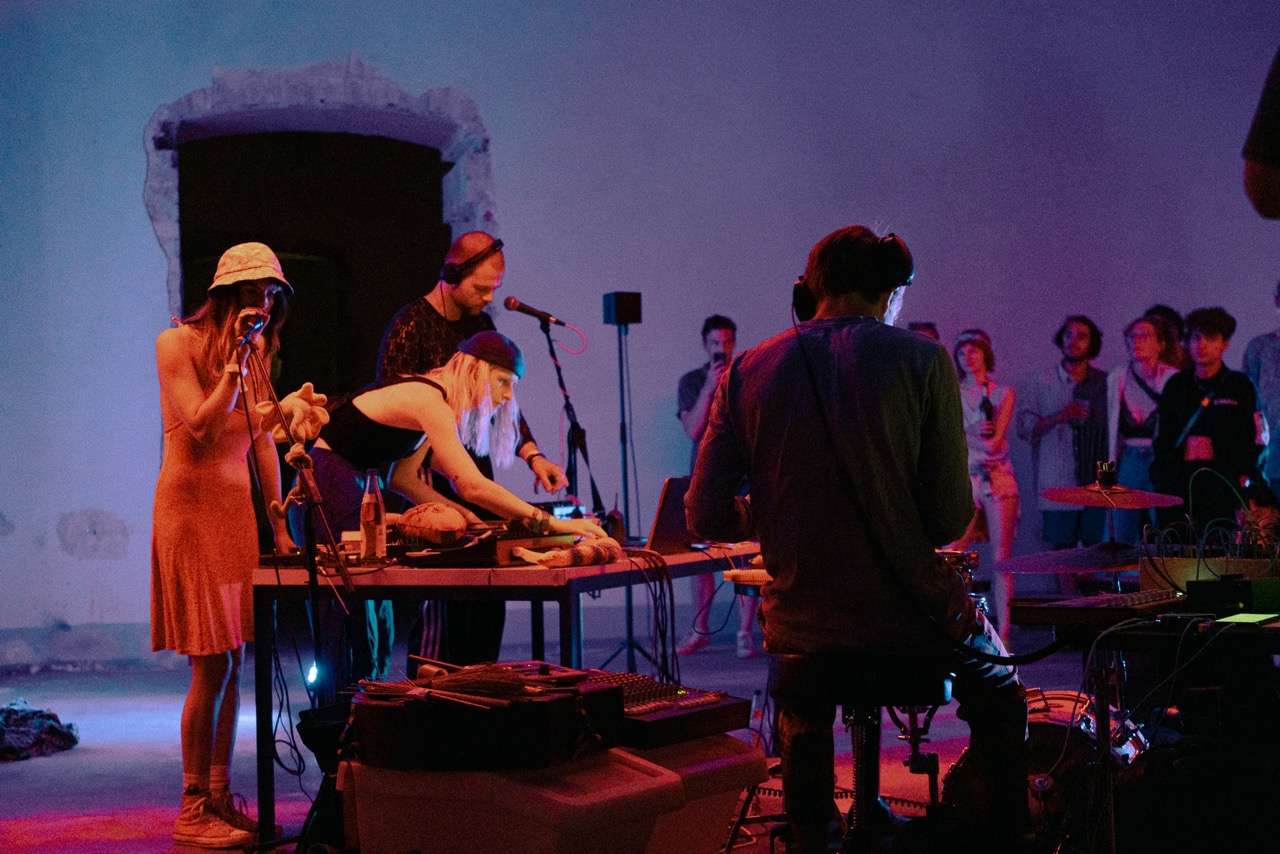
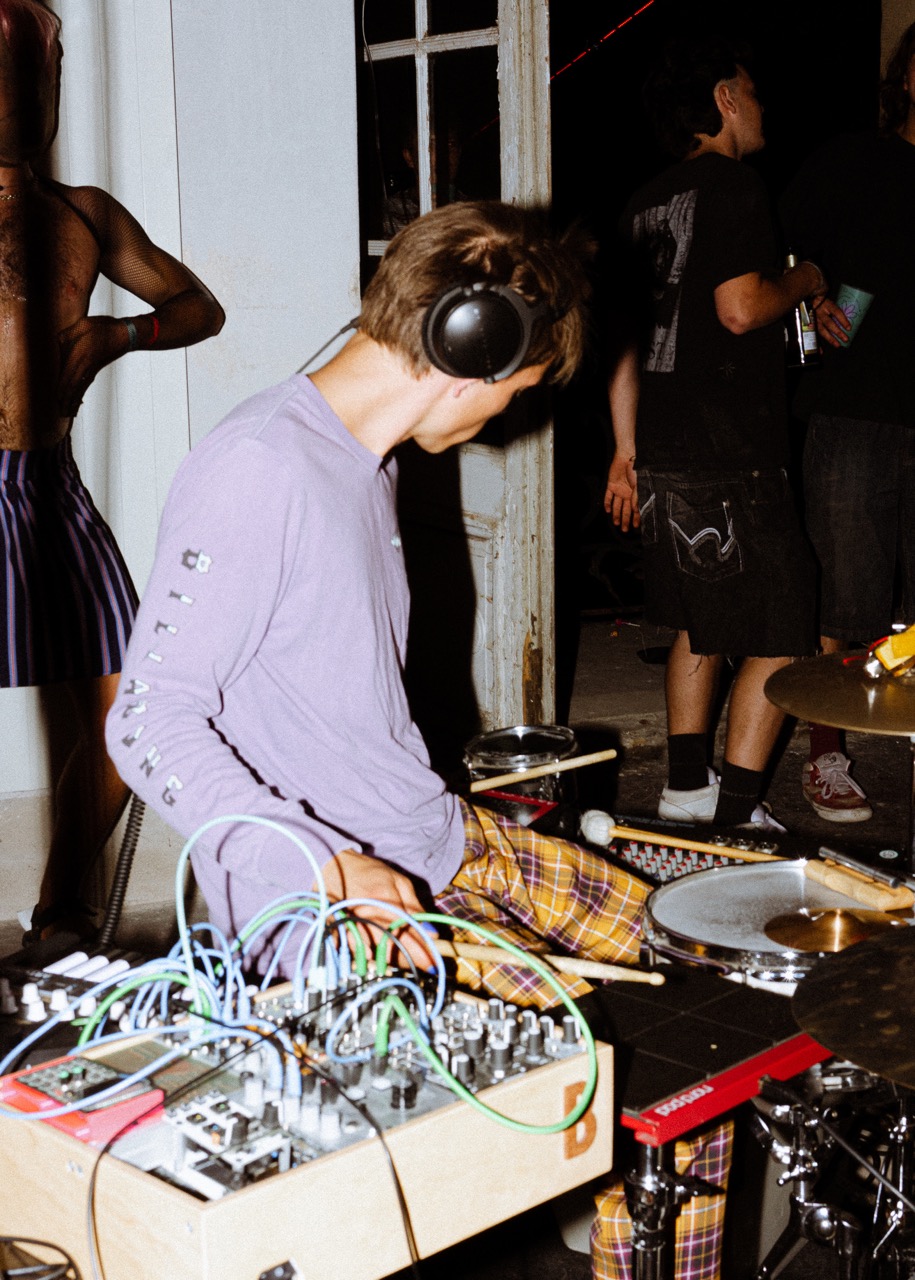
The diversity of our program this year. With over 80 artists, the lineup is ambitious not only in scale but also in its range of artistic expression. Alongside electronic music acts such as Bennet, Camilla Rae, Nikos, and RDS, guests can experience immersive installations, performances, and a wide array of workshops across four floors. Highlights include fusion jazz from Berlin, a site-specific club opera, a hands-on workshop creating electronic instrument sculptures from found materials, and even a 90s gabber MC improv session, to give you small glimpse.
The current edition runs from July 30 to August 2.
Get your tickets here or risk losing out forever.