From fragmented supply chains and diasporic storytelling to inflatable couture and algorithmic textiles, the Arnhem Biennale turns fashion into a lens on the systems shaping contemporary life
Every year, fashion asks to be looked at again. Beyond the runway images and finished garments, there are the systems shaping the industry from behind the scenes — labour, production, technology, identity, supply chains. State of Fashion returns to Arnhem this year as a much-needed space to question those structures and expose the mechanisms that keep fashion operating the way it does. Through installations, screenings, performances, talks, and workshops, the Biennale turns fashion into continuous social commentary rather than a glossy image.
This year’s programme brings together designers, artists, and collectives who challenge how fashion is made, who gets represented within it, and what kinds of futures it can still imagine. From experimental textile machines and inflatable handmade silhouettes to documentaries on diasporic identity and projects exposing global production chains, these are the voices worth paying attention to, and must-see attendance programme highlights.
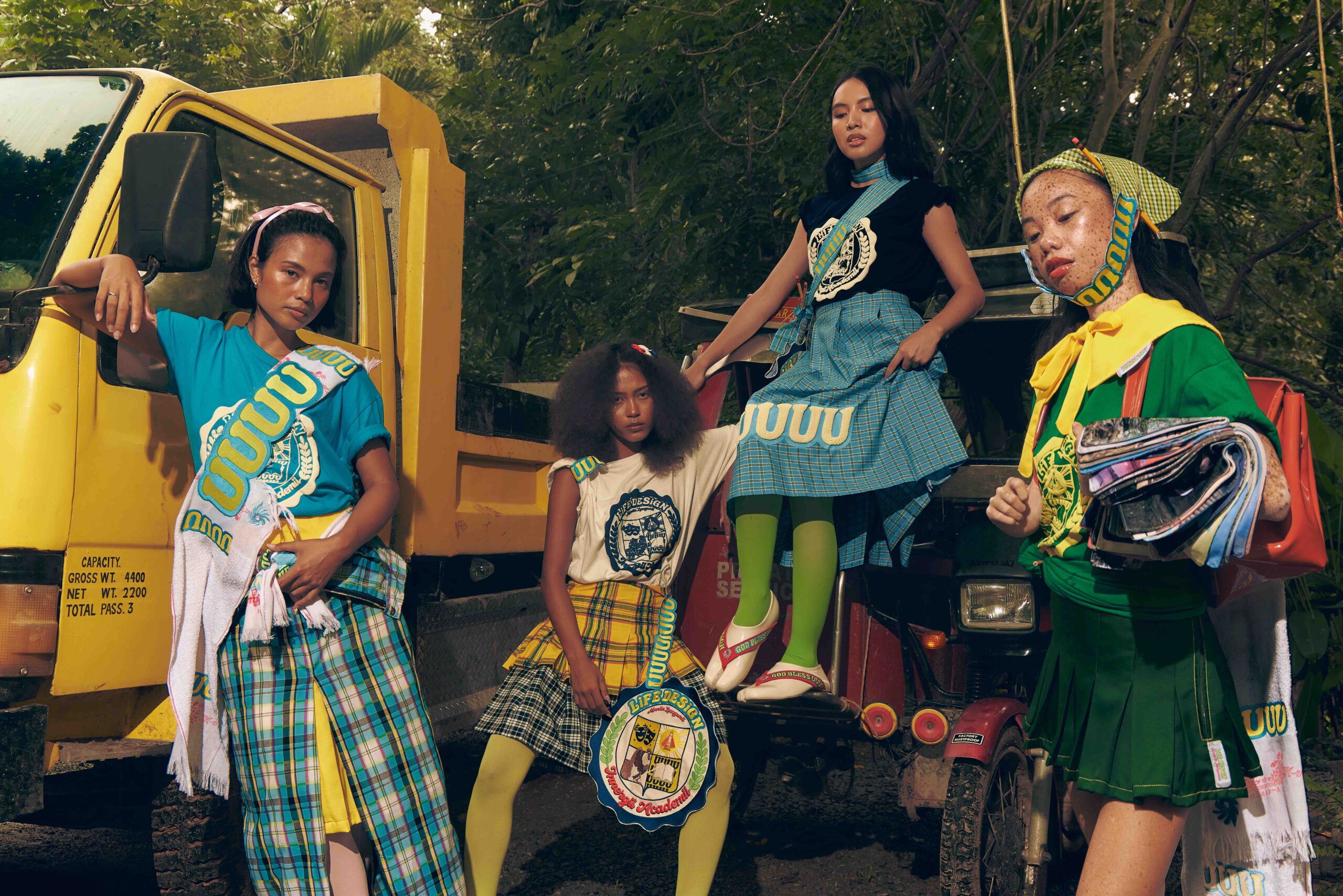
Image by LiFE DESiGN
LiFE DESiGN’s documentary screening
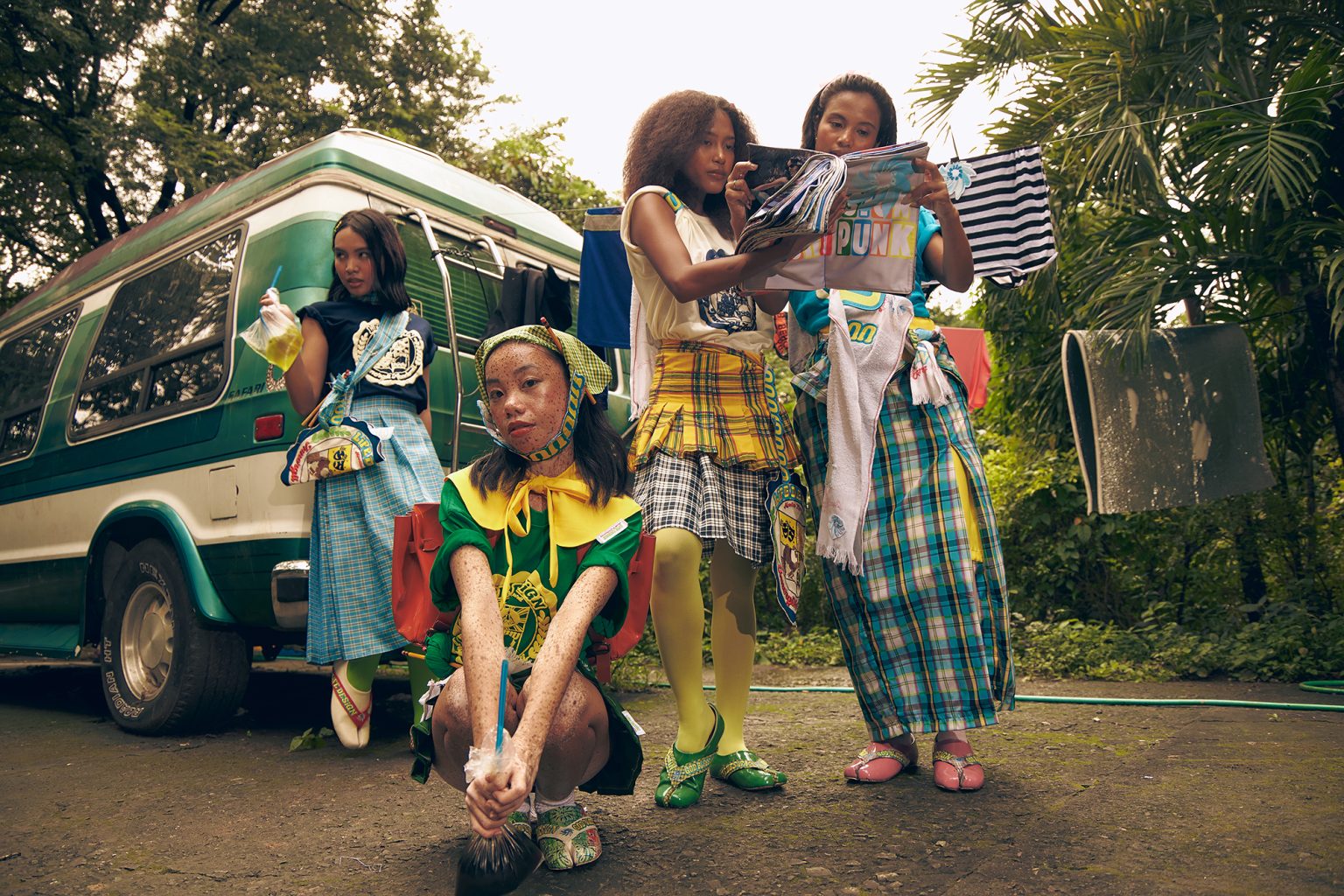
Long before releasing a single garment, Filipino collective LiFE DESiGN had already built a cult following through imagery, storytelling, and a fiercely independent creative language. Their work exists somewhere between fashion label, cultural archive, and internet mythology — charged with the kind of experimentation the industry desperately needs more of. At State of Fashion, they will screen the second chapter of their documentary project, tracing the evolution of the brand alongside questions of diasporic identity, community, and self-definition. They will also present their debut collection, DRESSMAKER, which draws heavily from the Philippine educational system and the idea of continuous learning. The designers themselves will also be present for conversations around the work, making this less of a passive screening and more of an open exchange on authorship, representation, and building creative ecosystems outside Western fashion capitals.
Martine Rose & International Magic’s virtual show
Few designers have reshaped contemporary menswear as slyly and as decisively as Martine Rose. For nearly two decades, the London-based British-Jamaican designer has built collections that absorb subculture, music, tailoring, workwear, and street life into silhouettes that feel slightly “off” in exactly the right way. Her influence now stretches far beyond her own label, but what continues to make her work resonate is its authenticity: clothing grounded in people, not trends.
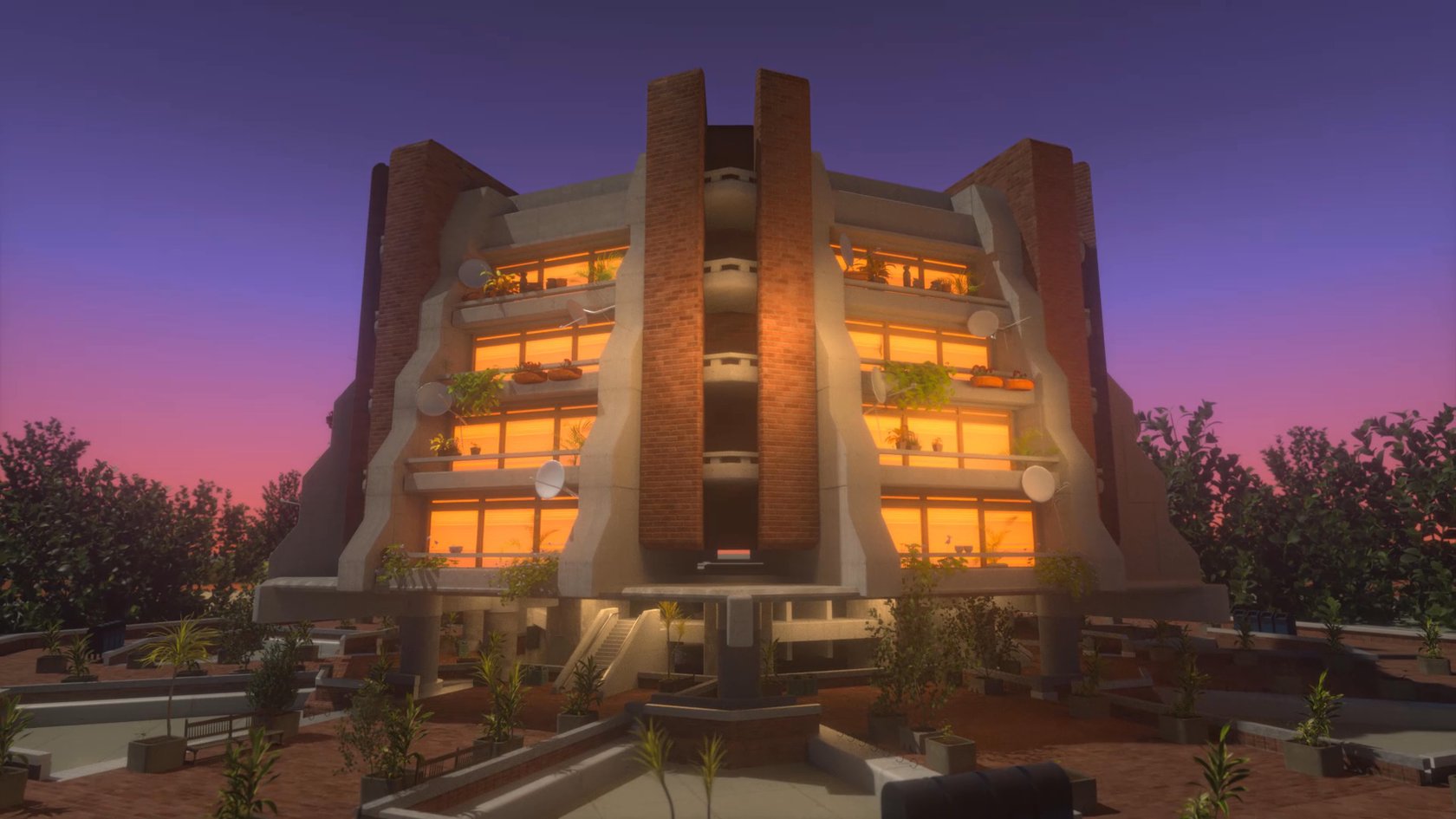
At State of Fashion, Rose & International Magic present What We Do All Day, the digital fashion film originally created for her SS21 collection during the COVID lockdowns in collaboration with International Magic. More than a substitute for a runway, the project became a document of collective emotional atmosphere — capturing isolation, boredom, domesticity, and intimacy in a world temporarily stripped of public life. In a biennale centered on hidden systems, Rose’s film reminds us that fashion is also shaped by invisible emotional climates: the moods, tensions, and realities people carry into their clothes every day.
A.A.Murakami’s live textile installation
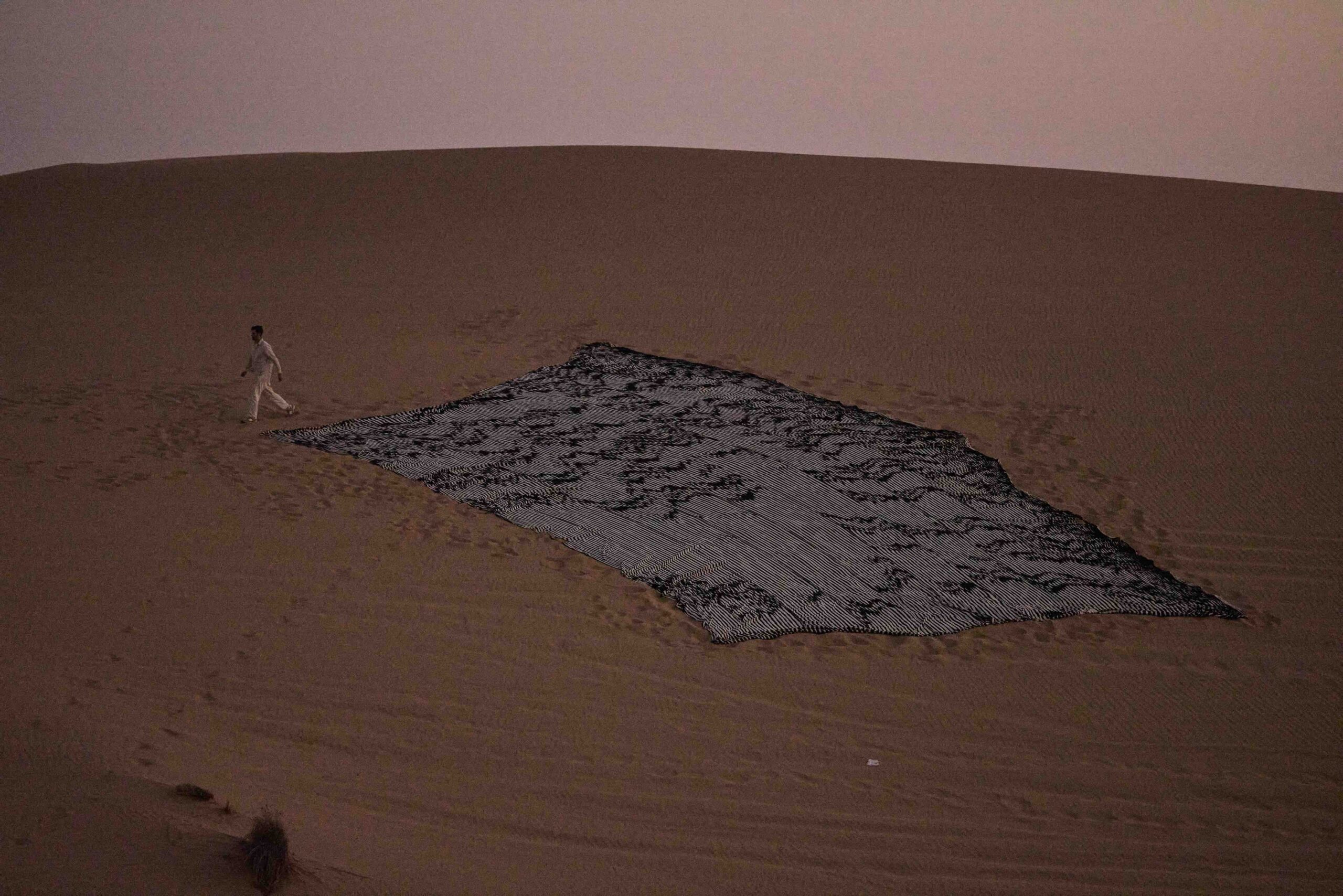
Formed by Alexander Groves and Azusa Murakami, A.A.Murakami creates immersive installations that merge technology, atmosphere, biology, and speculative design into environments that feel simultaneously ancient and futuristic. Now, they present an evolving live textile performance centered around an autonomous “knitting clam” — a machine inspired by the mechanics of the Japanese Asari clam. Visitors generate coded patterns that are translated directly into knitted panels, gradually accumulating into a large collective tapestry over the course of the exhibition. The result is both playful and unsettling: a meditation on authorship and automation, and the increasingly blurred boundary between craft and algorithm.
MSCHF’s story of their “Frankenstein” handbag
No collective understands the absurd theatre of consumer culture quite like MSCHF. Since emerging in 2016, the Brooklyn-based group has turned viral interventions into a form of institutional critique, using the language of hype, branding, and internet spectacle against itself. Their contribution to State of Fashion, Global Supply Chain Telephone, follows the production of a handbag across factories in Peru, Portugal, India, and China. Each manufacturer receives prompts and references before passing the object onto the next, creating what eventually becomes a kind of “Frankenstein” luxury bag assembled through fragmented authorship. The handbag becomes evidence of how creativity itself is often outsourced, divided, anonymised, and hidden behind singular designer names. It’s one of the clearest articulations in the biennale of the exhibition’s central question: who actually makes fashion possible?
HARRI’s gravity-defying garment-sculptures
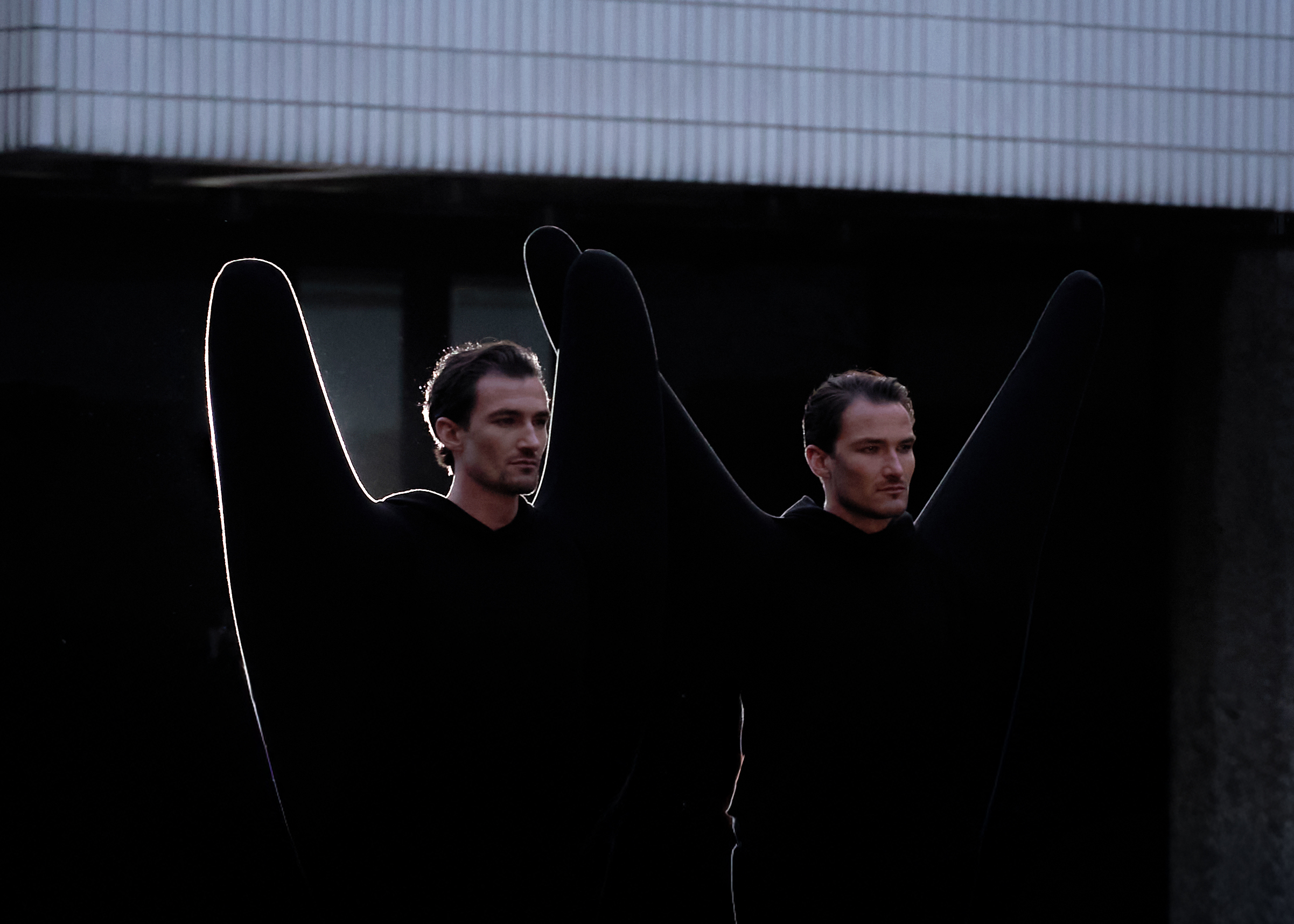
If you’ve spent any time online over the past few years (or are lucky to have a copy of our ANIMA issue), chances are you’ve already come across HARRI’s impossible-looking inflatable silhouettes. Known for sculptural latex garments that inflate and distort the human silhouette into almost cartoonish proportions, the London-based designer has built a practice that feels closer to performance art than traditional fashion design. At State of Fashion, HARRI presents three looks from his first ready-to-wear collection that foreground the labour and craftsmanship behind the spectacle. Beneath the inflated forms lies an intensely physical process: every latex piece is cut, glued, and assembled entirely by hand, as machines aren’t capable of handling the material’s elasticity or sensitivity. HARRI draws from bodybuilding culture, global craft traditions, and ideas of transformation through the body itself. Woodturning techniques from India, latex production from Sri Lanka, and tailoring traditions from Scotland all converge within garments that challenge normative ideas of beauty and proportion.
Penultimate’s latest collection presentation
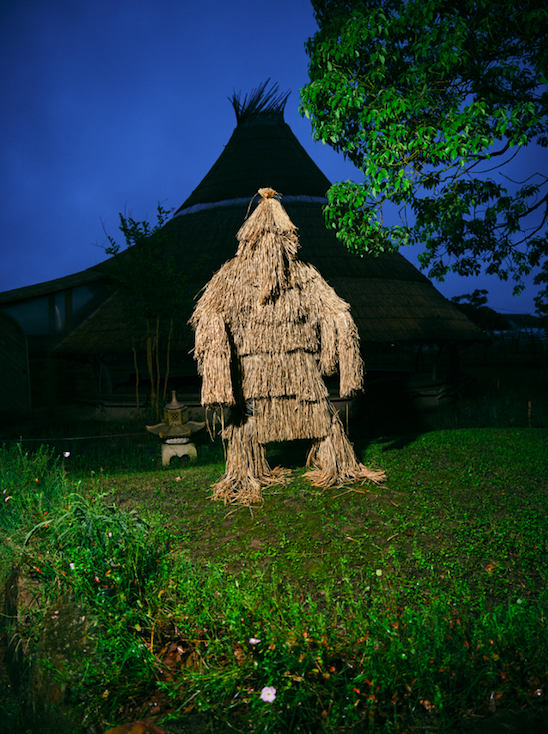
Designed by Xiang Gao, Penultimate uses fashion as a ground for personal mythology. Rooted in both Chinese heritage and the designer’s experiences living in America, the project draws heavily from the wearable art movements of the 1970s. For Spring/Summer 2026, Penultimate presents Heart Land, a collection reflecting on labour, agriculture, and the body’s relationship to the earth. Inspired by classical Chinese poetry describing farmers working beneath the burning sun, the collection features tie-dyed fabrics that radiate like heat and sunlight, reconstructed jerseys, and raffia and jacquard textiles that evoke irrigation systems, rivers, and cultivated land. The final scarecrow look — constructed entirely from raffia — becomes the emotional centre of the collection. Suspended somewhere between guardian, worker, and mythological figure, it embodies the exhibition’s wider concerns with labour that remains visible yet rarely acknowledged.
Explore the full programme here
Words by Evita Shrestha
Images Courtesy of the Artist